Category: Cryptocurrency Regulation - Page 2

Namibia Banking Restrictions on Crypto Transactions: What You Need to Know in 2025
Namibia allows licensed crypto businesses but blocks individuals from using them. Banks freeze accounts, provisional licenses delay access, and crypto remains technically illegal despite new laws. Here's what's really happening in 2025.
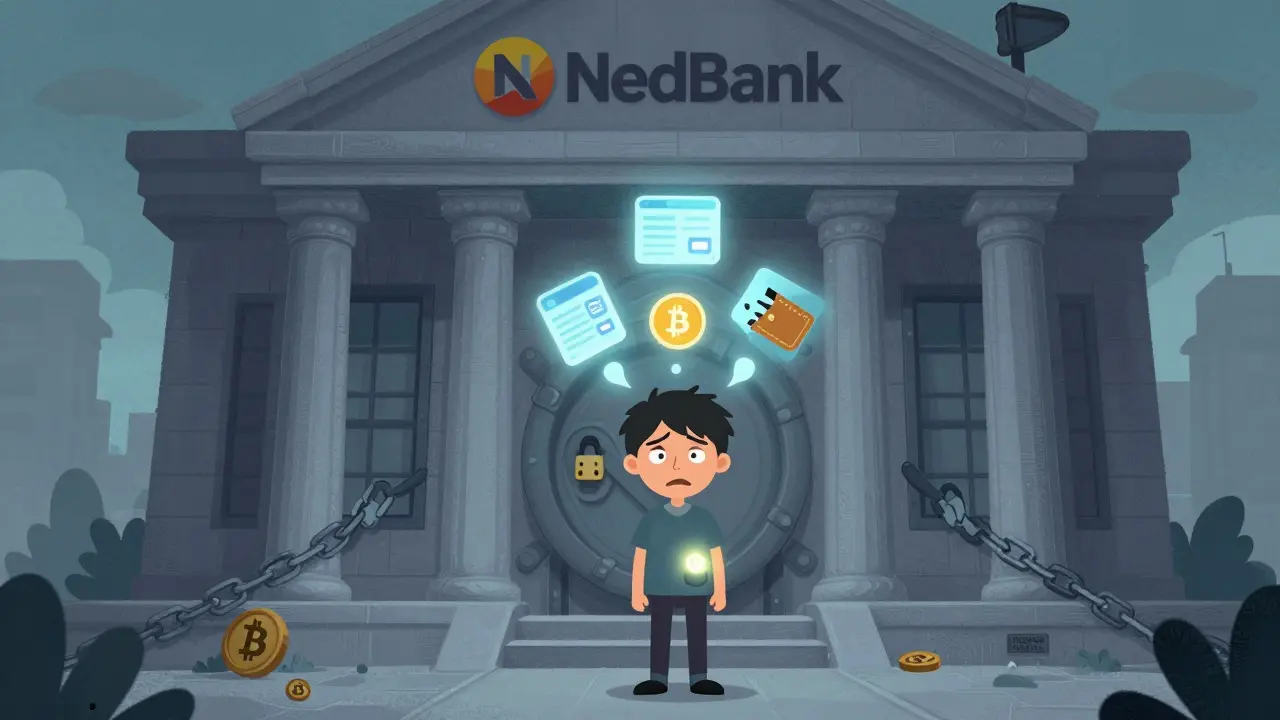
Namibia Banking Restrictions on Crypto Transactions: What You Need to Know in 2025
Namibia's banking system restricts crypto transactions despite the 2023 Virtual Assets Act. Banks freeze accounts, no licensed exchanges operate, and individuals face legal uncertainty. Here's what you need to know in 2025.

VPN Usage for Crypto Access in China: Legal Risks in 2025
Using a VPN to access crypto in China is illegal and risky in 2025. The government bans all private crypto activity, and VPN use to bypass restrictions can lead to fines, account freezes, or criminal charges.
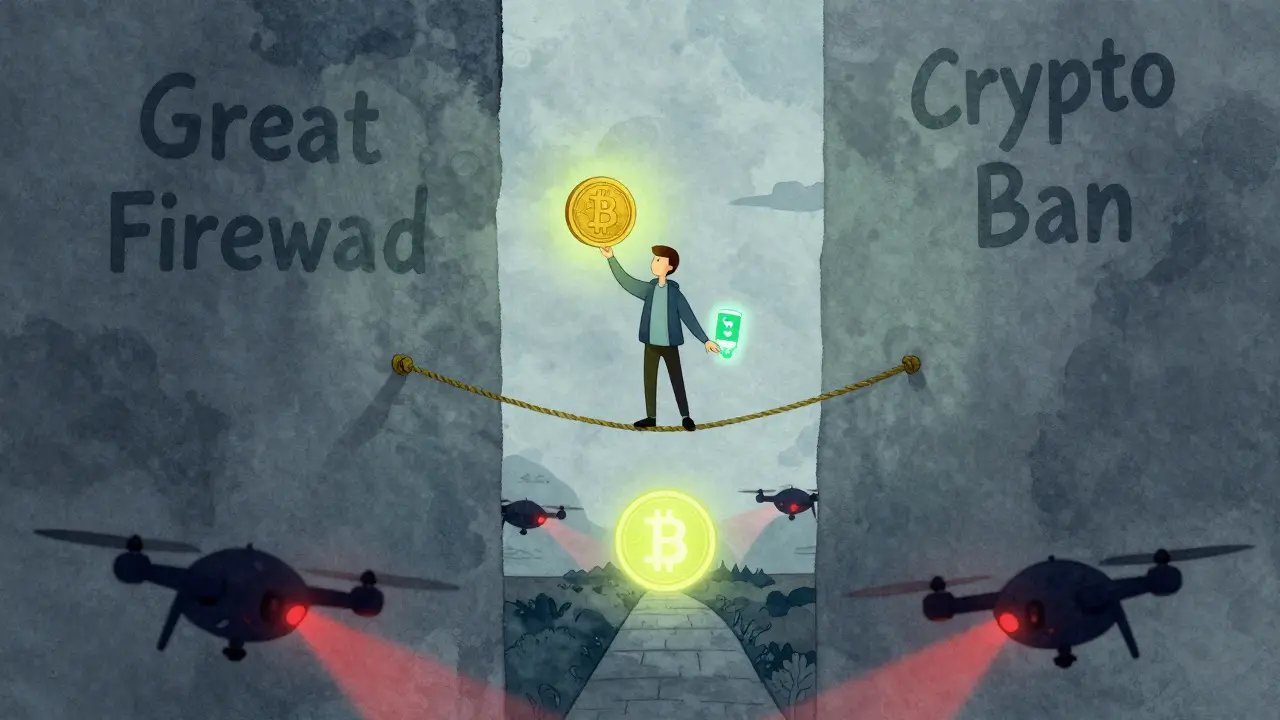
VPN Usage for Crypto Access in China: Legal Risks in 2025
In 2025, China bans all private cryptocurrency use. Using a VPN to access crypto exchanges like Binance is illegal and risky. Authorities actively block VPNs, monitor transactions, and confiscate assets. The digital yuan is the only legal alternative.

Bitcoin and Ethereum ETF Approvals in the US: What Changed and What It Means for Investors
The U.S. approved spot Bitcoin and Ethereum ETFs in 2024, marking a turning point for crypto in mainstream finance. With in-kind trading now allowed, institutional adoption is surging-and fees, yields, and regulations are evolving fast.

Real-Name Bank Accounts for Crypto Trading in South Korea: How It Works and Who Can Use It
South Korea requires real-name bank accounts for crypto trading, linking every transaction to your ID. Only citizens with local bank accounts can trade legally. Foreigners face near-impossible barriers. Here's how it works and who can actually use it.

DEX Access for Iranian Citizens: How to Use Decentralized Exchanges Despite Restrictions
Iranian citizens are turning to decentralized exchanges like Uniswap and SushiSwap on Polygon to bypass government restrictions and frozen funds. Learn how DEXs work, why DAI is replacing USDT, and how to stay safe under strict surveillance.

Japanese Tax on Cryptocurrency: Up to 55% and What’s Changing in 2026
Japan once taxed crypto gains at up to 55%, making it one of the world’s harshest regimes. By 2026, a new flat 20% rate will replace it-aligning crypto with stocks and reversing years of investor flight.

Benefits of KYC for Compliance in Blockchain and Crypto Finance
KYC compliance in blockchain ensures secure, legal crypto transactions by verifying user identities. It prevents fraud, avoids massive fines, builds user trust, and unlocks banking access-all while adapting with AI and biometrics.
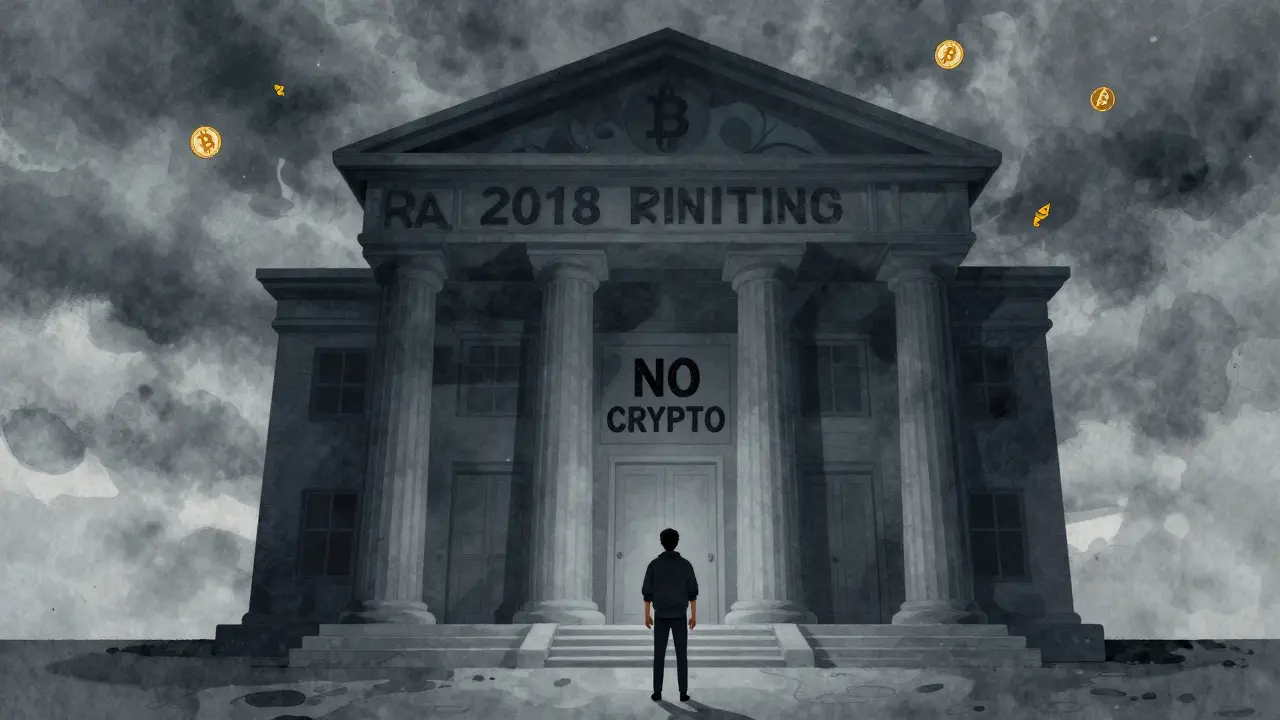
RBI Banking Ban Reversal: What Changed for Crypto in India After the Supreme Court Ruling
The RBI's 2018 crypto banking ban was overturned by India's Supreme Court in 2020, reopening access to banks for crypto exchanges. Here's what changed - and what still hasn't.
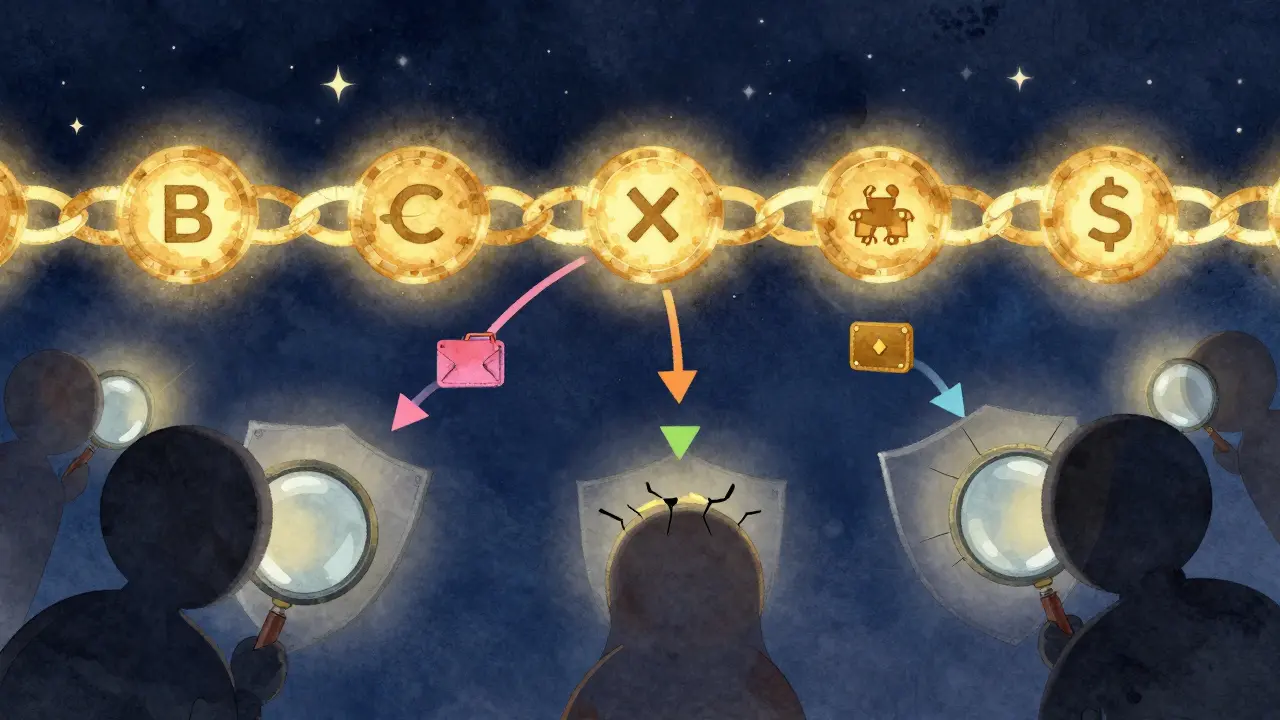
How Authorities Use Blockchain Forensics to Detect Crypto Sanctions Evasion
Authorities use blockchain forensics to trace crypto transactions, detect sanctions evasion, and freeze illicit funds. Tools now identify complex laundering patterns across chains, making crypto less anonymous than ever.

Is Crypto Regulated in Russia? What You Need to Know About Legal Restrictions and Current Rules
Russia allows crypto ownership and mining but bans domestic spending. Only ultra-wealthy investors can trade legally. Most Russians use foreign platforms. Crypto is used for international trade to bypass sanctions.