Cryptocurrency Regulation: What You Need to Know
When working with Cryptocurrency Regulation, the set of laws, guidelines and tax rules that govern digital assets. Also known as crypto compliance, it determines how traders, miners and businesses operate in a legal environment that changes fast.
One of the biggest drivers today is the Travel Rule, an EU‑wide requirement that forces crypto firms to collect and share full transaction data for every transfer. This rule connects directly to Cryptocurrency Regulation because platforms must build AML systems that can handle a zero‑threshold data load. Another hot topic is Stablecoin, digital tokens pegged to fiat or commodities that need clear classification as securities or commodities. The way regulators label stablecoins shapes the rules around reserve disclosures and consumer protection.
Key Areas Shaping the Landscape
Regulators also keep a close eye on FBAR, the foreign bank and financial accounts report that US taxpayers must file for overseas crypto holdings. Failure to file can trigger $100,000 penalties, so compliance teams treat FBAR as a non‑negotiable line item in their risk checklists. Meanwhile, Capital Gains Tax, the tax on profit from selling crypto assets varies wildly by jurisdiction, turning some countries into crypto havens while others impose steep rates. Understanding these tax nuances helps investors decide where to set up legal entities or hold tokens.
Putting it together, Cryptocurrency Regulation encompasses Travel Rule compliance, Stablecoin classification, FBAR reporting, and Capital Gains Tax planning. It requires tools like on‑chain analytics, KYC platforms and tax calculators. At the same time, each of those sub‑areas influences the broader regulatory outlook – for example, stricter Travel Rule enforcement pushes firms to upgrade AML tech, which in turn raises the bar for FBAR accuracy.
Below you’ll find a curated set of articles that break down these topics in depth. From the 2025 CLARITY and GENIUS Acts in the US to how Singapore avoids capital gains tax, the guides give you actionable steps, real‑world examples and a clear picture of what to expect next in the ever‑evolving world of crypto rules.
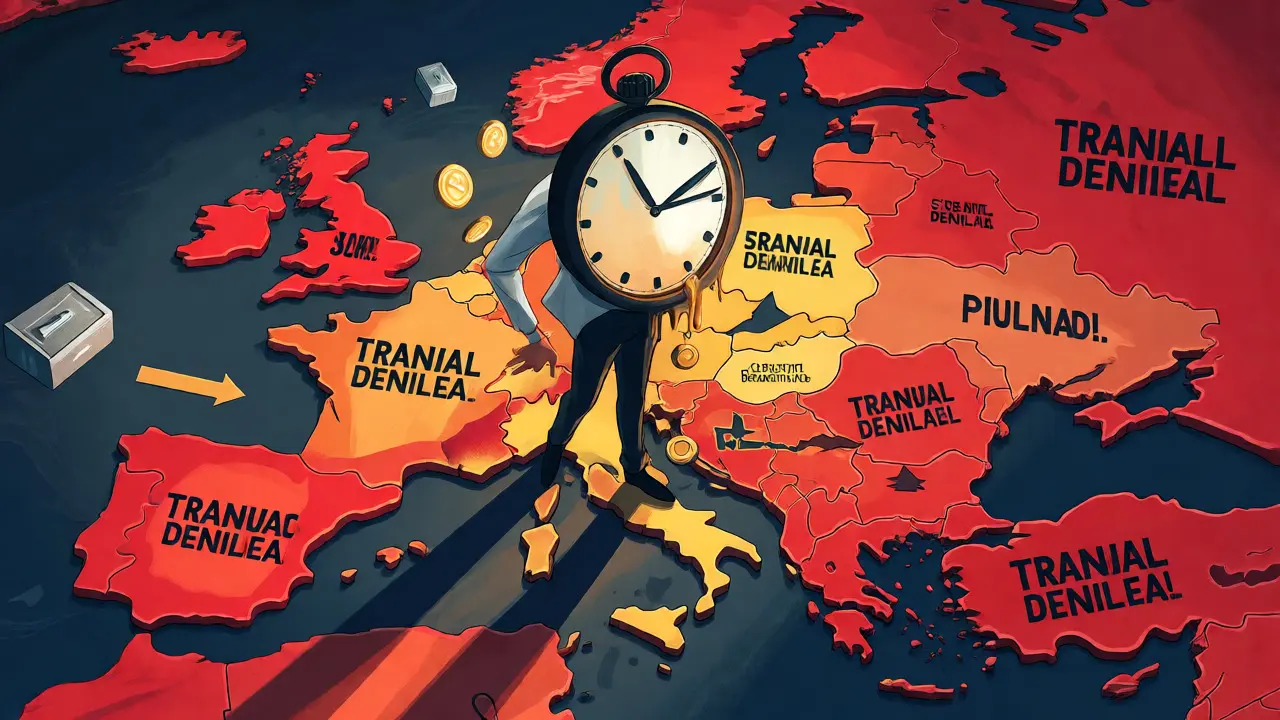
MiCA Transition Periods: A Survival Guide for EU Crypto Businesses
Navigate the complex web of MiCA transition periods across EU member states. Learn why passporting rights matter and how to survive expiring deadlines.

FSA Crypto Oversight in Japan: Strict Compliance Explained
Explore how Japan's FSA enforces strict crypto compliance through the FIEA and PSA. Learn about cold storage mandates, tax reforms, and the impact of 2025 regulatory shifts on investors and exchanges.

UAE Crypto Hub: Regulations, Licensing & Tax Benefits in 2026
Discover why the UAE is the top global crypto hub in 2026. Learn about VARA licensing, tax benefits, and regulatory clarity for blockchain businesses.

Crypto Exchange Restrictions for Iranian Citizens: 2026 Guide
Iranian citizens face severe crypto restrictions in 2026, including trading hour bans, USDT freezes, and new taxes. Learn how users adapt.

Legal Penalties for Crypto Trading in Bolivia: 2026 Guide
Learn about the current legal penalties for crypto trading in Bolivia after the 2024 ban lift. Discover how to stay compliant with BCB regulations, avoid fines, and manage tax obligations for stablecoin and Bitcoin activities.

Brazil Crypto Regulations 2026: Consumer Protection & VASP Rules
Brazil's crypto landscape has changed with the BVAL and BCB licensing. Learn how new regulations protect your assets and what VASP rules mean for your trading in 2026.

Mining Crypto in Iran: Legal Status, Restrictions & Risks (2026)
Discover the legal status, energy costs, and hidden risks of crypto mining in Iran in 2026. Learn how to navigate CBI licensing and compete with state-backed IRGC operations.

Innovation vs Protection: How 2025 Crypto Regulation Changed the Game
Explore how 2025 US crypto regulation shifted from enforcement to clarity. Learn about the GENIUS Act, CLARITY Act, and what this means for innovation and investor protection.
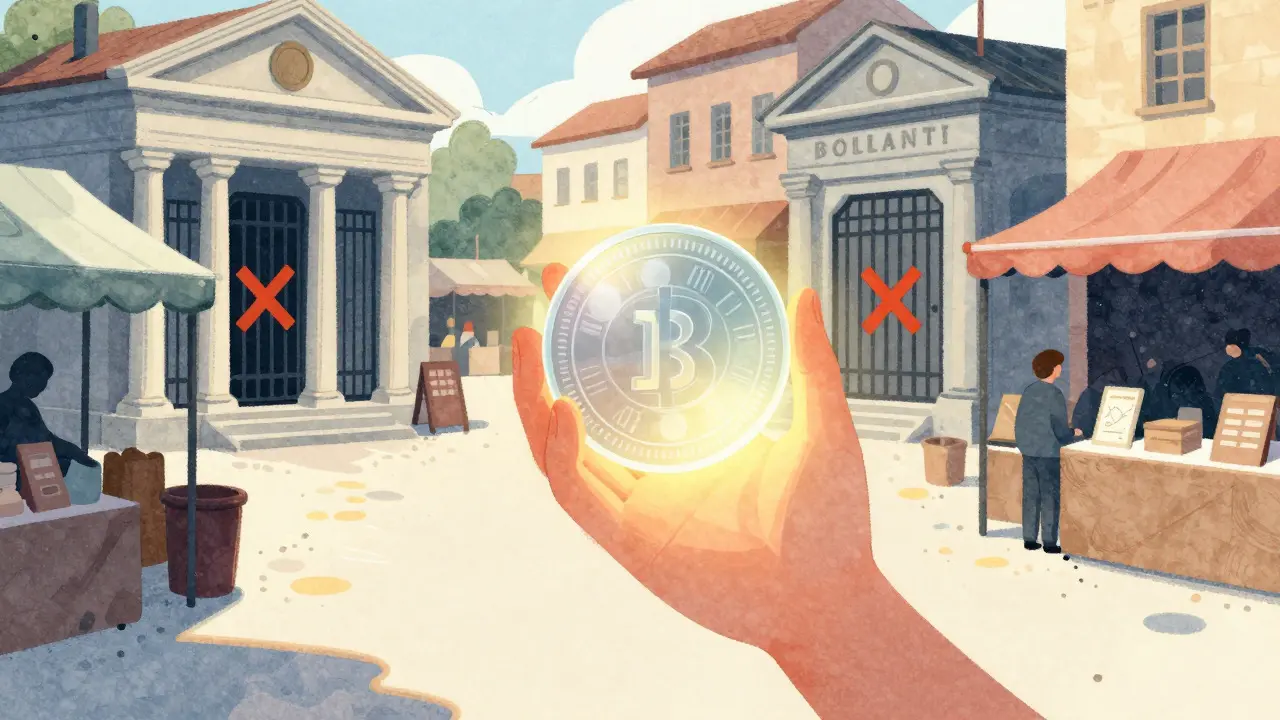
P2P Crypto Platforms in Restricted Countries: A Survival Guide for 2026
A practical guide to using P2P crypto platforms in restricted countries. Learn how to navigate bans, avoid fraud, and choose the right platform for financial sovereignty in 2026.

OKX Crypto Access Limitations by Country: Who Can Trade in 2026?
Discover which countries are restricted from OKX crypto trading in 2026. Learn about Tier 1 bans, feature limits, and how to check your eligibility safely.

Portugal Crypto Trading Guide 2026: Tax Rules, MiCA Restrictions & Reality Check
Discover the real state of crypto trading in Portugal in 2026. Learn about the 28% short-term tax, long-term exemptions, MiCA regulatory gaps, and how to navigate the new rules.

BaFin Cryptocurrency Oversight and Compliance: A 2026 Guide to German Regulations
A comprehensive guide to BaFin's cryptocurrency oversight in Germany for 2026. Covers MiCAR compliance, licensing requirements, AML/KYC rules, and recent tax changes.