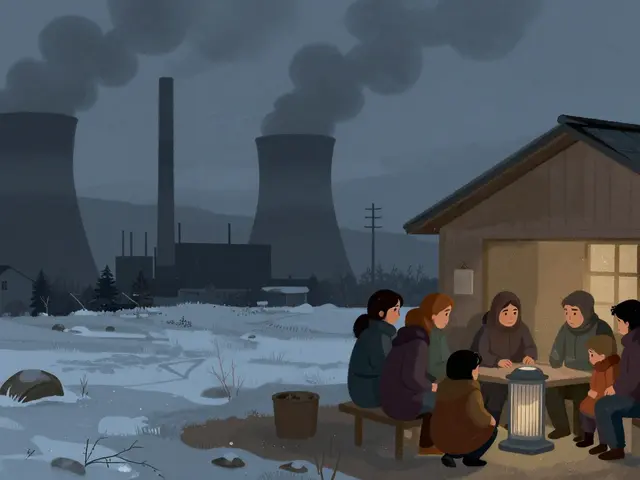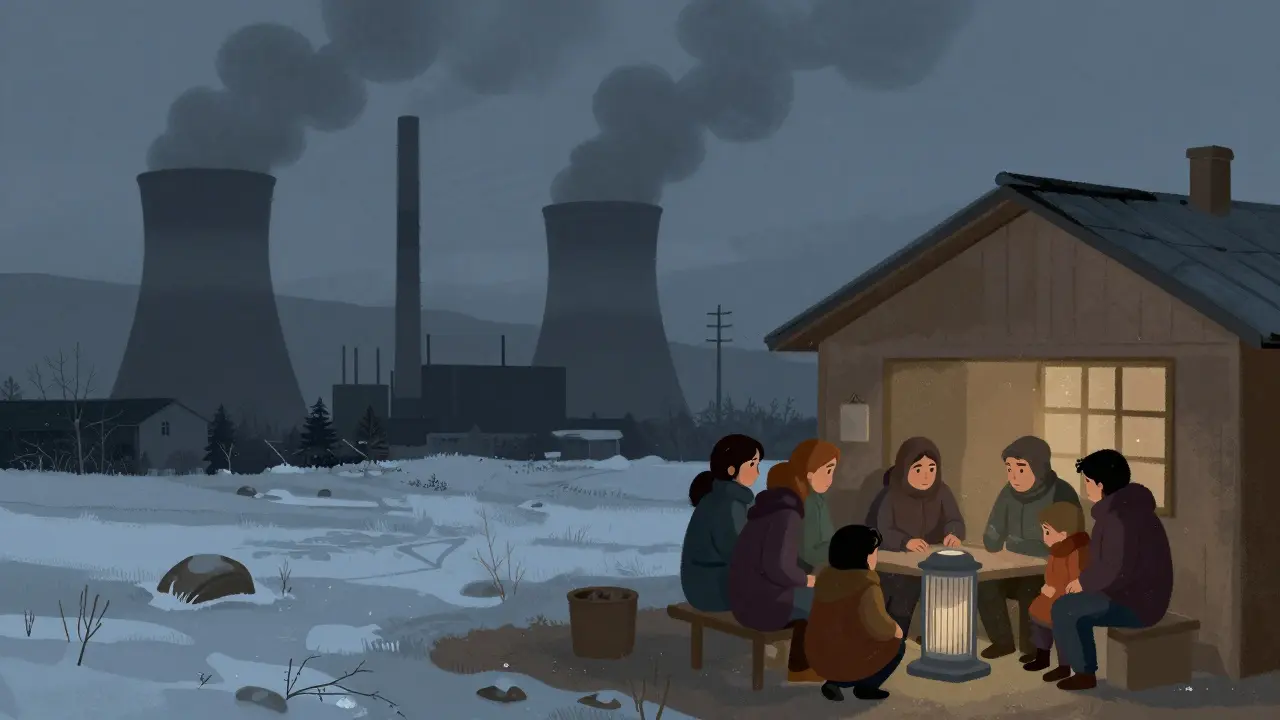
Kosovo’s decision to shut down cryptocurrency mining in early 2022 was not just a regulatory tweak; it was an emergency response to a collapsing power grid. If you were operating a mining farm there, the lights went out-literally and legally. The government didn’t wait for a slow legislative process. They acted fast because the country’s energy infrastructure was buckling under the weight of industrial-scale Bitcoin mining.
This wasn't about hating crypto. It was about keeping the lights on for regular households. By January 2022, Kosovo had become one of the most restrictive jurisdictions on earth for proof-of-work mining. Understanding why this happened, how it was enforced, and where things stand today is crucial for anyone looking at the Balkan energy market or considering cross-border mining operations.
The Energy Crisis That Forced the Ban
To understand the 2022 crypto mining restrictions in Kosovo, you have to look at the fuel supply chain. Kosovo relies heavily on coal-fired power plants. In late 2021, several EU countries banned fossil fuel exports from Russia due to geopolitical tensions. This cut off a cheap source of coal that Kosovo’s power plants depended on.
The result? A severe shortage of electricity. The government declared a state of emergency in December 2021. But here is the kicker: while homes and hospitals were facing potential blackouts, massive cryptocurrency mining farms were sucking up huge amounts of power. These farms were often located in areas with subsidized or unpaid electricity, particularly in northern municipalities with Serbian-majority populations where citizens traditionally did not pay utility bills.
Artane Rizvanolli, the Minister of Economy at the time, announced the ban on January 4, 2022. She stated clearly that the priority was securing energy for the population and essential services, not generating digital currency profits for private operators. The ban covered all forms of cryptocurrency production, specifically targeting the energy-intensive proof-of-work algorithms used by Bitcoin.
How the Government Enforced the Shutdown
Announcing a ban is easy. Enforcing it is hard. Kosovo’s approach was aggressive and multi-layered. The government didn’t just send a letter; they mobilized law enforcement.
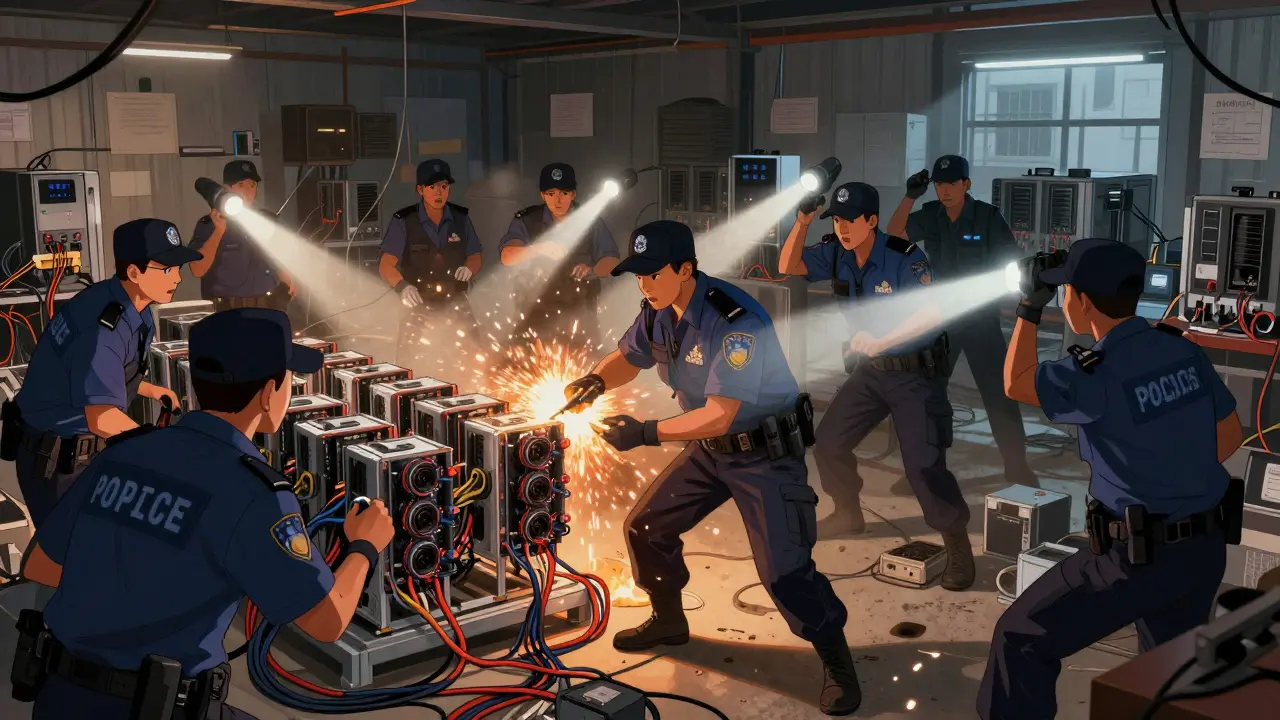
Police and customs authorities launched coordinated raids across the country. Their goal was simple: find the rigs, confiscate them, and cut the power. In the first few months of implementation, authorities seized more than 300 Bitcoin mining devices. This number tells you two things:
- Mining was widespread before the ban.
- The government was serious about immediate compliance.
Enforcement relied heavily on monitoring electricity consumption patterns. Utility companies flagged accounts with suspiciously high usage that didn’t match residential or standard commercial profiles. If your bill looked like a data center but your address was a warehouse in a low-income area, the police showed up.
| Action Type | Executing Agency | Outcome/Impact |
|---|---|---|
| Equipment Confiscation | Police & Customs | Over 300 mining rigs seized in initial raids |
| Grid Monitoring | Utility Companies | Identification of abnormal consumption spikes |
| Legal Extension | Ministry of Economy | Ban extended indefinitely via 60-day increments |
The Geographic Focus: Northern Kosovo
A critical part of this story is geography. The ban wasn’t applied evenly across the board initially because the problem wasn’t evenly distributed. The government focused heavily on northern Kosovo. In these municipalities, many residents did not pay for electricity due to political disputes and lack of integration with central billing systems.
Crypto miners exploited this loophole. They set up operations in these areas, using free or stolen electricity to mine Bitcoin. This wasn’t just an energy issue; it was a matter of national security and social equity. Why should a family in Pristina pay high prices for heating while a mining operation in Mitrovica ran for free?
The Committee for Economy in the Assembly of Kosovo worked to close this gap. The legislation aimed to ensure that no one could profit from the exploitation of public resources. This targeted approach made the ban politically popular among the general public, who saw it as a fight against corruption and resource theft.
From Emergency Measure to Permanent Policy
The ban started as an emergency measure. It was supposed to be temporary. But "temporary" stretched into permanence. Initially imposed in January 2022, the restriction was extended multiple times. On August 1, 2022, the government added another 60 days. The legal framework allowed extensions ranging from 30 to 180 days based on energy conditions.
By 2025, the situation has solidified. Kosovo remains one of only eight countries worldwide with an outright ban on cryptocurrency mining. According to international monitors like Greenpeace USA, this places Kosovo alongside nations that prioritize grid stability over crypto growth. The ban is no longer seen as a reaction to a specific winter crisis; it is now embedded in the country’s regulatory identity.
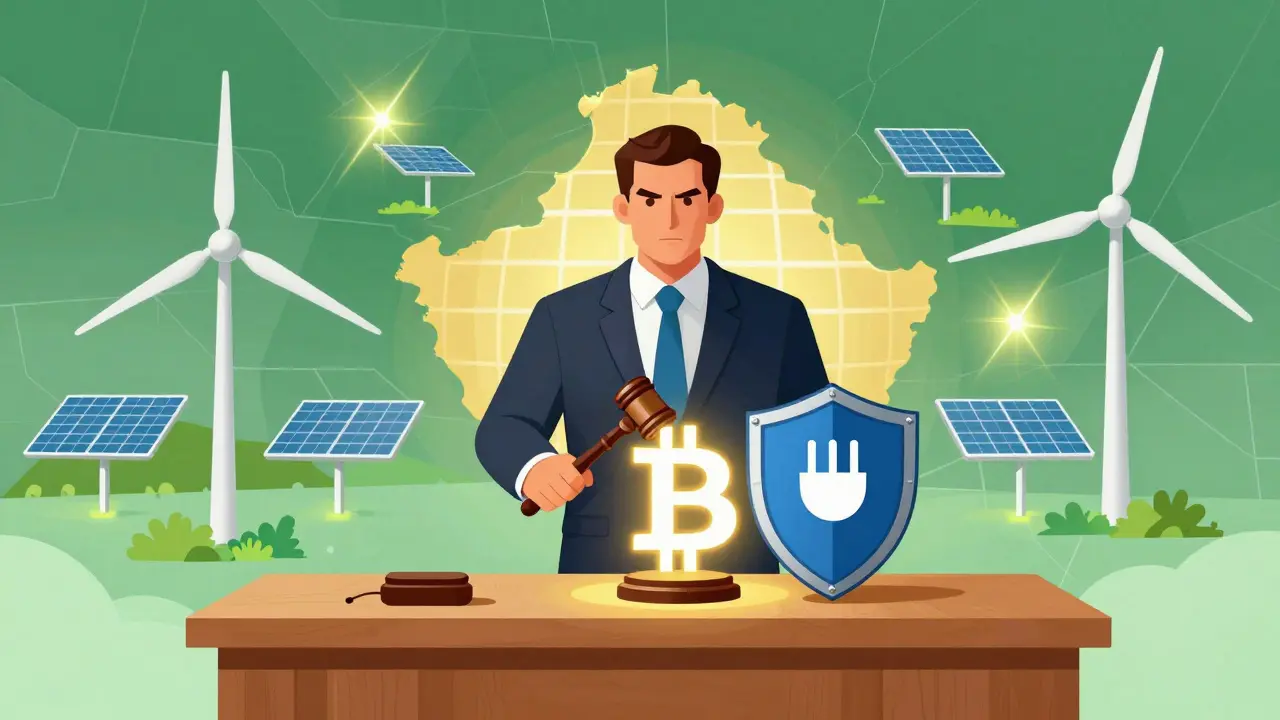
However, there is a nuance. Recent developments suggest limited exceptions. Mining might be permitted if powered exclusively by alternative energy sources that do not burden the national grid. Think solar panels on a remote roof or small-scale hydroelectric setups that are completely off-grid. But for any operation drawing from the main Kosovo power lines, the answer remains a hard no.
Impact on Investors and Everyday Users
If you are an investor, Kosovo is currently a dead zone for mining hardware. You cannot legally plug in ASICs or GPUs for PoW coins. This has killed local investment opportunities in the crypto sector. Businesses that hoped to build data centers or mining hubs have left or never arrived.
For everyday users, the impact is different. The ban targets *mining* (production), not necessarily *holding* or *trading*. However, the broader legal ambiguity creates a chilling effect. Many financial institutions in Kosovo refuse to process transactions related to crypto exchanges due to fear of violating anti-money laundering laws or supporting illegal mining activities.
This hurts the diaspora. Kosovo has a large population living abroad. Cryptocurrencies often serve as efficient tools for remittances-sending money home quickly and cheaply. With strict regulations and banking reluctance, families lose access to these faster, cheaper channels. They are forced back into traditional, expensive wire transfers.
Future Legislation: What Comes Next?
The government knows that banning mining doesn’t make crypto disappear. It just pushes it underground. There are ongoing discussions in the Assembly of Kosovo about new legislation. The goal is to create a clear framework for:
- Defining what constitutes "mining" vs. "trading."
- Taxing legitimate crypto assets.
- Regulating exchanges without encouraging energy waste.
This suggests a future where holding Bitcoin might be legal and taxed, but generating it through the national grid remains prohibited. This distinction is vital. It aligns Kosovo with global trends where governments want tax revenue from crypto wealth but refuse to subsidize its creation with public electricity.
Why This Matters Globally
Kosovo’s ban didn’t happen in a vacuum. It followed China’s massive shutdown of mining operations in 2021, which displaced nearly 75% of global hash rate. As countries realized the environmental cost of Bitcoin, they started acting. Kosovo joined a growing list of nations including Algeria, Ecuador, and Bangladesh that restrict mining to protect their grids.
For the global crypto community, Kosovo serves as a warning. Regulatory risk is real. You can build a profitable business model today, but if your energy costs threaten national infrastructure, the government will step in. And they will step in fast.
Is cryptocurrency mining still illegal in Kosovo in 2026?
Yes. As of 2026, mining cryptocurrencies using electricity from the national grid remains illegal in Kosovo. The ban implemented in 2022 has been extended repeatedly and is now considered a permanent policy to protect energy security. Limited exceptions may exist for off-grid renewable energy sources, but drawing power from the state grid for mining is prohibited.
Can I buy and sell Bitcoin in Kosovo?
The ban specifically targets mining (production). Buying, selling, and holding cryptocurrency is not explicitly criminalized by the mining ban itself. However, the lack of clear regulation means banks may block transactions, and there is no legal protection for traders. Always check the latest guidelines from the Central Bank of Kosovo.
Why did Kosovo ban crypto mining?
The primary reason was an energy crisis. In 2021-2022, Kosovo faced severe electricity shortages due to restricted coal imports. Crypto mines were consuming a disproportionate amount of power, often illegally in northern regions. The government prioritized residential and essential service needs over crypto profits.
What happens if I get caught mining crypto in Kosovo?
Authorities actively raid suspected sites. Consequences include the confiscation of all mining hardware, fines for electricity theft, and potential criminal charges for violating emergency decrees. Police monitor grid usage to identify high-consumption anomalies.
Will the ban ever be lifted?
It is unlikely to be fully lifted for grid-connected mining anytime soon. The government views energy security as paramount. Future regulations may allow mining only if it uses 100% independent, renewable energy sources that do not impact the national grid, but this pathway is narrow and strictly regulated.