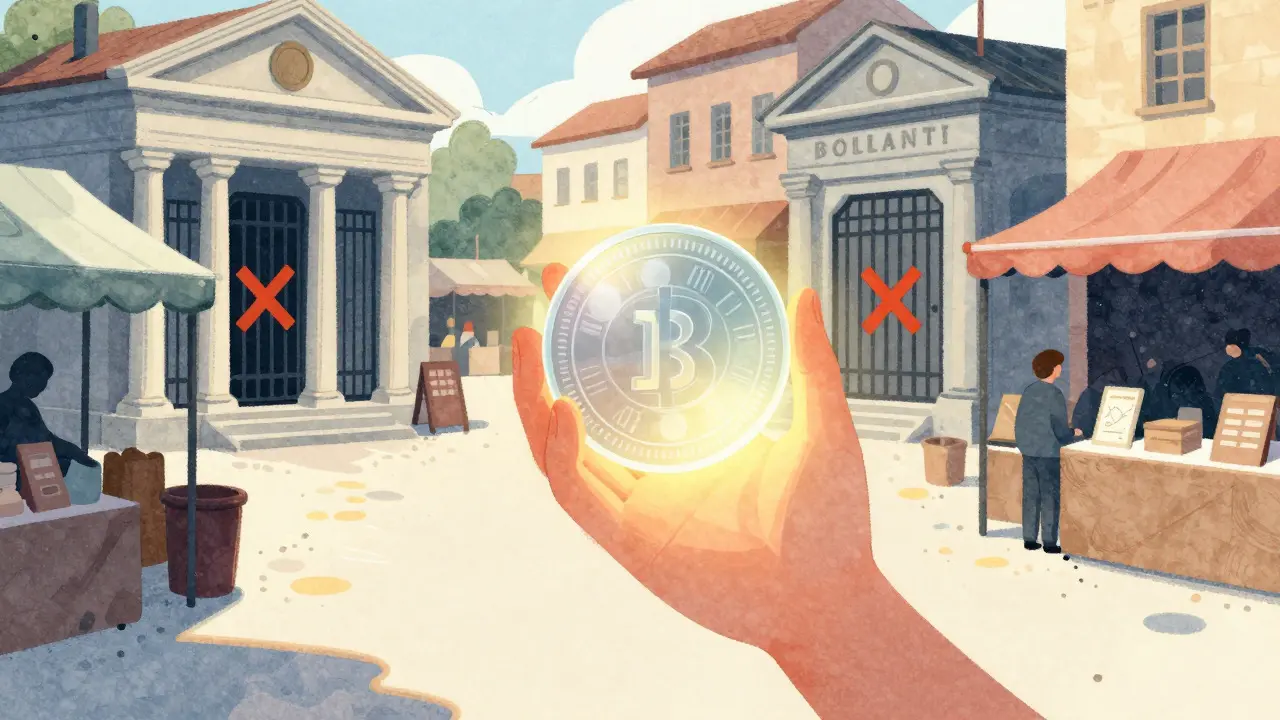
Imagine trying to send money to a family member overseas, but your bank charges you 25% in fees. Or picture living in a country where the currency loses half its value every year, and the government just banned buying digital assets to stop you from saving it. For millions of people, this isn't a hypothetical nightmare-it's daily life. In these high-pressure environments, P2P crypto platforms are decentralized marketplaces that allow users to trade cryptocurrencies directly with one another using local payment methods, bypassing traditional banking restrictions. They have become more than just trading tools; they are essential lifelines for financial survival.
If you live in or deal with clients in regions like Nigeria, Turkey, or Venezuela, understanding how these platforms work-and the risks involved-is critical. This guide breaks down how P2P trading operates in restricted jurisdictions, which platforms actually work, and how to stay safe when the rules are constantly changing.
Why P2P Trading Booms Where Banks Fail
To understand why P2P is so popular in restricted countries, you first need to look at what "restricted" actually means. It doesn't always mean a total ban on owning Bitcoin. Often, it means the central bank has told commercial banks not to process crypto transactions. When that happens, regular exchanges like Coinbase or Binance (in their centralized form) become useless because you can't deposit or withdraw fiat currency.
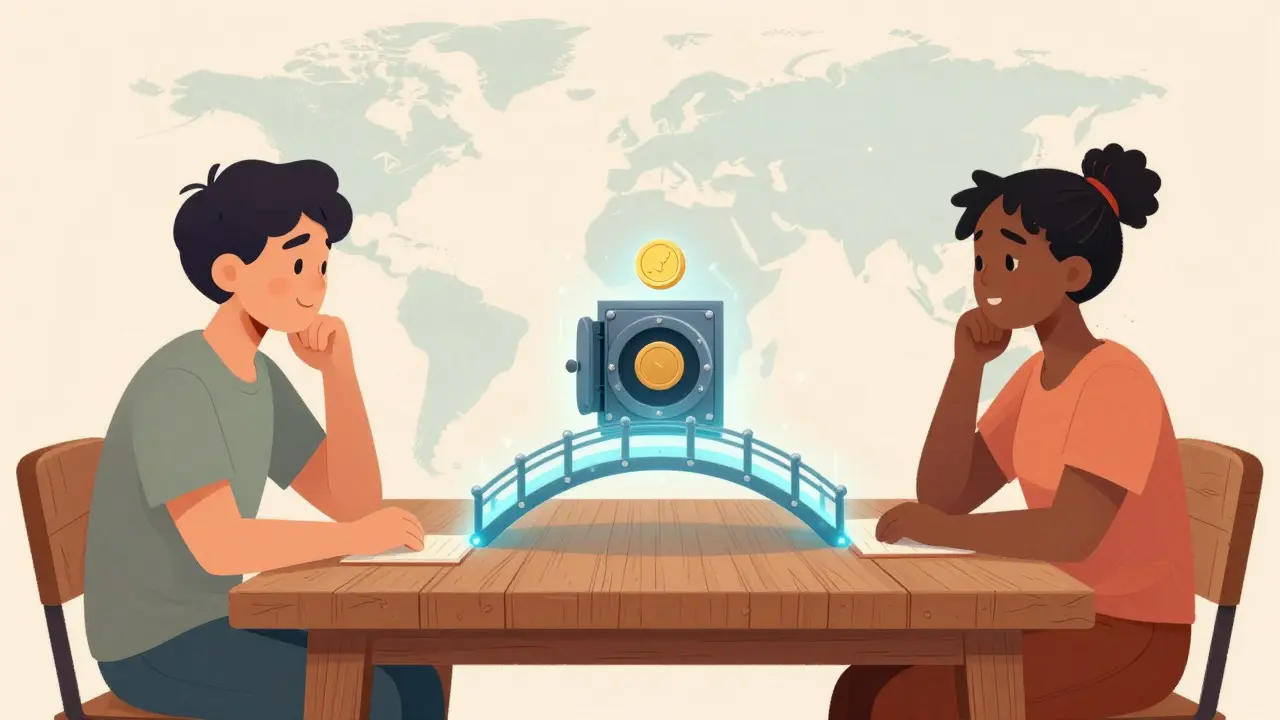
This creates a vacuum. People still need to move money, hedge against inflation, or receive remittances. P2P platforms fill this gap by acting as middlemen between buyers and sellers, rather than holding funds themselves. You find a seller who accepts your local mobile money app or bank transfer, agree on a price, and the platform holds the crypto in escrow until the cash is confirmed.
The data backs up this necessity. According to Chainalysis reports from 2023, over 18 countries maintain some form of cryptocurrency restriction. In places like Turkey, where the lira devalued by 84% against the US dollar between 2018 and 2021, citizens turned to crypto not as an investment, but as a shield. By April 2021, when payments were officially banned, P2P volume had already skyrocketed. Similarly, in Nigeria, after the Central Bank issued a banking ban in January 2017, P2P became the primary way for the unbanked population to access global finance. A 2022 study showed that 87% of Nigerian P2P users were previously excluded from traditional banking services entirely.
Top Platforms Operating in Restricted Markets
Not all P2P platforms are created equal, especially when regulatory heat is high. Some shut down quickly when pressure mounts, while others adapt. Here are the key players currently navigating these complex landscapes:
| Platform | Key Feature | Restriction Handling | Best For |
|---|---|---|---|
| Paxful | Wide variety of payment methods (gift cards, mobile money) | Risk-based compliance; restricts highest-risk zones dynamically | Users needing flexible, non-bank payment options |
| Binance P2P | Highest liquidity and user base | Strict KYC; frequent account freezes in banned regions | High-volume traders seeking best rates |
| HodlHodl | Non-custodial (no company holds funds) | No KYC required; harder to ban | Privacy-focused users avoiding identity checks |
| Bisq | Decentralized desktop application | No central server; Tor integration available | Tech-savvy users wanting maximum anonymity |
Paxful stands out for its sheer variety of payment methods. If your local bank blocks transfers, Paxful might accept gift cards, mobile wallets, or even cash deposits via third parties. However, this flexibility comes with higher fraud risks. Binance P2P offers the deepest order books, meaning you can move large amounts quickly, but it requires strict Know Your Customer (KYC) verification. In countries like Bangladesh, users report that despite using only P2P features, their local bank accounts get frozen if the bank detects any crypto-related activity. On the other end of the spectrum, HodlHodl and Bisq offer non-custodial solutions. This means no company holds your money. Bisq, for instance, runs as a desktop app that connects to the Tor network, making it nearly impossible for authorities to track or shut down. The trade-off? Lower liquidity and a steeper learning curve.
How P2P Platforms Evade Restrictions Technically
You might wonder: how do these platforms keep running when governments try to ban them? It’s a cat-and-mouse game involving several technical strategies.
First, many platforms avoid the Google Play Store and Apple App Store in banned countries. Since these stores comply with local laws, they remove crypto apps in nations like China, Algeria, and Egypt. Instead, platforms distribute Android Package Kit (APK) files directly through their websites. Users have to enable "install from unknown sources" on their phones. While this sounds risky, it’s a necessary step for access. About 34% of users in restricted markets report installation difficulties, but once set up, the apps function normally.
Second, architecture matters. Centralized platforms like LocalBitcoins used to dominate but lost significant market share (dropping from 68% to 29% in banned countries between 2020 and 2022) because they held user data and funds, making them easy targets for regulators. Decentralized alternatives like Bisq use multi-signature escrow systems. This means the crypto is locked in a contract that requires signatures from both the buyer, the seller, and sometimes an arbitrator to release. No single entity controls the funds, making it legally ambiguous for governments to seize assets.
Third, obfuscation techniques are common. Some platforms integrate with the Tor network to hide IP addresses. Others use minimal system requirements, ensuring their web interfaces work on 2G connections, which are prevalent in parts of Africa and Asia. This ensures that even with poor infrastructure, users can transact. Average transaction completion times in these regions are 12-18 minutes, slower than the 5-8 minutes in regulated markets, due to enhanced manual verification steps.
Navigating the Risks: Fraud, Freezes, and Legal Grey Areas
Let’s be honest: trading crypto in a restricted country is dangerous. Not because the technology fails, but because the human element and legal environment are volatile. Here are the three biggest risks you face.
- Counterparty Fraud: In P2P, you’re dealing with strangers. Paxful reported that 37% of fraud cases originated from restricted jurisdictions in 2022. Scammers might claim they sent money when they didn’t, or send stolen funds that later get reversed. Always stick to the platform’s chat and never communicate outside it. Check the seller’s completion rate and number of trades. A new account with zero history is a red flag.
- Bank Account Freezes: Even if the crypto platform is safe, your local bank might not be. In Nigeria, 22% of P2P users reported account freezes in 2023. Banks often flag transactions coming from known crypto merchants or unusual patterns. To mitigate this, use dedicated bank accounts for crypto trading, separate from your salary account. Rotate payment methods frequently.
- Legal Vulnerability: Laws change overnight. Vietnam, for example, maintains an outright ban on using crypto as payment, with fines reaching $8,790. China intensified enforcement in Q2 2023 with over 1,200 arrests related to illegal crypto transactions. While owning crypto isn’t always illegal, facilitating transactions can be. Stay informed about local regulations. Join local Telegram or Reddit communities (like r/BitcoinNigeria) to get real-time updates on police crackdowns or bank policies.
Dr. Garrick Hileman from the Cambridge Centre for Alternative Finance noted that P2P platforms effectively create parallel financial systems. While empowering, these systems operate in a legal grey area. The Financial Action Task Force (FATF) has pushed for the "travel rule," requiring platforms to share sender and receiver data for transactions over $1,000. Implementation is inconsistent, but expect stricter scrutiny in the coming years.
Practical Steps for Safe P2P Trading in 2026
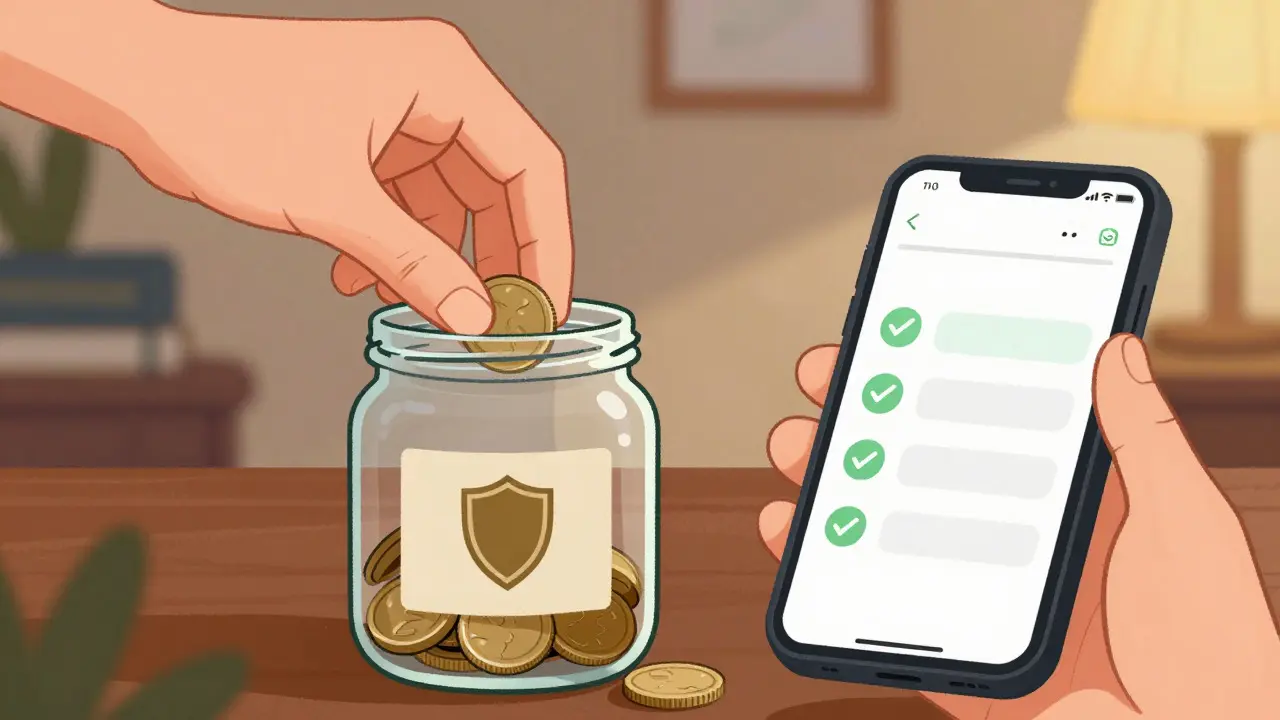
If you decide to proceed, here is a checklist to minimize risk and maximize success.
- Start Small: Never put your entire savings into a single P2P trade. Start with small amounts ($10-$50) to test the waters and build trust with reliable merchants.
- Verify Payment Methods: Ensure the payment method you choose is reversible if possible. Mobile money is often preferred in Africa because it provides instant confirmation and a clear audit trail. Avoid cash-in-person meetings unless absolutely necessary, and always meet in public places.
- Use Escrow Wisely: Never release crypto until you see the money in your bank account balance, not just a screenshot. Screenshots can be faked. Log into your banking app and confirm the deposit before clicking "Release" on the P2P platform.
- Diversify Platforms: Don’t rely on just one platform. If Binance freezes your account, having an active profile on Paxful or HodlHodl gives you an exit route.
- Secure Your Device: Since you might be downloading APKs, ensure your phone has good antivirus protection. Use a dedicated device for crypto trading if possible, separate from your primary personal phone.
The Future of P2P in Restricted Regions
The landscape is shifting. While some countries like China continue to crack down, others are exploring regulation. Nigeria established a regulatory sandbox in 2023 to explore blockchain implementation after years of bans. The Central African Republic briefly adopted Bitcoin as legal tender in 2022, though it repealed the measure under IMF pressure in 2023. These experiments show that governments are watching closely.
Industry analysts project P2P volume in restricted markets will grow to $210 billion annually by 2025, driven by persistent economic instability. Six of the top ten P2P volume countries experience annual inflation exceeding 50%. As long as traditional finance excludes these populations, P2P will remain vital. However, expect tighter KYC requirements. The days of anonymous trading on major platforms are ending. Platforms that balance compliance with accessibility will survive; those that don’t will vanish.
Is P2P crypto trading legal in restricted countries?
It depends on the specific country's laws. In many places, owning crypto is legal, but exchanging it for fiat through banks is banned. P2P exists in a grey area. While not explicitly criminalized everywhere, engaging in it can lead to bank account freezes or fines. Always check local regulations before trading.
Which P2P platform is safest for beginners?
For beginners, Binance P2P is often recommended due to its high liquidity and robust dispute resolution team. However, it requires strict KYC. For those prioritizing privacy over convenience, HodlHodl is a safer non-custodial option, though it requires more technical knowledge.
How do I avoid getting scammed on P2P platforms?
Stick to merchants with high completion rates (95%+) and many trades. Never communicate outside the platform's chat. Confirm funds are in your bank account balance before releasing crypto. Be wary of prices that seem too good to be true, as they often indicate scams.
Can my bank freeze my account for using P2P?
Yes, this is a common risk in restricted countries. Banks may flag transactions associated with known crypto merchants. To reduce risk, use a separate bank account for crypto activities and avoid large, sudden transfers that look suspicious.
Do I need to download an app to use P2P platforms?
Many platforms offer web interfaces that work on mobile browsers. However, in countries where app stores block crypto apps, you may need to download APK files directly from the platform's website for Android devices. iOS users often rely on the web version since sideloading is harder.
What is the difference between custodial and non-custodial P2P?
In custodial P2P (like Binance), the platform holds your crypto in escrow during the trade. In non-custodial P2P (like Bisq or HodlHodl), smart contracts hold the funds, and no central company has control. Non-custodial is harder to ban but requires more technical skill to use safely.