Across Egypt, people are quietly buying and selling Bitcoin, Ethereum, and other cryptocurrencies-not through banks, not through official exchanges, but through peer-to-peer (P2P) deals done in person, over WhatsApp, or via international apps. There’s no official green light from the government. In fact, the Central Bank of Egypt banned unlicensed crypto trading back in 2020. Yet, millions are doing it anyway. Why? Because there’s no real alternative.
Why Banks Won’t Help
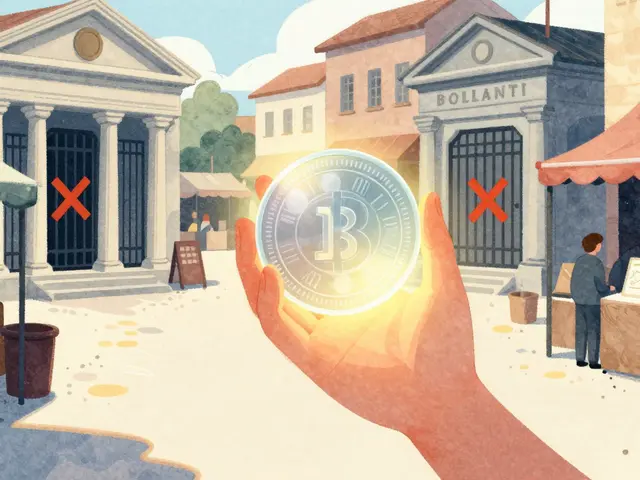
If you try to deposit money into a local crypto exchange in Egypt, your bank will likely freeze the transaction. Not because it’s illegal-but because they’re scared. The Central Bank of Egypt (CBE) made it clear: no bank can process payments tied to cryptocurrency unless they have a special license. And no one has gotten one. So banks shut down anything that looks like crypto. Transfers to Binance? Blocked. Payments to a trader using EGP? Flagged. Even mobile wallets like Fawry or Vodafone Cash get suspicious if you’re sending money to someone who just bought Dogecoin. This isn’t about distrust in crypto. It’s about fear of regulation. Banks don’t want to risk fines, audits, or being shut down. So they cut off the entire channel. And that’s where P2P trading steps in.How P2P Trading Works in Egypt
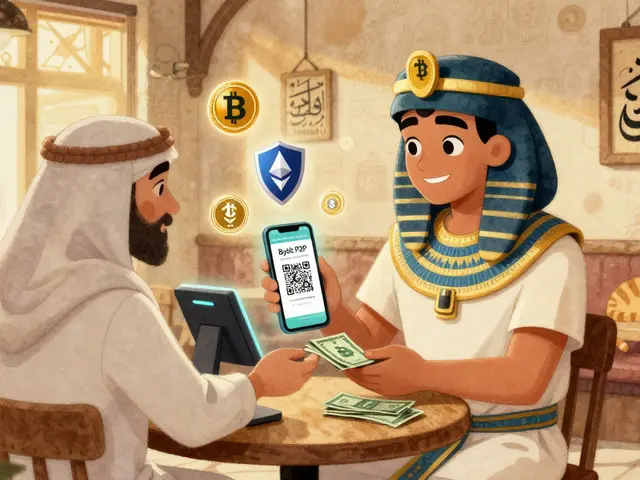
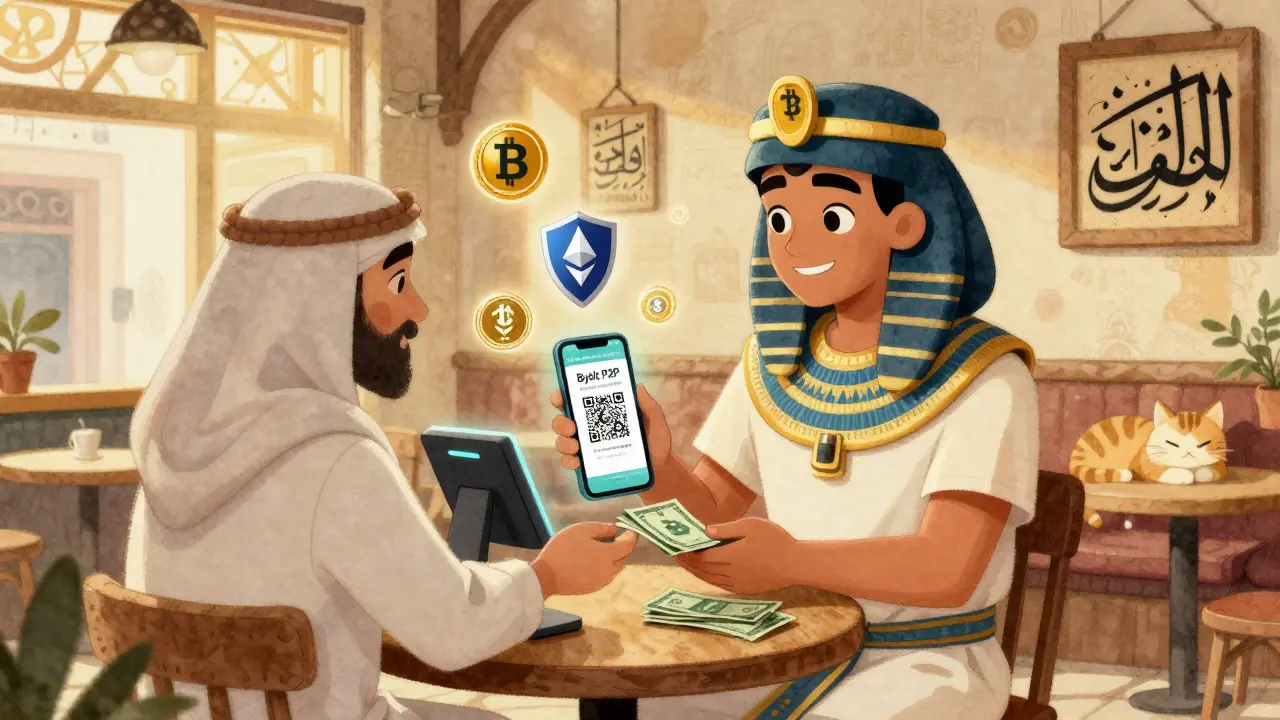
P2P means person-to-person. Instead of going through an exchange that holds your money, you trade directly with another person. You send them Egyptian pounds (EGP) via bank transfer, mobile wallet, or even cash. They send you crypto. No middleman. No bank approval needed. The most popular platforms? Bybit P2P is the leader. It supports EGP deposits with zero fees, has an Arabic interface, and even offers Shariah-compliant trading options. Bybit P2P lets Egyptians buy Bitcoin with bank transfers, Apple Pay, debit cards, or even cash on delivery. Binance is close behind, with its own P2P marketplace that accepts EGP and has over 100 payment methods. Bitget and Gate.io are also widely used, especially by traders looking for altcoins beyond Bitcoin and Ethereum. Traders don’t just use apps. Many meet in person-coffee shops in Cairo, university campuses in Alexandria, or even parking lots in Giza. They’ll show up with cash, hand over a few thousand EGP, and get a QR code scanned for Bitcoin. Others use WhatsApp to negotiate prices, send screenshots of bank receipts, and confirm trades before releasing crypto.Who’s Doing It-and How Much
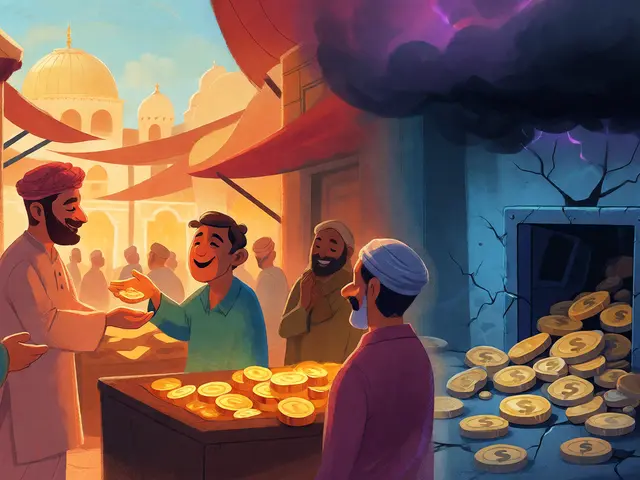
Egypt isn’t just dabbling. It’s one of the biggest crypto markets in Africa. By 2025, it’s expected to hit $690 million in crypto trading volume, with over 11 million people actively trading. That’s nearly 10% of the population. Most are young-under 35-and they’re not just speculating. Many use crypto to protect savings from inflation, send money abroad without high fees, or buy goods from international sellers who won’t accept EGP. Bitcoin is the most traded, followed by USDT (Tether). Why USDT? Because it’s pegged to the dollar. In a country where the Egyptian pound lost over 50% of its value against the dollar since 2022, holding USDT is like holding a piece of stability. People aren’t just gambling-they’re surviving.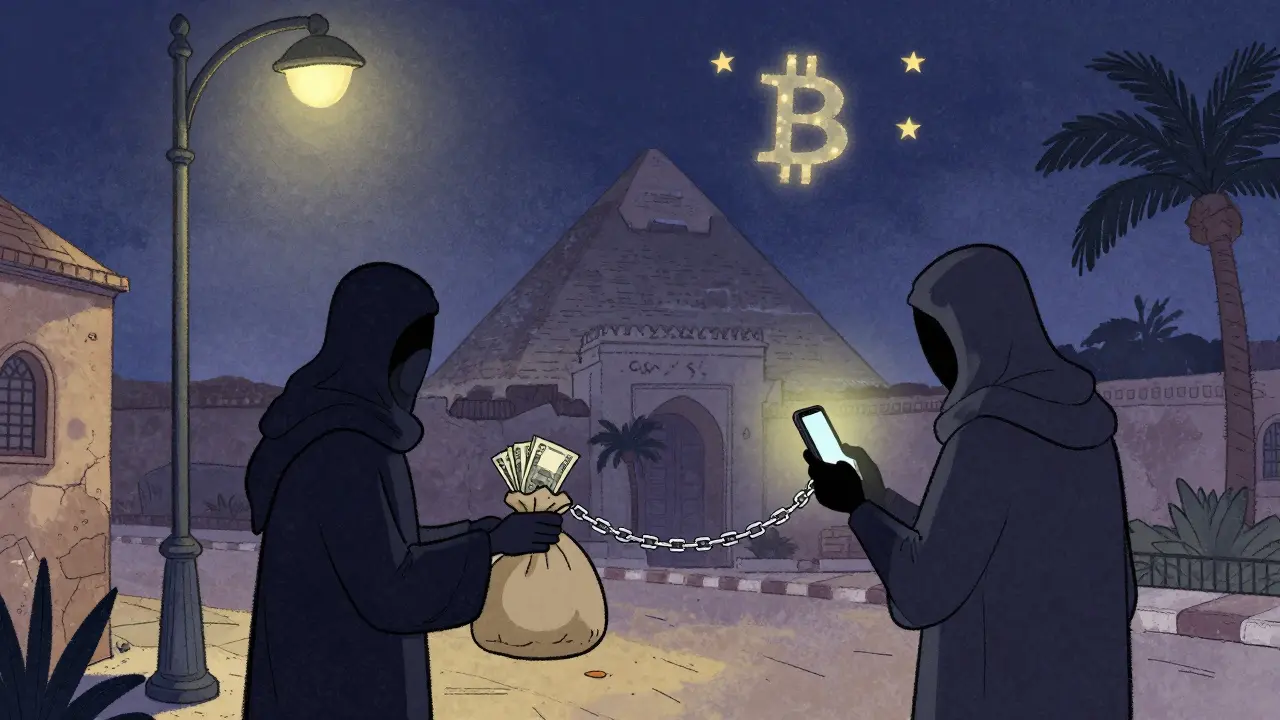
Security Risks and How Traders Stay Safe
Trading underground means no safety net. If someone scams you, there’s no bank to reverse the transaction. No government agency to file a complaint with. You’re on your own. That’s why experienced traders have rules:- Never send crypto before you see the EGP in your account.
- Use escrow services built into P2P platforms-don’t trust direct wallet transfers.
- Check the seller’s trade history. Look for 100+ completed trades with 98%+ positive feedback.
- Enable two-factor authentication (2FA) on every account. No exceptions.
- Use cold wallets (hardware or paper) to store large amounts. Never keep crypto on an exchange.
The Legal Gray Zone
Here’s the weird part: crypto isn’t illegal in Egypt. It’s just not licensed. The law says you can’t promote it, operate an exchange, or accept it as payment. But it doesn’t say you can’t buy Bitcoin from someone else. So technically, a private P2P trade between two adults? Not a crime. That’s why traders avoid advertising. No public groups. No YouTube tutorials. No Instagram posts saying “Buy Bitcoin with EGP.” They use encrypted apps like Signal or Telegram. They change usernames. They don’t use their real names. The community runs on whispers, not ads. Even religious leaders have shifted. Dar al-Ifta, Egypt’s top Islamic authority, once called Bitcoin haram. But in 2023, they revised their stance: “If used responsibly and without speculation, crypto can be halal.” That helped ease some cultural resistance.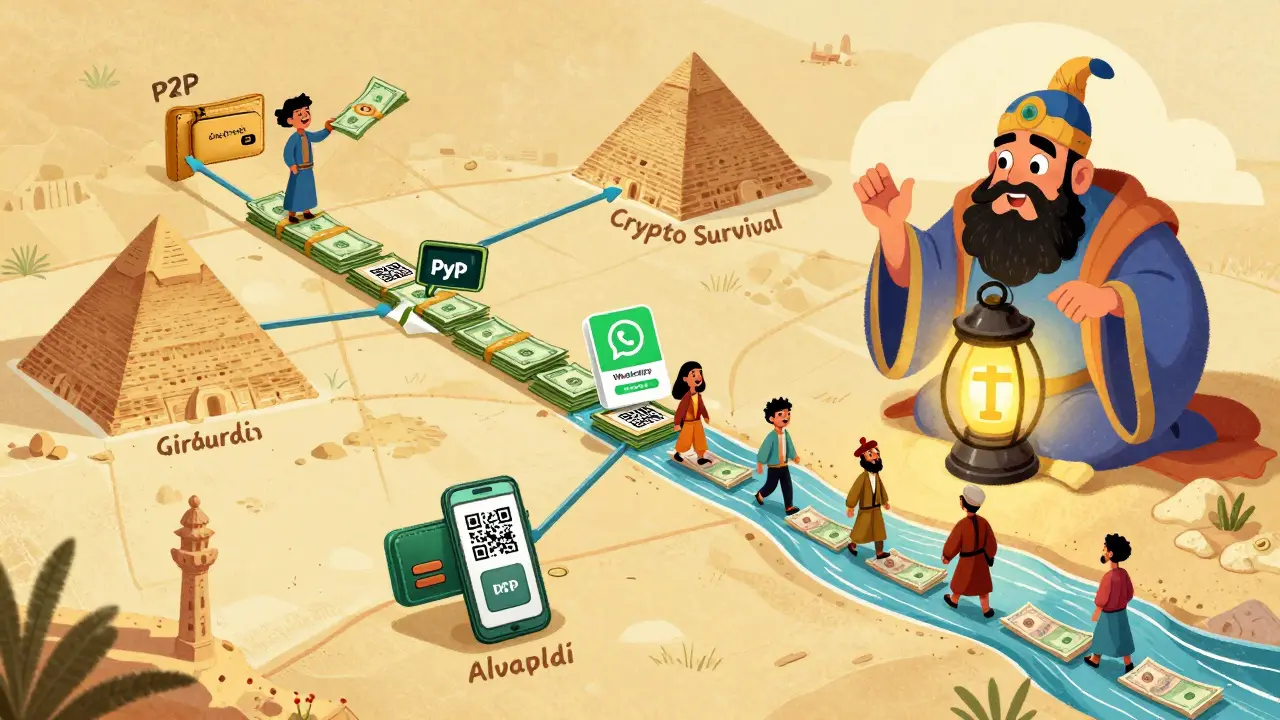
Why It Won’t Stop
The government has tried cracking down. In 2024, there were reports of arrests for running unlicensed crypto services. But those were for businesses-not individual traders. The real threat? Banks. If your bank freezes your account for six months because you sent $500 to Binance, you’ll stop. But if you can use a friend’s account, or mobile money, or cash? You’ll keep going. And the demand isn’t fading. Inflation is still high. Salaries haven’t kept up. Remittance fees from the Gulf or Europe are over 10%. Crypto offers a way out. Plus, Egypt’s government is quietly exploring blockchain for land records, digital IDs, and supply chain tracking. That suggests they’re not against the tech-they just want control. Until then, P2P will keep growing.What’s Next?
No one expects the CBE to suddenly legalize crypto tomorrow. But they might create a licensed, regulated exchange-like they did with gold trading. If that happens, P2P won’t disappear. It’ll just get quieter. People will still use it for speed, privacy, and lower fees. For now, Egypt’s crypto scene is a living example of how people adapt when systems fail. No government support. No bank help. Just a network of ordinary people using tech to move money, protect value, and stay connected to the global economy.Is it legal to trade crypto via P2P in Egypt?
Trading crypto via P2P between individuals is not explicitly illegal in Egypt, but it exists in a legal gray zone. The Central Bank of Egypt bans unlicensed entities from promoting or operating crypto services, but the law doesn’t prohibit private, peer-to-peer trades between two people. As long as you’re not running an exchange or advertising services, most traders operate without legal consequences.
Can Egyptian banks block my crypto transactions?
Yes. Most Egyptian banks automatically flag and freeze transfers linked to crypto exchanges or P2P platforms. This includes deposits to Binance, Bybit, or even payments to someone who just bought Bitcoin. Many traders work around this by using mobile money apps, cash deposits, or third-party bank accounts not linked to their main profile.
Which P2P platforms are most popular in Egypt?
Bybit P2P leads the market due to its zero-fee EGP deposits, Arabic interface, and support for Apple Pay and bank transfers. Binance P2P is a close second, offering over 100 payment methods. Bitget and Gate.io are also widely used, especially for altcoins. These platforms are preferred because they allow direct EGP trading without requiring a local bank account linked to crypto.
Why do Egyptians prefer USDT over Bitcoin?
USDT (Tether) is pegged to the U.S. dollar, making it a stable store of value in a country where the Egyptian pound has lost over half its value since 2022. While Bitcoin is popular for speculation, USDT is used daily to preserve savings, pay for imports, and send money abroad without high fees or delays. It’s more practical than Bitcoin for everyday use.
What are the biggest risks of P2P trading in Egypt?
The biggest risks are scams, bank account freezes, and lack of legal recourse. Since there’s no regulated system, if you’re scammed, you can’t get your money back. Also, if your bank detects crypto activity, they may freeze your account for months. Traders mitigate this by using escrow, checking trade history, and keeping small amounts on exchanges.