Remember July 2021? If you were in crypto back then, you probably remember the chaos. ShibaSwap launched on July 6, 2021, and hit $1 billion in total value locked (TVL) in just two days. It was the wild west of decentralized finance. Fast forward to late 2026, and the meme coin frenzy has cooled significantly. The question isn't whether ShibaSwap is a viral sensation anymore; it’s whether it’s actually useful for your portfolio today.
I’ve spent the last few weeks testing the platform, connecting my wallet, providing liquidity, and checking out the governance features. Here is the honest truth about using ShibaSwap in 2026, stripped of the hype.
What Exactly Is ShibaSwap?
At its core, ShibaSwap is a decentralized exchange (DEX). Unlike centralized exchanges like Binance or Coinbase, there is no company holding your funds. You trade directly from your wallet. It sits on the Ethereum blockchain but relies heavily on the broader Shiba Inu ecosystem.
The platform revolves around three main tokens, often called the "SHIB tri-factor":
- SHIB: The original meme token. It’s the most widely traded asset on the platform.
- BONE: The governance token. Holding BONE lets you vote on proposals within Doggy DAO, the community group that runs the project.
- LEASH: A rebranded version of the original "Doge Killer" token. It’s capped at 107,000 tokens and is meant to be a risk-hedging tool, though it’s mostly used by hardcore collectors now.
You don’t need to create an account. You just connect a Web3 wallet like MetaMask or Trust Wallet. No ID checks, no phone numbers. Just pure, permissionless trading.
The User Experience: Simple But Not Polished
When you first open ShibaSwap, the interface feels familiar if you’ve used Uniswap or PancakeSwap before. You select the token you want to swap, enter the amount, and approve the transaction in your wallet.
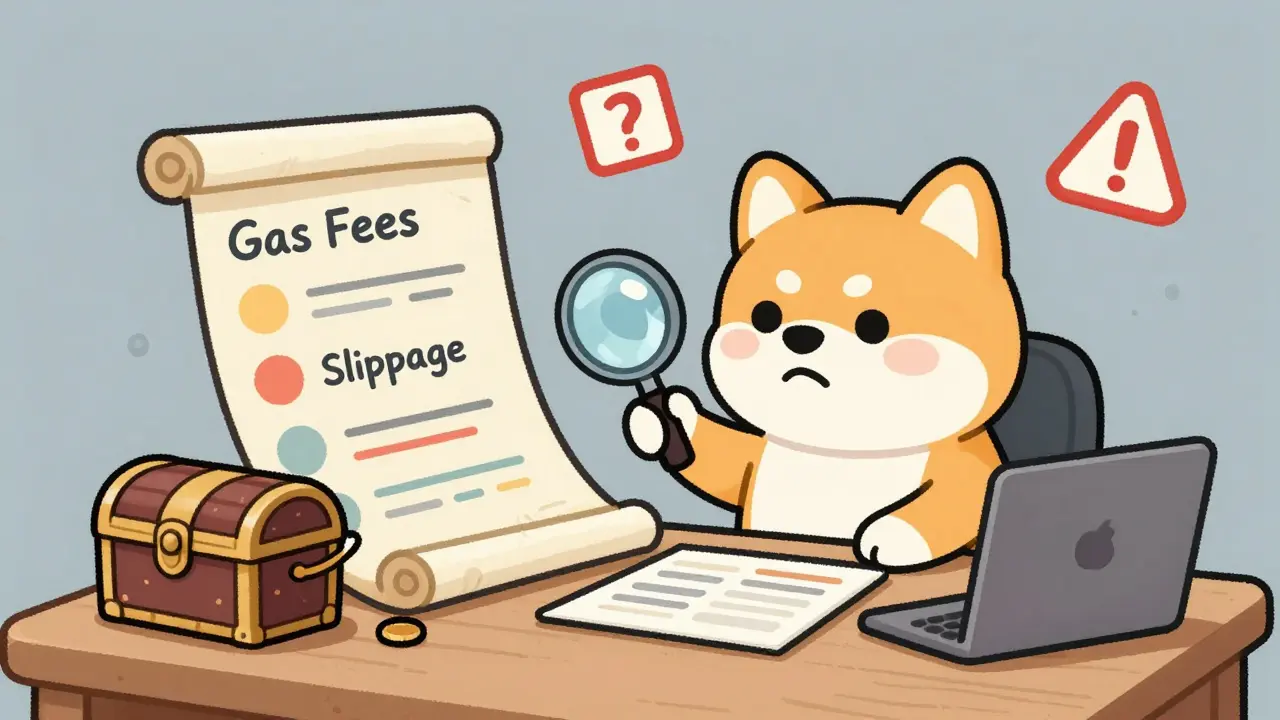
However, the user experience (UX) shows its age. The design hasn’t seen a major overhaul since the early days. Navigating between swapping, staking, and the NFT marketplace can feel clunky. If you are new to crypto, the terminology might confuse you. Terms like "slippage," "gas fees," and "liquidity pools" aren't explained well on the site itself.
One thing I appreciate is the speed. Because the underlying transactions happen on the Ethereum network, they are secure. But that security comes with a cost-gas fees. During busy times, swapping small amounts of SHIB can sometimes cost more in gas than the trade itself is worth. This is a common issue with Ethereum-based DEXs, not just ShibaSwap.
Staking and Earning Rewards
This is where ShibaSwap tries to differentiate itself from other DEXs. It’s not just a place to swap tokens; it’s a place to earn them.
Liquidity Pools: You can pair two tokens (like SHIB and ETH) and deposit them into a pool. In return, you earn a share of the trading fees generated by swaps in that pool. The APY (Annual Percentage Yield) varies wildly based on market volatility. In 2026, yields are much lower than the astronomical rates seen in 2021.
Staking: You can stake SHIB, BONE, or LEASH individually. When you stake, you lock up your tokens for a set period. In exchange, you receive rewards in BONE. This is attractive for long-term holders who believe in the ecosystem's future. However, remember that staking locks your assets. If the price of SHIB crashes while your tokens are locked, you can’t sell quickly to cut losses.
Farming: Similar to liquidity pools, farming involves providing liquidity to specific pairs to earn additional incentives. It’s higher risk because of impermanent loss-the risk that the value of your deposited tokens changes compared to if you had just held them in your wallet.
Security and Trust
In crypto, security is everything. ShibaSwap has taken steps to prove it’s safe. The platform underwent a comprehensive audit by CertiK, a leading blockchain security firm. An audit means experts reviewed the code for vulnerabilities. While no audit guarantees 100% safety, it’s a strong signal of legitimacy.
The platform also supports IP whitelisting and two-factor authentication (2FA) for certain administrative actions, though as a non-custodial DEX, your primary security responsibility lies with your private keys. If you lose your seed phrase, ShibaSwap cannot help you recover your funds. There is no customer support hotline to call.
| Feature | ShibaSwap | Uniswap | PancakeSwap |
|---|---|---|---|
| Blockchain | Ethereum | Ethereum / L2s | BNB Chain |
| Primary Token | SHIB / BONE | UNI | CAKE |
| Governance | Doggy DAO | Uniswap Governance | CakeDAO |
| Gas Fees | High (Ethereum) | High (Ethereum) | Low (BNB Chain) |
| NFT Marketplace | Yes (Shiboshis) | Yes (Unicly) | Yes |
The Ecosystem: More Than Just Swapping
ShibaSwap doesn’t exist in a vacuum. It’s part of a larger ambition to build a full utility ecosystem around the Shiba Inu brand. By 2026, this includes:
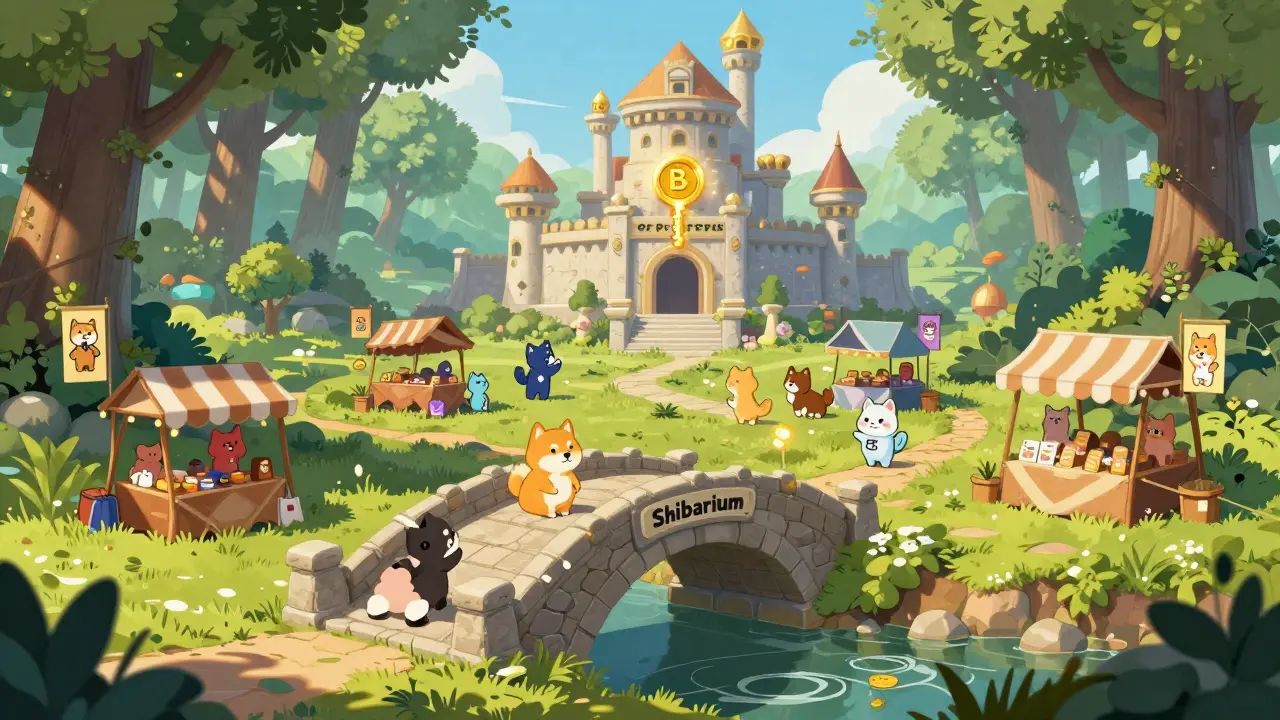
- Shibarium: A Layer-2 blockchain solution designed to reduce transaction costs and increase speed. While ShibaSwap primarily operates on Ethereum, Shibarium aims to make micro-transactions viable for everyday use.
- Shiboshis: An NFT collection of 10,000 unique characters. These are tradable on the ShibaSwap NFT marketplace. Ownership can grant access to exclusive events or future airdrops.
- Metaverse & Gaming: Projects like "SHIB: The Metaverse" and "Shiba Eternity" aim to create immersive experiences. Adoption here is still slow, but it represents the team’s push toward real-world utility beyond speculation.
The goal is clear: move SHIB from a meme token to a functional currency. So far, progress is steady but not explosive. Merchant adoption exists-companies like Newegg and AMC have experimented with accepting SHIB-but it’s not yet mainstream.
Pros and Cons in 2026
Before you connect your wallet, weigh these factors carefully.
Pros:
- Community Power: The Shiba Inu community remains one of the largest and most active in crypto. This network effect provides resilience.
- No KYC: Complete privacy. No identity verification required.
- Earning Opportunities: Staking and liquidity provision offer ways to generate passive income, albeit with risks.
- Audited Security: CertiK audits provide a baseline of trust in the smart contracts.
Cons:
- High Gas Fees: Trading on Ethereum can be expensive during peak hours.
- Volatility: SHIB and BONE prices are highly volatile. Your earnings can be wiped out by price drops.
- Limited Utility: Compared to DeFi giants like Aave or Compound, ShibaSwap offers fewer financial products.
- Customer Support: Non-existent. You are on your own if something goes wrong.
Who Should Use ShibaSwap?
If you are already a SHIB holder looking to put your idle tokens to work through staking, ShibaSwap is a logical choice. It’s the native home for SHIB activity. If you are interested in the NFT space and specifically want Shiboshis, the integrated marketplace makes trading seamless.
However, if you are a beginner looking for low fees and easy navigation, you might find platforms like PancakeSwap (on BNB Chain) or Uniswap (with better UI updates) more suitable. ShibaSwap is best suited for users who understand the risks of DeFi, are comfortable managing their own wallets, and are invested in the Shiba Inu narrative.
Is ShibaSwap safe to use in 2026?
Yes, ShibaSwap is considered safe from a technical standpoint. It has been audited by CertiK, a reputable security firm. However, "safe" in crypto also depends on your behavior. Since it is non-custodial, you must protect your private keys. If you lose your seed phrase, your funds are gone forever. Always double-check URLs to avoid phishing sites.
How do I start using ShibaSwap?
First, install a Web3 wallet like MetaMask. Fund it with ETH (for gas fees) and the tokens you wish to trade. Then, visit the official ShibaSwap website and click "Connect Wallet." Approve the connection in your wallet. You can now swap, stake, or provide liquidity without creating an account.
What is the difference between SHIB and BONE?
SHIB is the primary meme token and medium of exchange within the ecosystem. BONE is the governance token. Holding BONE allows you to vote on proposals in Doggy DAO, which decides how the protocol evolves. BONE is also used as a reward for staking SHIB.
Are there fees for trading on ShibaSwap?
Yes. There are two types of fees. First, the platform charges a small trading fee (typically 0.3%) on swaps, which goes to liquidity providers. Second, you must pay Ethereum gas fees to process transactions on the blockchain. Gas fees vary based on network congestion and can sometimes be high.
Can I withdraw my staked tokens anytime?
It depends on the staking pool. Some pools allow flexible unstaking, while others may have lock-up periods or cooldown times. Check the specific terms of the pool before staking. Remember, withdrawing also incurs gas fees.