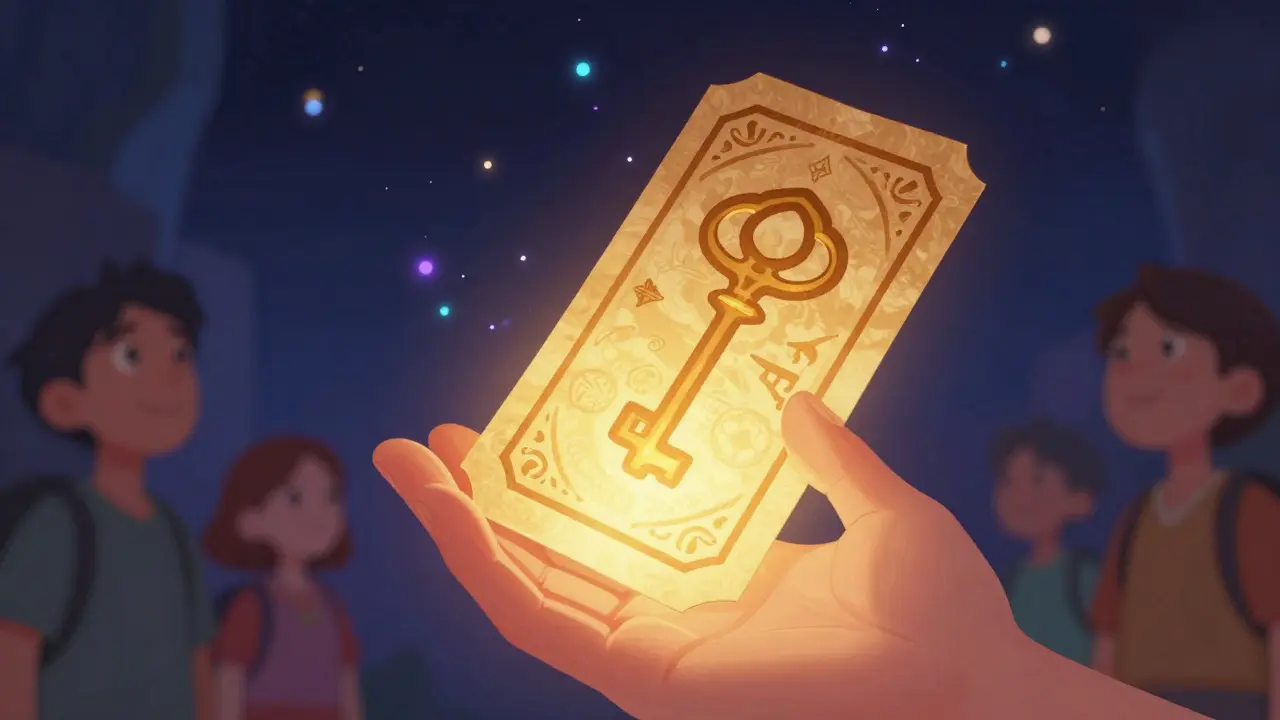
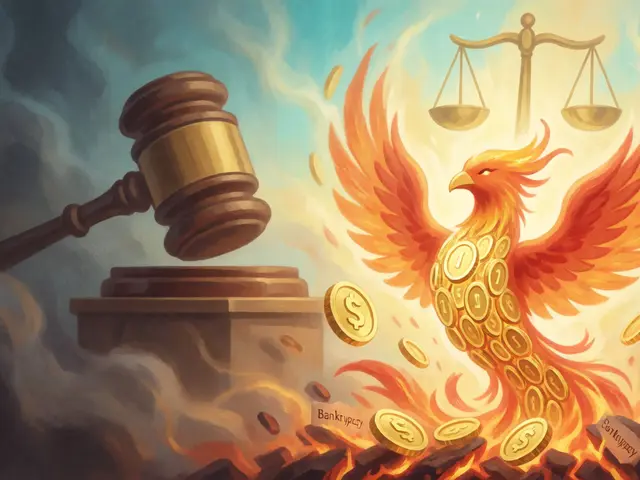
Remember when getting free crypto didn't require you to spend a dime or stake your entire portfolio? That was the vibe behind the FEAR Play2Earn NFT tickets airdrop, a specific token distribution campaign run by FEAR NFT Games in partnership with a leading cryptocurrency data aggregator and exchange platform CoinMarketCap. If you stumbled upon this topic now, you might be wondering if you can still claim your share. The short answer is likely no-the window closed long ago-but understanding how it worked offers valuable lessons for navigating future crypto airdrops in the gaming sector.
This wasn't just a random giveaway. It was a strategic move by a blockchain gaming project trying to build its community before fully launching its ecosystem. By distributing non-fungible tokens (NFTs) that acted as entry tickets to their game, FEAR NFT Games managed to attract attention from both loyal token holders and curious newcomers. Let's break down exactly what happened, how much value was on the table, and why this specific model resonated with the Play-to-Earn (P2E) crowd at the time.
The Core Mechanics of the FEAR Ticket Distribution
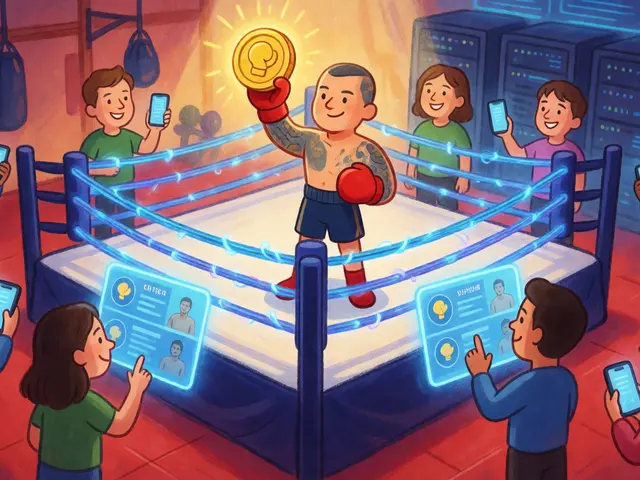
To understand the impact, we need to look at the numbers. The initial campaign distributed 2,000 Play2Earn NFT airdrop tickets. Each of these digital assets held a specific value: 25 FEAR tokens per ticket. This structure meant that recipients weren't just getting a random token dump; they were receiving a bundle of utility within the FEAR ecosystem. The "ticket" aspect suggests these NFTs likely served as keys to access specific game modes, early beta features, or exclusive in-game rewards.
The project team described this initial rollout as a "huge success." In the volatile world of crypto gaming, where user acquisition costs are high, successfully distributing thousands of unique NFTs without major technical glitches or low engagement is a significant feat. It signaled that the infrastructure could handle the load and that the community was eager to participate. For many users, this was their first touchpoint with the FEAR brand, converting casual observers into active participants in the P2E space.
Scaling Up: The CoinMarketCap Partnership
Momentum from the first wave led to a larger follow-up campaign known as FEAR x CoinMarketCap. This second phase significantly increased the stakes, allocating 20,000 $FEAR tokens to be distributed among over 500 winners. At the time of the announcement, this allocation was valued at approximately $30,000 USD. While the total dollar amount might seem modest compared to some massive DeFi airdrops, the context matters. This was a targeted distribution aimed at quality engagement rather than sheer volume of low-value claims.
The deadline for this second campaign was set for September 24, 2021, at 2 PM EST. This timeframe places the event squarely in the height of the 2021 bull market, a period characterized by explosive growth in NFTs and gaming tokens. Participating in an airdrop during this window often required specific actions, such as holding a certain amount of FEAR tokens, completing social media tasks, or simply being selected from a pool of verified users on CoinMarketCap. The collaboration with CoinMarketCap added a layer of credibility, leveraging their massive user base to reach potential players who might not have been following niche gaming projects closely.
Who Was Behind the Project?
FEAR NFT Games is a blockchain gaming project that positioned itself within the broader Play-to-Airdrop trend. Before the airdrops, the project had already completed four funding rounds, raising a total of $1.24 million through token launches, Initial DEX Offerings (IDOs), and additional financing. This capital injection suggested serious intent to build a sustainable product rather than just a speculative token play. At the time of the airdrops, the project maintained a market capitalization of roughly $117.47K, indicating it was still in its early stages of development and adoption.
The strategy was clear: use the airdrops to distribute tokens to both existing holders and new participants testing the gaming platform. By rewarding loyalty while simultaneously inviting new users to try the game for free, FEAR created a dual-engine growth model. Existing holders felt their investment was protected and enhanced by the additional ticket value, while new users got a risk-free way to explore the gameplay mechanics. This approach is common in successful Web3 gaming projects, where community building is as important as the technology stack.
Strategic Intent: Why Distribute Tickets Instead of Just Tokens?
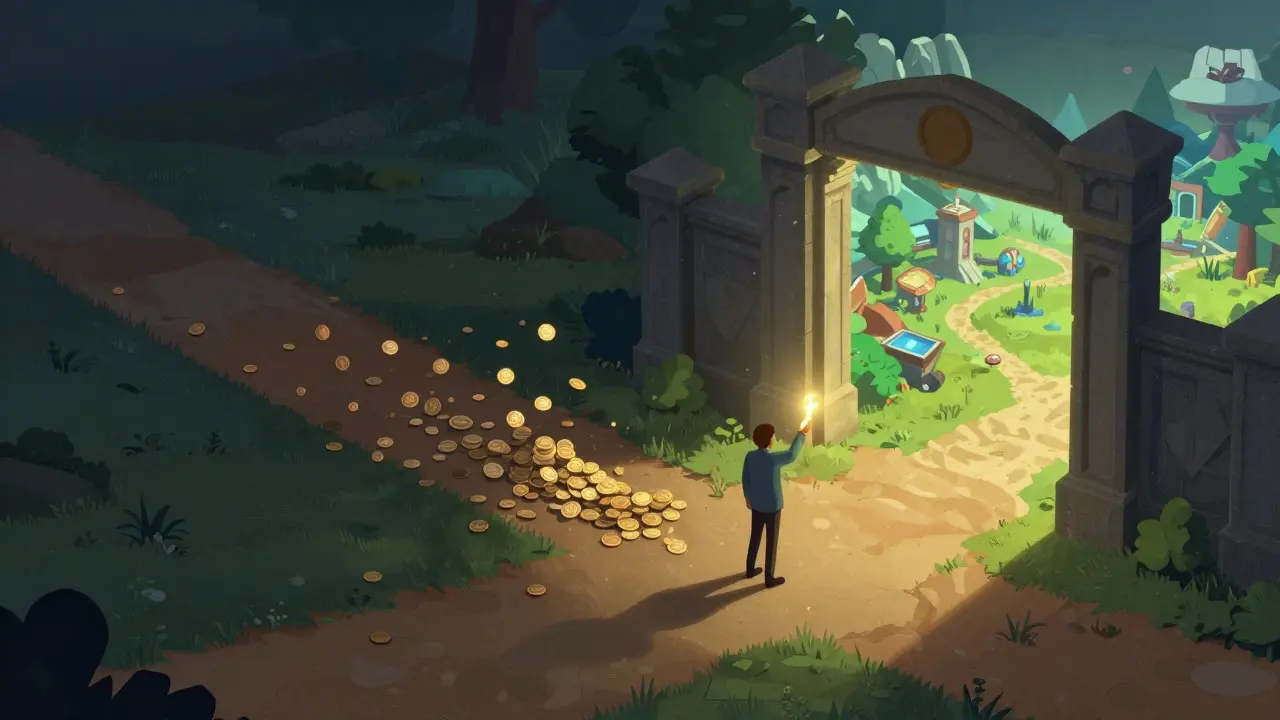
You might ask: why issue NFT tickets instead of just sending raw FEAR tokens to wallets? The answer lies in utility and retention. Raw tokens can be sold immediately, leading to price pressure and little long-term engagement. NFT tickets, however, often require interaction with the game to unlock their full value or to be redeemed. This forces users to actually log in, play, and experience the product. For a gaming company, user activity metrics are far more valuable than short-term token speculation.
Furthermore, the "Play2Earn" label was a powerful marketing hook in 2021. It promised that playing the game would yield financial returns, aligning the interests of the developers (who wanted active players) and the gamers (who wanted income). The airdrop served as the onboarding mechanism for this promise. By giving away the "keys
Alexander Scheel
August 20, 2026 AT 21:21It is truly a marvel of modern efficiency that we can distribute 2,000 digital tickets to a select few while the rest of us watch from the sidelines. The moral imperative here is clear: if you were not chosen, it was likely because your portfolio lacked the necessary virtue. One must appreciate the precision with which these 'tickets' were allocated, ensuring that only the most deserving wallets received their 25 FEAR tokens. It is a testament to the rigorous standards of blockchain gaming. We should all be grateful for such curated generosity.
Evelyn Kula
August 21, 2026 AT 00:16Oh, look at this little scheme! A partnership with CoinMarketCap? Sure, sounds like a legit way to pump and dump on the unsuspecting masses. I bet they are tracking every single click to build a database of gullible Americans. Why do we always fall for these 'Play2Earn' traps? It’s just another way for foreign entities to siphon our hard-earned crypto. Stay vigilant, folks. They are watching you. 👀
Sarah Hafner
August 21, 2026 AT 18:16Hi everyone! Just wanted to add a bit of context here since many people seem confused about the timing. :)
The deadline was actually back in September 2021, so yes, the window is definitely closed now. But what's interesting is how they used NFTs as keys rather than just raw tokens. This forced engagement, which is rare in airdrops where people usually just sell immediately. It shows they cared about active players more than speculators. Hope this helps clarify things! 😊
Susan Kiley
August 21, 2026 AT 20:31One simply *must* appreciate the sheer audacity of calling $30,000 worth of tokens a 'massive' distribution! Truly, the pretension knows no bounds in this sector. 🙄
I have seen far more elegant schemes in my time, but this one has a certain... chaotic charm. To think they raised $1.24 million just to give away scraps to 500 winners? The inefficiency is almost poetic. Yet, here we are, analyzing every micro-movement of their token price like it matters. Ah, the drama of Web3!
Mohamed Shoaeb
August 22, 2026 AT 04:10looking at this from an indian perspective its interesting how they targeted coinmarketcap users
the infrastructure had to handle the load well since they called it a success
i think the dual engine model makes sense for early stage projects
you get loyalty from holders and new faces without risk
its a smart play if the game is actually good
just hope the tech holds up long term
Tasha Davis
August 22, 2026 AT 16:59OMG this is so cool! I love how they made it feel like a ticket to something special instead of just free money! It makes you want to actually play the game right? That is genius marketing! I am so pumped to see what other games do this next! Let's gooo!! 🔥🔥
OLIVER CHRISTIAN
August 24, 2026 AT 11:18so the real question is why did they pick nfts over just sending tokens?
it feels like a retention hack
if you just send tokens people sell them instantly
but if its a ticket you have to log in to use it
that keeps the user base active
which is what any dev really wants
its a philosophical shift in how we view value
is the token the value or the access?
interesting times we live in
Teri W
August 25, 2026 AT 17:55Can we talk about how unfair this was?! I mean seriously who decides who gets the 25 tokens? It feels like a rigged game to me. Just another example of the rich getting richer in crypto land. Ugh, so dramatic but also true. 😤
Rod Sidoroff
August 25, 2026 AT 19:45You clearly don't understand the mechanics of utility tokens versus speculative assets. Most of you are just looking for a quick flip, missing the deeper structural intent behind the NFT gating. It's a lesson in behavioral economics disguised as a gaming perk. If you need hand-holding to understand why retention metrics matter more than immediate liquidity, perhaps you shouldn't be participating in advanced DeFi ecosystems. 📉
Carmene Jackson
August 26, 2026 AT 09:35feels like a lot of hype for such a small amount of money honestly. i remember waiting around for days for these kinds of drops and never hearing anything back. its exhausting trying to keep up with all the different platforms and requirements. just glad i didn't spend any extra money on gas fees for this one. wish there was more transparency on who actually won though.
Jennifer Ulmer
August 28, 2026 AT 08:00I think the collaboration with CoinMarketCap was a solid move for visibility. It helped reach people who might not follow niche gaming news. The fact that they distributed 20,000 tokens to 500 winners means each person got a decent chunk. It seems like a balanced approach to community building without oversaturating the market. Good strategy overall.
Stephanie Millar
August 29, 2026 AT 22:09From a British perspective, one cannot help but admire the sheer scale of ambition here, albeit with a slightly smaller financial footprint than some of the US-based giants. The integration of NFTs as functional game keys is a fascinating evolution of the 'ticket' concept we saw in traditional theatre. It bridges the gap between digital ownership and physical experience in a remarkably seamless fashion. Well done to the team for navigating such complex technical and social dynamics.
Nikki keller
August 31, 2026 AT 16:22Let's look at the bigger picture here. This wasn't just about giving away tokens; it was about establishing a baseline for user acquisition costs in the P2E space. By leveraging an established platform like CoinMarketCap, they reduced the friction for new users significantly. It's a classic growth loop: attract attention, provide low-risk entry, then convert to active players. Pretty standard playbook, but executed with some flair given the early stage of the project.
miranda gamboa
September 1, 2026 AT 15:04Exciting stuff! The key metric here is the conversion rate from airdrop recipient to active player. If they can maintain high DAU (Daily Active Users) post-airdrop, it validates the entire Play2Earn thesis. The $1.24M raise gives them runway to iterate on the game mechanics. Keep an eye on their roadmap updates. This could be a major player in the Web3 gaming space if they nail the UX. Let's grow this community! 🚀
Melissa G
September 3, 2026 AT 08:07The distinction between distributing raw tokens and issuing NFT tickets is crucial for understanding long-term project health. Raw tokens often lead to immediate sell pressure, which can destabilize the price action during critical growth phases. However, by tying value to an NFT that requires interaction, the project effectively filters out pure speculators and retains users who are genuinely interested in the gameplay. This aligns incentives between the developers and the players, creating a more sustainable ecosystem. It is a thoughtful approach to community management that deserves recognition.
Walker Perry
September 5, 2026 AT 05:00Another globalist ploy to dilute our national currency with fake digital scrip!
They think we won't notice the inflation?
CoinMarketCap is just a front for the deep state
Wake up sheeple
The 2000 tickets were just for the insiders
We are being watched
Trust no one
God bless America