Have you ever wondered how some crypto projects manage to get thousands of users holding their tokens before they even launch? It’s not magic; it’s usually an CORA airdrop strategy done right. If you’ve been tracking the DeFi and NFT intersection, you might have come across Corra.Finance. This platform isn’t just another NFT marketplace; it’s trying to gamify decentralized finance. But what about the actual details of their token distribution? Let’s break down exactly how the CORA airdrop works, where to find it, and what you actually get for your time.
What Is Corra.Finance?
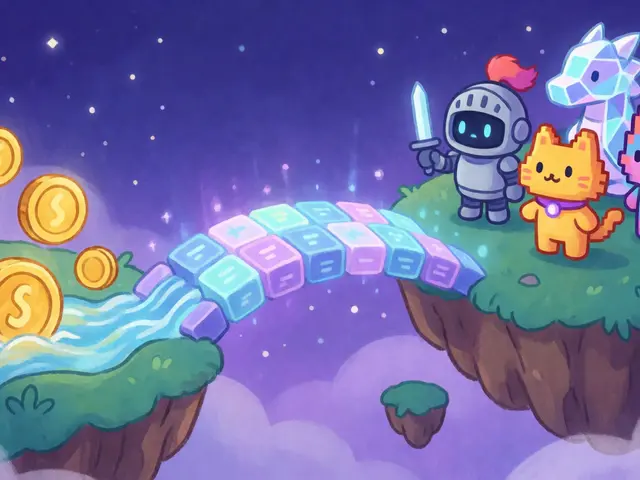
Before we talk about free tokens, you need to know what you’re getting into. Corra.Finance is a plug-and-play platform designed to create NFT products specifically for the DeFi market. Think of it as a bridge between digital collectibles and yield farming. The core idea is simple: enhance existing DeFi yields by attaching exclusive NFTs to them. Unlike platforms that force you to pay gas fees just to list an item, Corra lets you create and list products for free. You only pay fees when an auction successfully sells.
This model lowers the barrier to entry significantly. Most NFT platforms charge upfront costs that can deter casual creators. By removing those initial hurdles, Corra aims to boost interaction between users and DeFi protocols. They categorize their NFTs into four distinct areas: DeFi applications, digital content, social media integration, and non-profit initiatives. This breadth suggests they aren’t just targeting gamers or artists, but anyone with digital assets they want to monetize directly.
The CORA Token Structure
The native token powering this ecosystem is CORA. Understanding its supply is crucial because it dictates scarcity and potential value. The total supply is capped at 10 million tokens. However, the circulating supply has historically been quite low-around 36,180 CORA in early data points. This massive gap between total and circulating supply indicates that a significant portion of tokens is reserved for future development, team allocations, and, importantly, community rewards like airdrops.
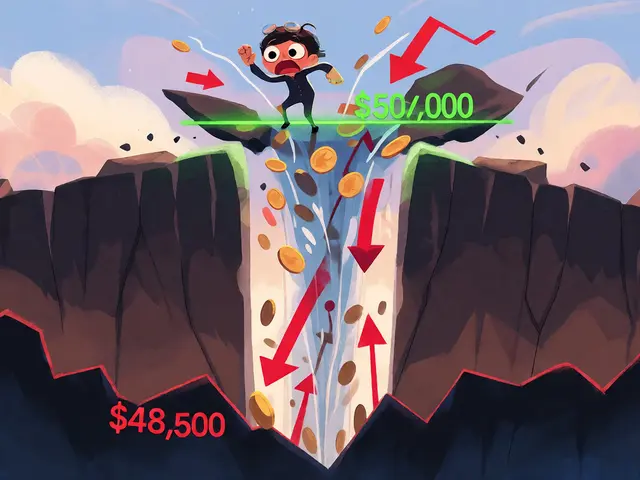
Why does this matter for you? Low circulating supply often leads to higher volatility. When a small amount of tokens is trading on exchanges like Binance or MEXC, price movements can be sharp. For airdrop recipients, this means your "free" tokens could see rapid changes in value, both up and down. Always check the current circulating supply on aggregators like CoinMarketCap before making any decisions based on airdrop valuations.
How the CORA Airdrop Campaigns Worked
Corra didn’t rely on a single method to distribute tokens. They used a multi-pronged approach involving major exchange partnerships and community voting mechanisms. Here is how the primary campaigns were structured:
- MEXC Kickstarter Sessions: This was perhaps the most engaging format. Users contributed USDT to vote for CORA to be listed on the MEXC exchange. In one notable session, users contributed over 87 million USDT. While this wasn't a direct giveaway, participants received CORA tokens as rewards for their participation and voting power. It turned the listing process into a community event.
- CoinMarketCap Airdrops: Recognizing the power of mainstream visibility, Corra partnered with CoinMarketCap. One specific campaign offered 600 CORA tokens distributed among 2,000 winners. This type of airdrop is typically task-based, requiring users to follow social media accounts, join Telegram groups, or retweet posts. It’s designed to build brand awareness quickly.
- Exchange-Specific Promotions: Beyond MEXC, other exchanges like WEEX have hosted promotional events tied to the token's liquidity provision or trading volume milestones.
Claiming Your CORA Tokens: A Step-by-Step Guide
If you participated in these campaigns, claiming your tokens is the next step. Many users fail here because they don’t understand the wallet requirements. Since CORA operates on blockchain infrastructure compatible with Ethereum standards (ERC-20), you generally need a self-custody wallet. Trust Wallet is frequently recommended due to its ease of use and compatibility.
- Download Trust Wallet: Ensure you are using the official app from your device’s store.
- Create a New Wallet: Write down your seed phrase offline. Never share this with anyone.
- Add CORA Token: Search for CORA in the token list. If it doesn’t appear automatically, you may need to add it manually using the contract address provided by Corra.Finance documentation.
- Connect to DApp Browser: Open the DApp browser within Trust Wallet and navigate to the Corra claim portal if a specific link was provided during the airdrop registration.
- Sign the Transaction: You will likely need a small amount of ETH to cover gas fees for the claim transaction. Send a minimal amount of ETH from your exchange to your Trust Wallet first.
Where to Trade CORA After the Airdrop
Once you have claimed your tokens, you might want to cash out or hold. CORA is listed on several major exchanges, which provides good liquidity options compared to smaller altcoins. The presence on top-tier platforms signals legitimacy, but always verify the contract address to avoid fake listings.
| Exchange | Liquidity Status | Key Feature for CORA Holders |
|---|---|---|
| Binance | High Volume Potential | Best for security and fiat on-ramps via P2P. |
| MEXC | Active Community Voting History | Often hosts new listing promotions and Kickstarter-style events. |
| WEEX | Moderate Liquidity | Good alternative for spot trading pairs. |
Binance remains the safest bet for long-term holders due to its robust security infrastructure. MEXC, however, offers more interactive features related to the token's origin story, given their history with the Kickstarter voting model. If you are looking to trade actively, compare the spread on each platform. Spreads can vary significantly for lower-cap tokens like CORA.

The Risks and Reality Check
Let’s be real: not every airdrop turns you into a millionaire. With CORA, there are specific risks you should consider. First, the market data has shown periods of extremely low price movement, sometimes displaying near-zero values on certain trackers due to lack of active buy orders. This doesn’t mean the project failed, but it highlights the importance of timing. Selling during low-volume periods can result in poor execution prices.
Second, the "gamification" angle of DeFi is still a niche sector. While the technology is sound, mass adoption of NFT-enhanced yield farming hasn’t fully exploded yet. Your success depends partly on whether Corra.Finance can onboard enough users to create a sustainable demand loop for their NFTs. Keep an eye on their development updates and user growth metrics rather than just the token price.
Frequently Asked Questions
Is the CORA airdrop still active?
Most major public airdrop campaigns, such as the CoinMarketCap giveaways and MEXC Kickstarter sessions, have concluded. However, new promotional events may occur as the platform expands. Always check the official Corra.Finance social channels for real-time announcements regarding ongoing rewards programs.
Do I need to pay gas fees to receive the CORA airdrop?
Typically, receiving tokens via an airdrop claim requires a small amount of ETH to pay for the blockchain transaction (gas fee). The token itself is free, but the network operation to move it to your wallet is not. Ensure you have a small balance of ETH in your wallet before attempting to claim.
Which wallet supports CORA tokens?
Since CORA is an ERC-20 token, it is supported by all major Ethereum-compatible wallets. Trust Wallet, MetaMask, and Coinbase Wallet are popular choices. Make sure you add the correct contract address to see your balance if it doesn’t appear automatically.
What was the total supply of CORA tokens?
The total maximum supply of CORA is 10 million tokens. A large portion of this supply remains locked or vested for team members, advisors, and future ecosystem incentives, which helps prevent immediate dumping after the initial circulation phase.
Can I sell my CORA airdrop immediately?
Yes, once the tokens are in your wallet and listed on an exchange like Binance or MEXC, you can withdraw them to the exchange and sell them. Be mindful of withdrawal fees and minimum deposit amounts on the exchange side.
Final Thoughts on Managing Airdropped Assets
Holding onto airdropped tokens requires discipline. It’s tempting to treat them as "found money," but they represent a stake in a developing ecosystem. If you believe in the vision of combining NFTs with DeFi yields, holding CORA through market cycles could yield better returns than selling immediately. Conversely, if you prefer risk-free gains, selling half your holdings upon listing allows you to recover your initial effort while keeping a position open for upside potential.
Keep monitoring the Corra.Finance roadmap. As they expand their categories into social media and non-profits, utility for the token may increase. Until then, stay skeptical, verify contracts, and never invest more than you can afford to lose-even if the tokens came to you for free.



John Lewis
September 8, 2026 AT 21:46The breakdown of the circulating supply vs. total supply is actually really important here and often overlooked by people just chasing the hype.
Most folks see '10 million total' and think it's a small cap, but when you realize only ~36k are floating around in early stages, the volatility math changes completely. It means market makers can move price with relatively low capital, which is both an opportunity and a trap for retail investors.
I also appreciate the emphasis on checking contract addresses; fake listings are rampant on smaller exchanges like WEEX or even MEXC sometimes if you aren't careful.
Matthew O'Neill
September 9, 2026 AT 00:44This article reads like pure marketing fluff disguised as analysis. The phrase "gamify decentralized finance" is just corporate speak for "we made a casino."
Let's look at the actual utility: attaching NFTs to yields is a gimmick that has failed repeatedly since 2021. Why would anyone pay gas fees to mint a digital receipt when the yield itself is the product? The correlation between Corra's success and broader DeFi adoption is tenuous at best.
Furthermore, citing Binance listing as proof of legitimacy is naive; Binance lists everything that pays their listing fee. This isn't a bridge, it's a toll booth with extra steps.
Edward Ogunfolaju
September 9, 2026 AT 17:27Stop being so cynical! The energy behind the MEXC Kickstarter session was insane-87 million USDT contributed is no joke!
That kind of community engagement doesn't happen by accident. People saw value in the voting mechanism because it gave them skin in the game before the token even hit the open market.
If you haven't tried the platform yourself, don't dismiss the gamification aspect. Making yield farming feel less like spreadsheet hell and more like an interactive experience is exactly what we need to onboard the next billion users!
Liam Grimes
September 11, 2026 AT 09:16Yeah i agree with edward, the kickstarter thing was pretty cool actually.
Also heads up for anyone trying to claim, trust wallet ui changed recently so finding the dapp browser might be tricky if ur on the new version. Just search for corra finance directly in the browser bar instead of digging through menus.
And yeah check the contract addr, saw some scams popping up last week
Christian Pasamonte
September 11, 2026 AT 13:09It is genuinely frustrating to see articles like this perpetuate the myth that airdrops are free money without acknowledging the massive opportunity cost involved in participating in these campaigns.
When you consider the time spent joining Telegram groups, retweeting posts, managing multiple wallets, and paying gas fees that often exceed the initial value of the airdrop during bear markets, the ROI calculation becomes deeply negative for the average user who isn't actively trading.
Moreover, the reliance on exchange-specific promotions like MEXC Kickstarter sessions creates artificial liquidity events that rarely sustain long-term price stability, leading to immediate sell-offs once the promotional period ends and the vesting cliffs begin to unlock team allocations.
Kathy Siew
September 13, 2026 AT 02:56Oh honey, the "free money" narrative is so cute 🙄 But seriously, do you know how much ETH gas fees have spiked lately? I paid $15 to claim $2 worth of CORA last time.
It’s not about the token value, it’s about the lesson learned: always check gas prices before clicking claim. Otherwise, you’re donating your hard-earned ETH to validators for a token that might go to zero anyway.
Brittany Ross
September 15, 2026 AT 02:39I love the idea of combining NFTs with DeFi! 😍 It makes holding assets way more fun than just staring at charts all day.
My only worry is the complexity for beginners. If my mom had to set up Trust Wallet and add contract addresses manually, she’d probably give up halfway through. We need simpler UX for mass adoption! 🚀
Maegan Rust
September 16, 2026 AT 00:40Brittany hits the nail on the head regarding accessibility. True innovation isn't just about technical capability; it's about lowering the cognitive load for everyday users.
Corra needs to focus heavily on educational content and seamless onboarding flows. If they can make the NFT attachment process feel as intuitive as adding a sticker to a photo, they'll win the mainstream crowd. Until then, it remains a niche playground for crypto natives.
Jennifer Brosnan
September 16, 2026 AT 11:30You're all missing the bigger picture because you're too busy looking at spreadsheets.
The real story here is the centralization risk hidden in plain sight. Who controls the metadata for those "exclusive" NFTs? If Corra.Finance goes down or pivots, your "yield-enhancing" collectible becomes a dead JPEG.
Also, the low circulating supply isn't a feature; it's a red flag indicating heavy insider control. Be skeptical of projects that keep most tokens locked away while hyping scarcity to retail buyers.
Idowu Emmanuel
September 16, 2026 AT 23:20Great points Jennifer! Skepticism is healthy indeed.
However, let us not forget the positive impact of community voting mechanisms like the one on MEXC. They empower users to have a say in listing decisions, which is quite democratic compared to traditional VC-backed launches.
Let's keep encouraging this spirit of participation. Even if the tech has risks, the community building aspect is invaluable for long-term sustainability! 🌟
Finlay Samms
September 18, 2026 AT 07:41Hard to disagree with the skepticism, but also hard to ignore the potential upside. :/
The key seems to be timing. Selling immediately after claim avoids the rug-pull risk but misses the moonshot. Holding requires faith in the roadmap. Both strategies have merit depending on your risk appetite. :)
lea terrade
September 18, 2026 AT 14:37is it though... does nft attached yield really change the fundamental economics of lending pools or is it just cosmetic layering
i feel like we keep reinventing the wheel every cycle
Rachel Leet
September 20, 2026 AT 01:28Cosmetic layering implies superficiality, Lea, but you fail to recognize the psychological utility of ownership.
Humans derive value from perceived uniqueness. By attaching non-fungible attributes to fungible financial instruments, Corra introduces a behavioral economic shift that traditional DeFi protocols lack.
It is not merely about yield optimization; it is about identity construction within a digital economy. To dismiss this as cosmetic is to misunderstand the very nature of value creation in Web3.
Courtney Parker
September 20, 2026 AT 04:30Rachel, you sound like a philosophy major who never left campus. :P
People don't care about "identity construction," they care if their portfolio goes up. If the NFT doesn't pump the bag, nobody cares about the psychology. Simple as that. ;)
Saket Kulkarni
September 21, 2026 AT 17:37It is imperative to approach this analysis with a balanced perspective. While the technological integration of NFTs into DeFi presents novel opportunities, one must remain cognizant of the inherent volatility associated with such emerging sectors.
The historical data suggests that projects relying heavily on gamification mechanics often face challenges in sustaining user retention post-hype cycles. Therefore, prudent investment strategies should prioritize fundamental utility over speculative momentum.
Eliza Stein-Dodd
September 22, 2026 AT 02:35Fundamental utility > Hype. Always. ✅
Check the GitHub activity, not just the Twitter followers. 📉📈
Harish Ramaiah
September 23, 2026 AT 21:05Ugh, the anxiety is killing me!! 😰😰
I claimed mine but now I'm scared to sell because what if it pumps?? And what if I hold and it dumps?? I can't sleep!! 😭😭
Why did they make the circulating supply so confusing?? I just want easy money!!! 😫
Sophie Fitzgerald
September 24, 2026 AT 06:38Harish, breathe. It helps to set limit orders beforehand so you don't have to watch the chart constantly.
Also, remember that airdropped tokens are essentially bonus capital. Treating them as "house money" can reduce the emotional weight of the decision.
Ritchie Grogg
September 25, 2026 AT 07:15Dude, same. I'm sweating bullets over this tiny amount of tokens. lol
But hey, at least we got something for our time, right? Better than nothing. Hope y'all are doing okay amidst the chaos.
Alexander James
September 27, 2026 AT 02:26It is morally questionable to treat these assets as mere gambling chips.
Each token represents a vote for a specific vision of the internet. When you dump immediately, you are signaling a lack of faith in the collective effort. We have a responsibility to support ecosystems that align with our values, not just extract value from them.
Mary Burnett
September 28, 2026 AT 06:40I respectfully disagree with the moralizing tone. Investors are under no obligation to support a project beyond their financial interest.
Furthermore, the distinction between "supporting" and "speculating" is often blurred in crypto. Many participants enter solely for profit, and that is a valid economic behavior. Expecting altruism from retail traders may be unrealistic.