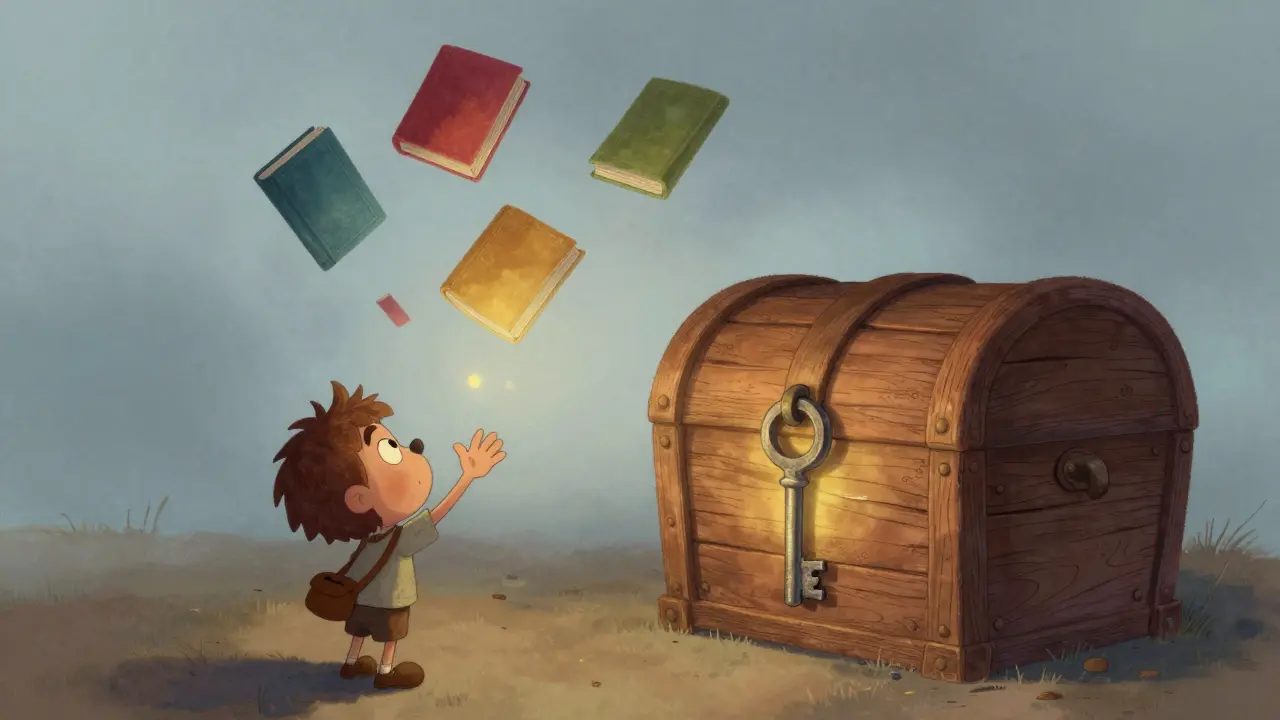
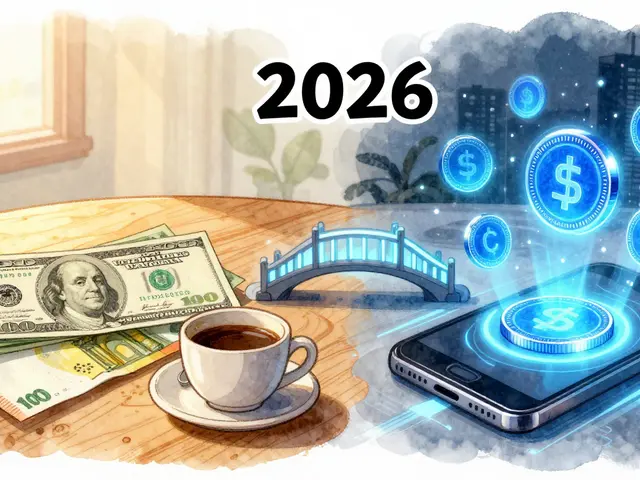
You buy a book on Kindle today, and tomorrow Amazon decides you violated a term of service agreement you didn’t read. Suddenly, your library disappears. Or imagine paying for a song on Spotify, then realizing that stream doesn’t belong to you-it belongs to the company running the app. In the standard digital world, buying something usually means renting access. That changes with Digital Ownership the legal rights and authority a person has over a digital asset, including the freedom to use, sell, or alter it.. When we move this concept onto the Blockchain a distributed ledger technology that records transactions across many computers so that the record cannot be altered retroactively., the rules shift completely. Instead of trusting a central platform, you trust math and code. By March 2026, this shift isn’t just theory; it’s how millions of people manage their online assets.
The Difference Between Access and Ownership
To understand why this matters, look at your phone. If you download a game, do you own the file? Technically, no. You have a license to play it under specific conditions. If the server shuts down, the game vanishes. This centralized model works well for companies because they maintain total control. But for users, it creates a fragile relationship where value sits behind a paywall owned by someone else.
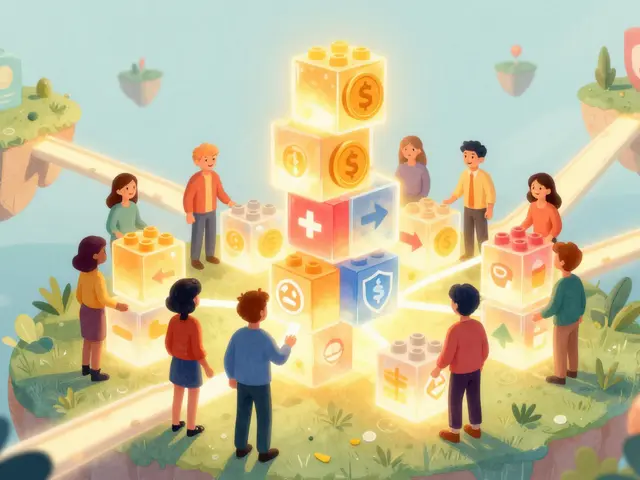
Digital ownership on blockchain solves this by separating the asset from the platform holding it. Imagine owning a piece of art. If it hangs in a museum, you can see it, but you don’t own the canvas. On-chain, the asset exists independently of any single website. It lives on a decentralized network. This means even if a specific marketplace shuts down, your record of ownership remains valid elsewhere. The core distinction lies in custody. In the old web, platforms held custody. With blockchain, you hold custody via private keys.
How Blockchain Verifies Who Owns What
The magic here isn’t just about storage; it’s about proof. A blockchain acts like a public spreadsheet that everyone agrees upon. Every time you acquire or transfer a digital item, the network writes that transaction permanently. There is no CEO who can edit the log. This creates a system of provenance-an unbreakable history of exactly who owned an asset and when.
This verification happens through a process called consensus. Thousands of nodes around the world validate that you actually have the right to send or receive a specific item. Once recorded, that record is immutable. You don’t need a lawyer to check a deed; the network does the checking automatically. For digital goods, this is revolutionary. It turns intangible data into verifiable property rights.
- Transparency: Anyone can verify the ownership of an asset without asking permission.
- Immutability: Records cannot be changed once confirmed.
- Security: Ownership is secured by cryptography, not passwords.
The Role of Non-Fungible Tokens
When people talk about digital ownership, they often mention NFTs (Non-Fungible Tokens) unique digital identifiers stored on a blockchain that represent ownership of a specific item or set of rights.. An NFT is distinct because it cannot be swapped like-for-like. One Bitcoin is equal to another Bitcoin, but one unique collectible is worth more than another based on its traits and history.
NFTs serve as the primary vehicle for this ownership. They wrap digital files-like images, music, video, or even documents-into a token that carries metadata about who owns it. This allows us to tokenize real-world concepts too. A ticket to a concert, a membership pass, or even a diploma can become an NFT. Because the token is on the blockchain, it is portable. You can carry these assets in a digital wallet and move them between different platforms that support the same standard.
In 2026, this interoperability is becoming standard. If you buy a virtual sword in one game, a new protocol might allow you to bring that sword into a different game universe without starting from scratch. Previously, your virtual inventory died when the game servers closed. Now, the item lives in your wallet regardless of the software environment.
Smart Contracts: The Automated Rulebooks
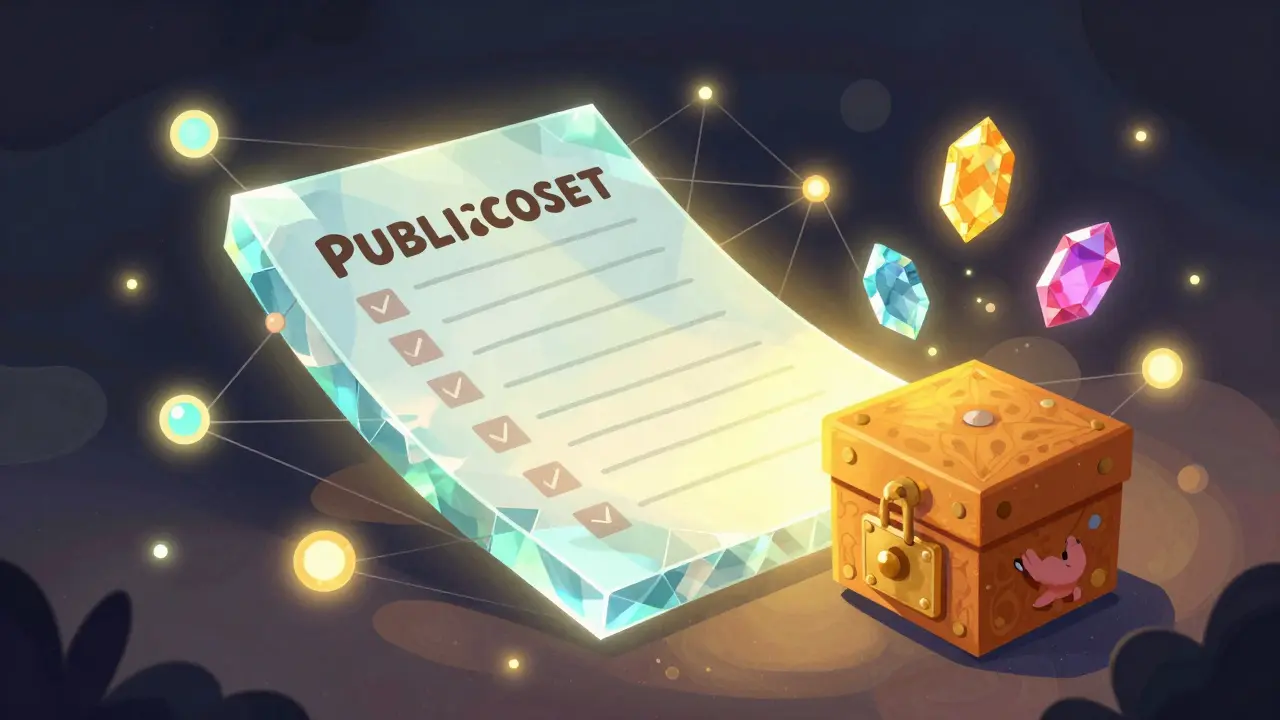
Tokens alone aren’t enough. We need a way to enforce rules about what owners can do. This is where Smart Contracts self-executing contracts with terms directly written into lines of code that run on a blockchain. come in. These aren’t paper agreements you sign; they are programs that execute automatically when conditions are met.
A smart contract dictates how ownership works. For example, an artist might embed a royalty clause into a digital painting. Every time you resell that painting on a marketplace, the code ensures 5% of the sale price goes directly back to the original creator. This automation removes the need for middlemen like auction houses or collection agencies.
| Feature | Traditional Digital License | Blockchain Ownership |
|---|---|---|
| Control | Platform controls access | Owner controls access via key |
| Resale | Often prohibited or restricted | Fully transferable peer-to-peer |
| Royalties | Usually captured by platform | Automated payment to creator |
| Lifespan | Ends if platform fails | Persistent as long as blockchain exists |
These programmable assets open up new business models. Instead of selling a product once, creators can build ecosystems where value grows through secondary markets. If you buy a domain name ending in .crypto or .eth, the smart contract handles the renewal, expiration, and transfer logic. You don’t call customer service to update your details; you interact with the contract using your wallet.
Web3 Identity and Self-Custody
Owning digital assets also means owning your identity. In the current internet (Web2), companies like Google and Meta manage your identity. You use an email and password to prove who you are. This gives those companies massive power over your personal data.
Web3 Identity a system where users authenticate themselves using cryptographic keys rather than centralised accounts managed by third parties. shifts this power to you. You log in with your wallet. No password reset emails. No account lockouts due to security breaches at a server farm. Your wallet address serves as your global login across compatible applications. This creates a seamless experience where you control your own metadata and privacy settings.
This self-custody model extends to DeFi (Decentralized Finance) and DAOs (Decentralized Autonomous Organizations). As you accumulate tokens representing ownership stakes in a project, you get voting rights proportional to your holdings. You are literally a part-owner of the organization's governance. Your influence is backed by the same technology that backs your digital art collection.
Risks of True Ownership
While full control sounds great, it comes with a catch: there is no "forgot password" button. If you lose your private key, your assets are gone forever. You have absolute responsibility for your security. This requires careful management.
We also face new risks in this ecosystem. Phishing attacks now target approval prompts rather than just login pages. Malicious smart contracts can try to drain wallets if you grant excessive permissions. Tools like Revoke.cash help users audit their wallet permissions, ensuring old apps don’t still have access to move your assets. Additionally, not all blockchains are equal. Some networks suffer downtime, which might temporarily delay a trade, though it rarely affects the final balance.
The Future of Value Transfer
By the end of 2026, we are seeing industries adopt this model rapidly. Real estate is moving toward tokenized deeds. Music streaming platforms are beginning to pay listeners in tokens for engagement. The underlying technology is maturing, focusing on user experience rather than just technical infrastructure.
As adoption grows, we will likely see hybrid models emerge. Companies may host content for speed but rely on the blockchain for rights management. This blends the convenience of centralized storage with the security of decentralized ownership. The shift from "renting" to "owning" is reshaping how we think about value itself.
Can I really own a digital file on the blockchain?
Yes, but it depends on the file type. While you own the token representing the asset, the actual file (like an image) might be stored off-chain. However, the ownership rights are cryptographically proven and verifiable on the blockchain ledger.
Do I need a lot of money to start digital ownership?
No. Many blockchains allow free creation of accounts and low-cost minting fees. Layer 2 solutions reduce costs significantly, making entry accessible for most users without needing large investments.
What happens if my wallet is hacked?
If someone steals your private keys, they can move your assets. Unlike a bank, there is no fraud reversal. Prevention is key: use hardware wallets, avoid phishing links, and regularly check transaction permissions using security tools.
Is blockchain ownership legally recognized?
Legal frameworks are evolving. Some jurisdictions recognize token ownership explicitly, while others rely on general property law. Always check local regulations before relying solely on crypto assets for major financial planning.
How do smart contracts protect buyers?
Smart contracts automate agreements, ensuring funds are released only when conditions are met. They can also enforce resale royalties for creators and prevent unauthorized copying or modification of the underlying rules.
Beverly Menezes
March 29, 2026 AT 09:02I am glad to see more people talking about real ownership online. It feels like we are finally getting control back. The idea of losing access to your library is scary. Blockchain seems like the safest option for us. We just need to learn the basics slowly. Everyone deserves to own their digital things.
Cara Boyer
March 30, 2026 AT 03:58the system is watching us :(. they dont want true ownership ever. its all part of the plan to track sales. trust the math not the gov. people are asleep at the wheel. wake up sheeps!)
Justin Garcia
March 31, 2026 AT 20:20stop spreading fear with nonsense. technology evolves regardless of paranoia. you are blocking actual progress with drama. this is not about tracking. it is about secure ledgers. grow up and read the docs.
Samson Abraham
April 2, 2026 AT 05:07custody is the key element of this shift. private keys matter more than platforms. users hold full authority now. no middleman intervention possible.
Liam Robertson
April 3, 2026 AT 11:49That is a strong point indeed. True freedom requires understanding the risks. I am optimistic about the long term. We can build better systems together. People need to trust themselves first.
Katrina Tate
April 5, 2026 AT 08:02Technical debt remains high across many networks. Scalability issues are still present today. Gas fees deter new users frequently. This model is not fully mature yet.
Addy Stearns
April 6, 2026 AT 17:37Ownership is really interesting when you look deeper. Many people think it is just about coins. But true value comes from governance rights. This changes how communities function together. We see shifts in power dynamics happening now. Traditional models relied on central servers. Now we trust code instead of CEOs. This shift takes time for people to understand. Security becomes a personal responsibility daily. Loss prevention strategies need improvement constantly. Education plays a massive role in adoption rates. Without knowledge tools remain unused by users. Infrastructure must support ease of use always. Interoperability ensures assets travel freely. Standards dictate how wallets interact smoothly. We are witnessing a paradigm shift slowly. The future depends on collective adaptation.
Ashley Stump
April 6, 2026 AT 18:08Just another bubble waiting to pop.
Sean Carr
April 8, 2026 AT 13:20You are ignoring the utility gains completely. Real use cases are emerging daily. Smart contracts automate revenue streams efficiently. Focus on what works not fears. Education helps overcome skepticism.
Shaira Vargas
April 8, 2026 AT 22:08I feel so excited yet scared lol. My heart is pounding reading about this. It could change my whole life forever. I want to try it out badly. But losing money hurts too much.
Joy Crawford
April 10, 2026 AT 02:08same here i love the vibe :) it is scarry though :( lets be careful ok
Chris R
April 11, 2026 AT 02:20Global adoption varies significantly by region. Some countries embrace this fast. Others lag due to regulation. Cultural views on property differ widely. We must respect local laws always.
joshua kutcher
April 12, 2026 AT 14:10We should consider community needs first. Individual gain is less important than safety. Helping others learn protects everyone involved. Empathy drives better adoption. Let us support each other through this.
Tiffany Selchow
April 13, 2026 AT 16:52Americans get left behind again. Foreigners seem to win these games. Why do we wait to adopt. Other nations are moving too fast. We need to act now or lose.
Ronald Siggy
April 14, 2026 AT 03:41Stay focused on personal security protocols. Panic does not help anyone succeed. You need a solid plan first. Learn before you invest anything. Discipline wins in the long run.
Shubham Maurya
April 14, 2026 AT 13:42Tech is cool 🔥 but risk is real 🤯. Phishing tries to drain funds constantly. Malicious contracts hide bad code inside. Always check permissions before signing. Stay vigilant always 😉.
Jamie Riddell
April 16, 2026 AT 12:06lets stay calm and learn. fear spreads faster than truth. peace helps everyone think clearly. we need rational discussion here. kindness builds better ecosystems.
Markus Church
April 17, 2026 AT 01:42Regulatory frameworks remain unclear currently. Governments are still drafting policies. Legal recognition varies by jurisdiction. Investors face significant uncertainty. Compliance is a major hurdle. Market stability relies on clarity.
Elizabeth Akers
April 18, 2026 AT 20:57thats why we test small. big moves come later. chill until rules get clear. watch the market trends closely.
Lisa Miller
April 20, 2026 AT 08:06Keep believing in the tech! The journey is worth it. We are building something amazing together. Do not give up hope. Your voice matters in this space.
Michael Nadeau
April 21, 2026 AT 05:33Ownership is a spectrum concept indeed. Control ranges from full to partial. Identity layers complicate the picture further. Philosophically this reshapes human agency. We define ourselves through possessions historically. Now objects define us digitally. The relationship shifts fundamentally.
athalia georgina
April 22, 2026 AT 20:45did u lose yur keys already ???? it happens alot ppl. ur not alone if u messed up. just reset wallet hopefully.
Disha Patil
April 24, 2026 AT 03:05i think its scary but exciting. my feelings are mixed right now. sometimes it feels too risky. but the potential is huge. i will wait and watch.
Zackary Hogeboom
April 24, 2026 AT 11:33Interoperability is the next big hurdle. Games and markets need common standards. Asset portability drives real value here. Protocols must evolve quickly. We need seamless cross-chain movement.