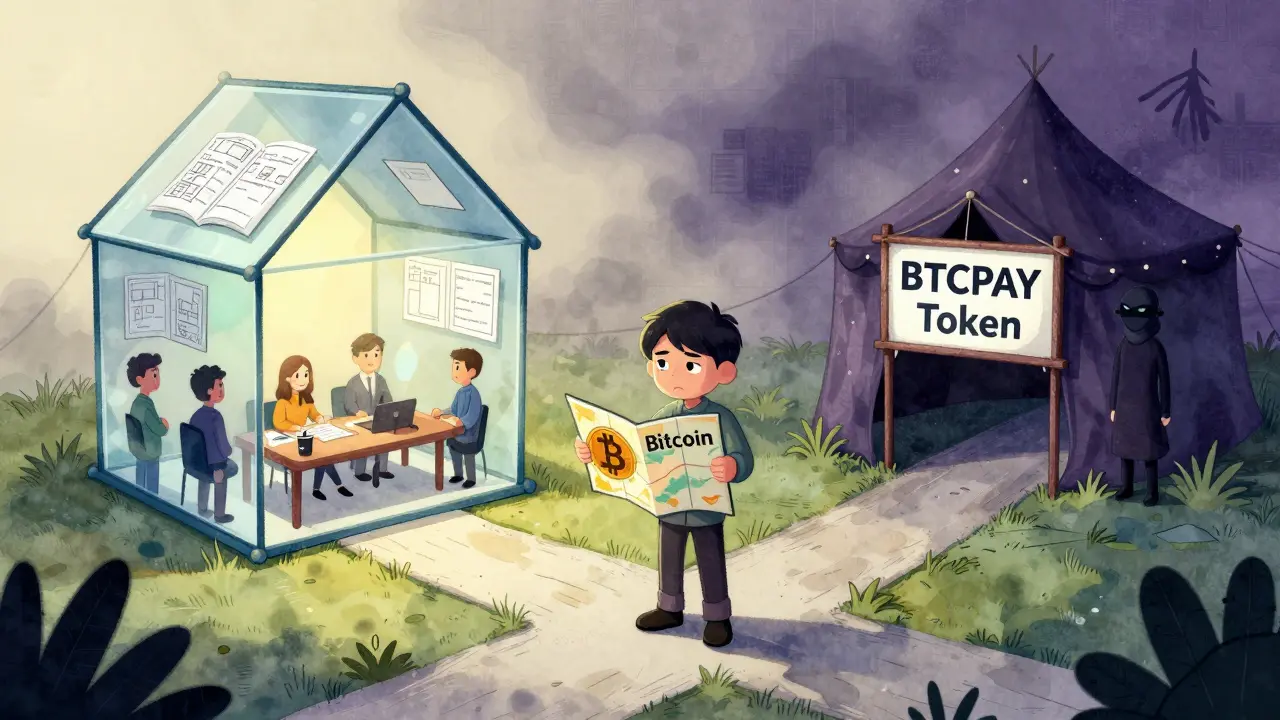
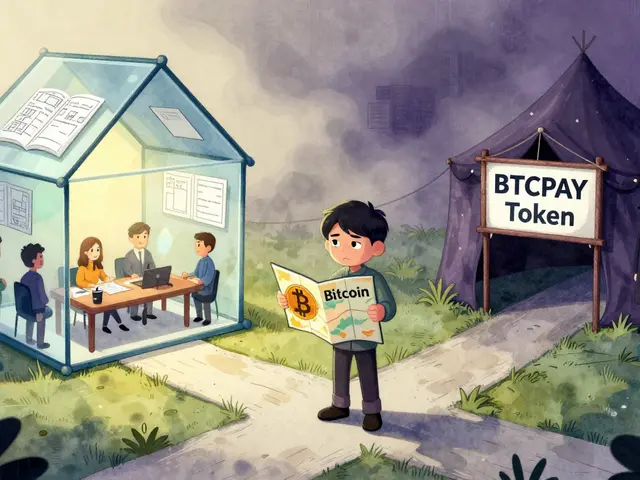
You’ve likely heard of BTCPay Server, the popular open-source tool that lets merchants accept Bitcoin without middlemen. But if you’re looking at a ticker symbol called BTCPAY or reading about "Bitcoin Pay" as a tradable coin, stop right there. You are looking at two completely different things.
This is one of the most common traps in the crypto world. A token named Bitcoin Pay (ticker: BTCPAY) exists on the blockchain, but it has absolutely nothing to do with the software platform BTCPay Server. Confusing the two can lead to significant financial loss and frustration. Let’s clear up the confusion, look at what this token actually is, and why you need to be extremely careful before buying it.
The Critical Distinction: Software vs. Speculative Token
First, let’s define the entities clearly so you never mix them up again.
BTCPay Server is a free, open-source, non-custodial payment processor for Bitcoin. It was launched years ago by developers who wanted to give businesses control over their own payments. Crucially, it does not have a native cryptocurrency token. There is no "BTCPay Coin" associated with this software. You use the software; you don't buy shares in it.
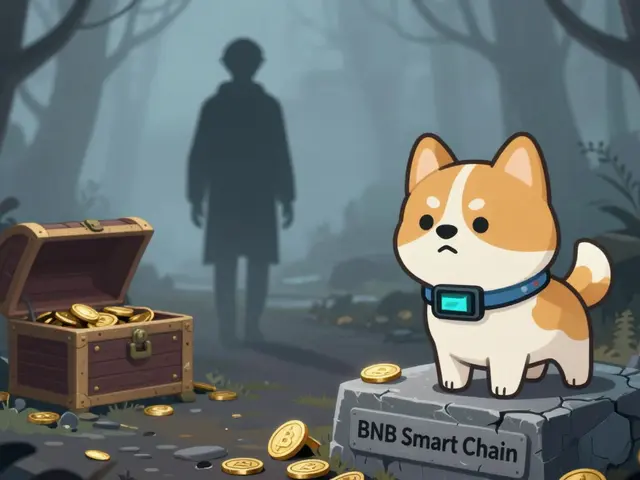
On the other hand, Bitcoin Pay (the token) is a low-cap speculative asset running on the Binance Smart Chain. It uses the ticker BTCPAY. This project markets itself as a "decentralized payment processor" and a "triple-point asset," borrowing heavily from the reputation and naming convention of the legitimate BTCPay Server software to attract attention. However, they are unrelated. One is established infrastructure code; the other is a micro-cap token with questionable utility.
Technical Profile of the BTCPAY Token
If you decide to investigate the Bitcoin Pay token further, you need to understand its technical foundation. It is not built on the Bitcoin network. Instead, it operates as a BEP-20 token on the BNB Smart Chain (formerly known as Binance Smart Chain).
Here is what that means for you:
- Speed and Cost: Because it sits on the BNB Smart Chain, transactions are fast (blocks every ~3 seconds) and cheap (often under $0.10 in gas fees). This is technically true for any BEP-20 token, not just BTCPAY.
- Contract Standards: It follows standard ERC-20-like functions (`transfer`, `balanceOf`, etc.), meaning it behaves like a typical digital currency within wallets like MetaMask or Trust Wallet.
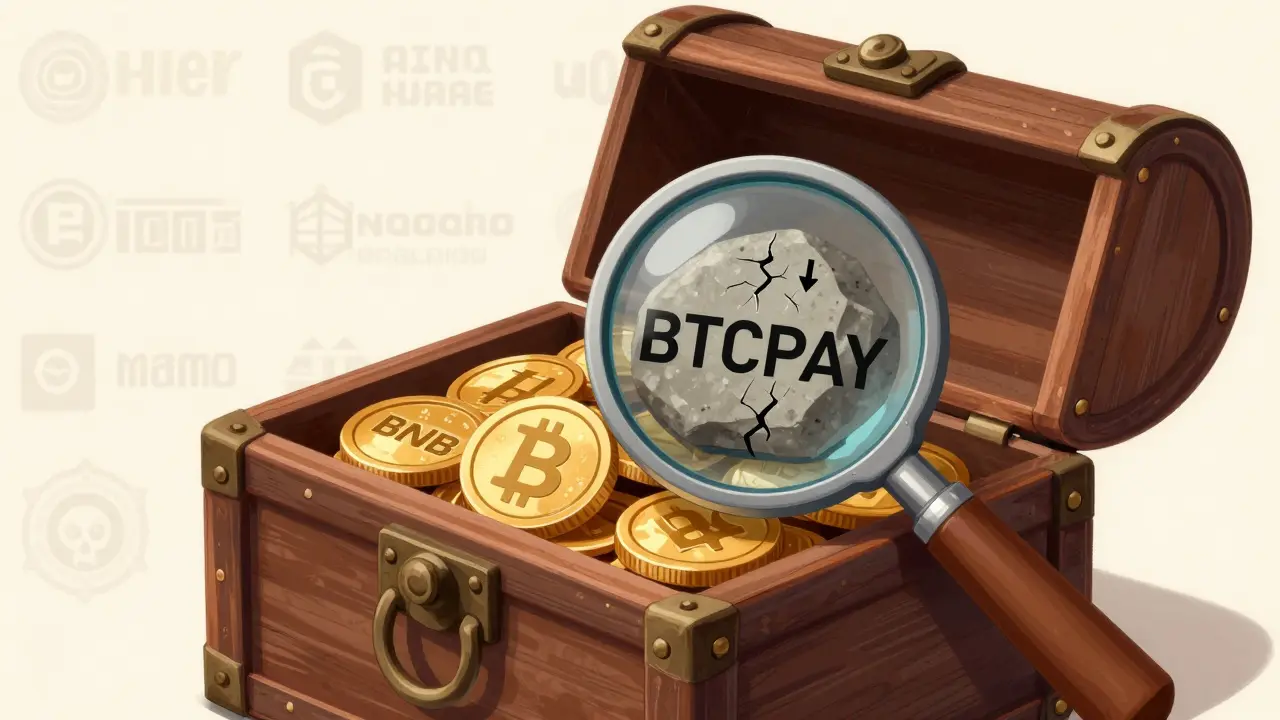
- Liquidity Issues: Despite the fast tech, the actual trading volume is abysmal. As of mid-2026, data from aggregators like CoinGecko shows a 24-hour trading volume of roughly $2.65. Yes, dollars. This indicates extreme illiquidity. If you bought a significant amount, selling it could crash the price due to slippage.
Red Flags: Transparency and Team Identity
In the crypto space, transparency is currency. When evaluating an asset, you look for a whitepaper, a doxxed team (publicly identified founders), and a clear roadmap. Bitcoin Pay fails almost all these checks.
There is no publicly available whitepaper detailing the economic model beyond vague marketing terms like "store of value" and "consumable asset." The founding team remains anonymous. There is no incorporated entity listed on major business registries. When you search for official documentation, you mostly find thin marketing pages that repeat phrases found on CoinGecko, rather than substantive technical guides.
Compare this to BTCPay Server, which has a public GitHub repository with hundreds of commits, active maintainers, and a clear development history. The contrast is stark. For Bitcoin Pay, the silence from developers is deafening. In risk assessment, anonymity combined with low liquidity is often interpreted as a high-risk signal for potential "rug pulls"-where developers abandon the project and drain the liquidity pool.
Market Reality and Adoption
A payment token only has value if people actually use it to pay for things. Does anyone accept BTCPAY?
The answer is effectively no. Major payment gateways like BitPay, Coinbase Commerce, and even the real BTCPay Server do not support the BTCPAY token. It is not listed on any top-tier centralized exchanges (Binance, Coinbase, Kraken). You cannot trade it easily. Your only option is to swap it on decentralized exchanges (DEXs) like PancakeSwap, where the liquidity pools are tiny.
Community sentiment reflects this lack of adoption. On forums like Reddit and Twitter, discussions about BTCPAY are sparse and often cautionary. Many users report being confused by the name, initially thinking it was part of the legitimate BTCPay Server ecosystem. Once they realize the disconnect, the prevailing advice is to avoid it due to the misleading branding and lack of utility.
| Feature | BTCPay Server | Bitcoin Pay (BTCPAY Token) |
|---|---|---|
| Type | Open-Source Software | BEP-20 Cryptocurrency Token |
| Native Coin? | No | Yes (Ticker: BTCPAY) |
| Network | Bitcoin (Lightning Network compatible) | BNB Smart Chain (BSC) |
| Team Transparency | Public GitHub, Active Maintainers | Anonymous, No Clear Entity |
| Adoption | Widely used by privacy-focused merchants | Negligible; no major integrations |
| Risk Level | Low (Free software) | Very High (Speculative asset) |
How to Buy BTCPAY (If You Still Want To)
I am not recommending you buy this token. It carries significant risk. However, if you are determined to proceed for research or speculation purposes, here is how the process works technically. You will need to interact with the BNB Smart Chain ecosystem.
- Set Up a Web3 Wallet: Install a wallet like MetaMask or Trust Wallet on your device.
- Connect to BNB Chain: Configure your wallet to add the BNB Smart Chain network. You’ll need the RPC URL (available via trusted sources like Chainlist).
- Fund with BNB: Buy BNB (Binance Coin) on a reputable exchange and send it to your wallet address. You need BNB to pay for transaction fees (gas).
- Find the Contract Address: Go to a block explorer like BscScan. Search for "BTCPAY" and verify the contract address. Warning: Scammers often create fake tokens with similar names. Double-check the address against multiple sources.
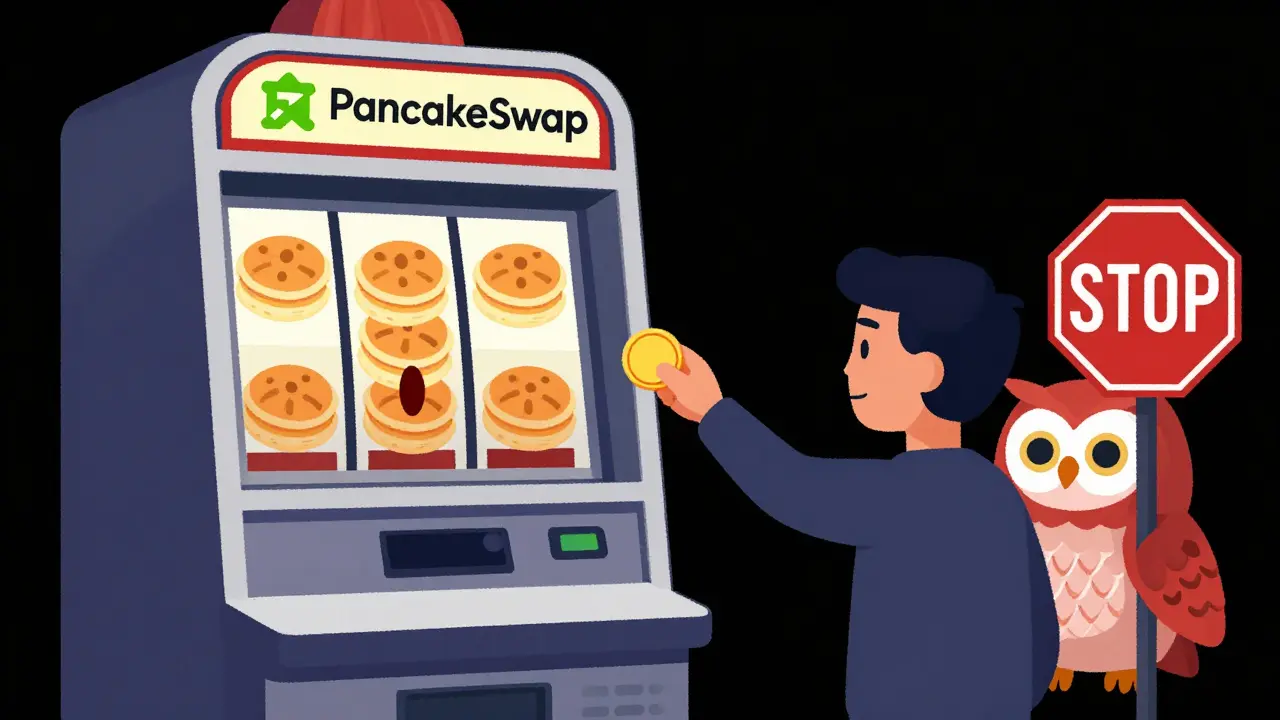
- Use a DEX: Connect your wallet to PancakeSwap. Paste the BTCPAY contract address into the swap interface. Select BNB as the input token and BTCPAY as the output.
- Execute the Swap: Confirm the transaction in your wallet. Be aware of high slippage settings; you may get fewer tokens than expected due to low liquidity.
Regulatory and Security Risks
Because the team behind Bitcoin Pay is anonymous, there is no legal recourse if something goes wrong. Regulators in the US, EU, and UK are increasingly cracking down on unregistered securities and opaque tokens. Without KYC (Know Your Customer) or AML (Anti-Money Laundering) compliance disclosures, holding this token could theoretically pose regulatory issues depending on your jurisdiction, though enforcement against individual holders of micro-caps is rare.
The bigger immediate risk is smart contract security. Has the BTCPAY contract been audited by a reputable firm? There is no public record of such audits. Unaudited contracts can contain hidden functions that allow developers to blacklist addresses, pause transfers, or mint infinite tokens, rendering your investment worthless overnight.
Conclusion: Proceed with Extreme Caution
To summarize, Bitcoin Pay (BTCPAY) is a micro-cap token on the BNB Smart Chain that borrows the name of a respected software project, BTCPay Server, to gain visibility. It lacks real-world utility, has negligible trading volume, offers no team transparency, and provides no unique technological advantage over thousands of other BEP-20 tokens.
If you want to accept Bitcoin payments without fees, use the real BTCPay Server software-it’s free and secure. If you are looking for a speculative investment, be aware that BTCPAY is a high-risk asset with poor liquidity and significant red flags. In the crypto market, when a project relies on confusing branding rather than clear value propositions, it is usually best to walk away.
Is Bitcoin Pay (BTCPAY) the same as BTCPay Server?
No. They are completely unrelated. BTCPay Server is free, open-source software for processing Bitcoin payments and has no token. Bitcoin Pay (BTCPAY) is a separate, speculative cryptocurrency token on the BNB Smart Chain that uses a similar name but offers no connection to the software.
Can I use BTCPAY token to pay for goods online?
Practically speaking, no. There are no major e-commerce platforms or payment processors that accept the BTCPAY token. It is primarily traded on decentralized exchanges like PancakeSwap and lacks real-world merchant adoption.
Where can I buy Bitcoin Pay (BTCPAY)?
You cannot buy it on major centralized exchanges like Binance or Coinbase. You must use a decentralized exchange (DEX) such as PancakeSwap on the BNB Smart Chain. You will need a Web3 wallet (like MetaMask) and BNB to pay for transaction fees.
Who created the BTCPAY token?
The creators of the BTCPAY token are anonymous. There is no public information about the founding team, the legal entity behind the project, or a verified whitepaper. This lack of transparency is a significant risk factor.
Is BTCPAY a safe investment?
It is considered a very high-risk speculative asset. It has extremely low liquidity, no clear utility, and no audited smart contract. Investors should exercise extreme caution and assume they could lose their entire investment.


Matt Davis
May 24, 2026 AT 10:36You are absolutely wasting everyone's time with this fear-mongering drivel. The fact that a token has low liquidity does not mean it is worthless, it simply means the market has not yet discovered its true value potential. People who hide behind 'open source' labels like BTCPay Server are just as guilty of centralization through code dominance as any anonymous developer. It is pathetic how you try to scare people away from speculative assets because you cannot comprehend anything outside your narrow, risk-averse worldview. Stop acting like you are protecting us when you are merely stifling innovation.
Ellie Riddell
May 24, 2026 AT 22:12Oh look, another person screaming into the void about how they're misunderstood geniuses while ignoring basic financial literacy. How refreshing.
Albert Lee
May 25, 2026 AT 12:25I really appreciate how detailed this article is! It’s so easy to get confused in crypto, and having someone lay out the technical differences clearly is a huge relief. I was actually looking at PancakeSwap earlier today and saw that ticker, but something felt off. Thank you for saving me from making a potentially disastrous mistake. It’s great to see community members looking out for each other like this!
Bianca Vilas Boas Lourenço
May 25, 2026 AT 15:30Ugh, can we stop pretending this is even worth discussing? 🙄 It’s literally a rug pull waiting to happen. The audacity of these devs to steal a name is just *chef's kiss* levels of desperate. I’ve seen better scams on my grandma’s Facebook feed. Don’t touch it, don’t look at it, just burn the bridge and walk away. 🔥💸
Yash Lodha
May 27, 2026 AT 12:02The silence of the anonymous team is not an oversight but a deliberate tactical maneuver within the shadow economy. They operate under the radar precisely because the regulatory frameworks of Western nations are designed to crush such decentralized entities. By remaining unidentifiable, they achieve a form of digital sovereignty that the doxxed teams of BTCPay Server could never hope to attain. This is not a lack of transparency; it is a rejection of the surveillance state’s demand for identity. You must understand that the blockchain itself is the only ledger that matters, rendering traditional corporate structures obsolete and vulnerable to the very attacks these 'experts' warn against.
Jesse Alston
May 29, 2026 AT 03:42Hey there! 👋 Just wanted to add a quick tip for anyone still curious about the technical side. If you ever do need to check a contract address on BSC, always use BscScan directly rather than clicking links in social media posts. Scammers often create fake tokens with identical names but different contract addresses. Also, remember that gas fees on BNB Chain are usually very low, so testing with a small amount first is always a good practice if you’re experimenting with DEXs. Stay safe out there! 🛡️🔍
Sarah C
May 29, 2026 AT 15:05This is such a helpful breakdown. I think many people overlook the importance of checking the actual GitHub activity versus just looking at marketing materials. It’s reassuring to know that BTCPay Server has such a solid history. Thanks for sharing this perspective.
Kimberly Herbstritt
May 29, 2026 AT 18:29I mean, sure, it’s risky, but isn’t all crypto risky? Bitcoin itself was once considered a scam by half the world. Maybe this token will be the next big thing. Why are we so quick to dismiss things just because they don’t fit our current narrative?
Sharada Vakkund
May 30, 2026 AT 04:43Let’s bring everyone together here! Whether you’re a fan of open-source software or speculative tokens, the key is education. Let’s support projects that offer real utility and transparency. We can learn from both sides of this debate to make smarter choices in the future. What do you all think about the role of community audits in verifying new tokens?
Sudarshan Anbazhagan
May 30, 2026 AT 10:20It is imperative that one understands the fundamental difference between utility and speculation which is often blurred by the ignorant masses who flock towards shiny objects without due diligence the BTCPAY token lacks any semblance of genuine economic model which renders it fundamentally flawed from inception whereas the server software provides tangible value to merchants globally thus establishing a clear hierarchy of merit in the cryptocurrency ecosystem which should not be ignored by those seeking long term stability
John Gonzalez Bentham
May 31, 2026 AT 22:17lol u guys r so gullible. the whole point of anon teams is freedom. ur worried about rugs but ur own banks rug u every day with fees. buy the dip and laugh at the haters later. typical FUD machine operating here.
Destiny Kilby
June 2, 2026 AT 11:35I have been following the development of payment processors for some time now and it is quite evident that the lack of documentation for the BTCPAY token is concerning. One should always prioritize projects with clear roadmaps and verified teams to ensure safety of funds. The comparison table provided is very useful for understanding the distinctions.
Jerry CUNNINGHAM SR
June 3, 2026 AT 18:28It is important to approach this topic with respect for all perspectives. While the risks associated with the BTCPAY token are significant, we must also acknowledge the innovative spirit that drives the creation of new digital assets. Let us engage in a constructive dialogue about how we can improve transparency across the entire industry rather than simply dismissing projects outright.
Shelby Cantu
June 4, 2026 AT 05:41Great info! Stick to the basics and stay safe.
Tobias Gjerlufsen
June 5, 2026 AT 18:14you idiots dont understand the deeper philosophical implications of decentralized anonymity. the system wants you to trust institutions because they control the narrative. this token is a rebellion against the establishment. wake up sheeple. the liquidity is low because the whales are accumulating before the pump. you are too blind to see the truth because you are enslaved by your fear of loss.
Ankush Pokarana
June 7, 2026 AT 06:39we must consider the nature of trust in digital spaces where visibility does not equate to integrity and invisibility does not necessarily imply malice but rather a choice to operate outside the conventional frameworks that many find restrictive and burdensome the journey of understanding these dynamics requires patience and a willingness to look beyond the surface level indicators that society often prioritizes above all else in their quest for security and validation