Have you heard about YEX, a new cryptocurrency exchange promising easy trading? You might be wondering if it’s legit or just another risky platform. The short answer is that there is almost no credible information about YEX in major industry sources as of May 2026. This silence is a major red flag. When an exchange doesn’t appear on trusted review sites, security reports, or regulatory lists, you should assume it’s unsafe until proven otherwise.
In this review, I’ll walk you through what we know-or don’t know-about YEX. We’ll look at its missing security features, the lack of user feedback, and how it compares to established exchanges like Binance or Coinbase. If you’re thinking of depositing money into YEX, read this first. Your funds could be at serious risk.
The Silence Around YEX Is Loud
When evaluating any crypto platform, the first step is checking for independent verification. Legitimate exchanges are reviewed by security firms, listed on comparison sites, and discussed on forums like Reddit or Trustpilot. For YEX, none of this exists. Major security resources like DataVisor, Chainup, and Hashcodex do not mention YEX. This absence suggests two possibilities: YEX is brand new with zero track record, or it’s a fake exchange designed to steal funds.
DataVisor, a cybersecurity firm specializing in fraud detection, warns that "fake exchanges often have poor security measures or none at all." They note that scammers create platforms that look professional but lack backend safeguards. Without public audits or expert commentary, YEX fits this dangerous profile. You can’t verify what isn’t documented.
Missing Security Features: A Dealbreaker
Cryptocurrency exchanges handle real money, so security isn’t optional-it’s mandatory. Reputable platforms implement multiple layers of protection. Let’s break down what YEX fails to demonstrate:
- Cold Storage: Trusted exchanges like Coinbase keep 98% of user funds in offline cold wallets. This protects assets from online hacks. There is no evidence YEX uses cold storage.
- Multi-Factor Authentication (MFA): MFA requires users to verify their identity via a second device. It’s a basic standard. YEX’s website does not clearly state if MFA is enforced.
- Multi-Signature Wallets: These require multiple private keys to authorize transactions, preventing single-point failures. YEX has not advertised this feature.
- Security Audits: Established exchanges undergo SOC-1 and SOC-2 audits to prove their systems are secure against breaches. No audit reports exist for YEX.
- Insurance Coverage: Platforms like Kraken offer up to $250,000 in FDIC insurance for USD deposits and crypto insurance through Lloyd’s of London. YEX offers no such guarantees.
Without these features, your funds are vulnerable. Hackers target weak platforms constantly. In 2021, cryptocurrency-related crimes reached $14 billion, according to CipherTrace. Most losses came from exchanges with inadequate security. Don’t gamble your savings on an unverified platform.
| Feature | YEX | Binance / Coinbase |
|---|---|---|
| Cold Storage | Not Verified | Yes (98%+ funds) |
| Multi-Factor Authentication | Unclear | Mandatory |
| Security Audits (SOC-2) | No Public Record | Regularly Published |
| Insurance Coverage | None Advertised | Up to $250,000+ |
| User Reviews | None Found | Thousands Available |
Why User Feedback Matters
User experiences reveal the truth behind marketing claims. On legitimate exchanges, you’ll find thousands of reviews on Trustpilot, Reddit, and crypto forums. Users discuss withdrawal speeds, customer support quality, and hidden fees. For YEX, there are zero verified reviews. This is highly unusual for any operational business.
Fake exchanges often disappear after collecting deposits. Scammers use tactics like phishing emails, fake websites, and aggressive social media ads. DataVisor notes that these platforms lack transparency and vanish when users try to withdraw funds. If you can’t find other people talking about YEX, ask yourself why.

Red Flags to Watch For
If you still consider using YEX, look for these warning signs:
- Poor Website Security: Does the site use HTTPS encryption? Check for padlock icons in your browser. Lack of SSL/TLS certificates means your data is exposed.
- Vague Fee Structures: Reputable exchanges publish clear fee schedules. Binance charges around 0.1% for standard trades. YEX has no published fee page.
- Aggressive Promises: Be wary of claims like "guaranteed returns" or "zero fees forever." These are common scam tactics.
- No Regulatory Compliance: Legitimate exchanges follow rules like the FATF Travel Rule for anti-money laundering. YEX shows no sign of compliance.
- Phishing Attempts: Scammers send fake emails pretending to be YEX support. Always verify email addresses manually. Never click links from unknown sources.
Hashcodex emphasizes that strong authentication, cold wallet storage, and real-time monitoring are non-negotiable. If YEX lacks these, it’s not worth the risk.
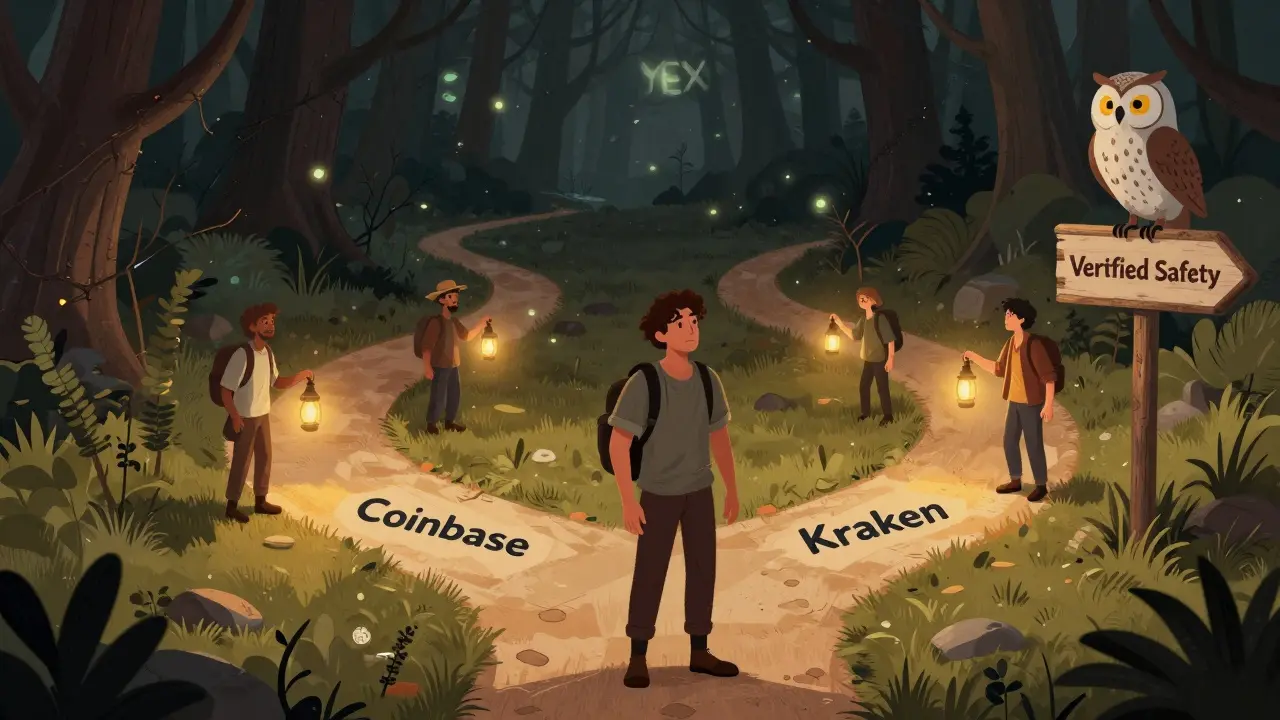
Safer Alternatives for Trading Crypto
You don’t need to take risks with unknown platforms. Several established exchanges offer robust security, low fees, and excellent support:
- Binance: Global leader with high liquidity, diverse trading pairs, and advanced security features including Proof of Reserves.
- Coinbase: Ideal for beginners, publicly traded, and heavily regulated in the US. Offers insured custody solutions.
- Kraken: Known for strong security practices, competitive fees, and transparent audit reports.
- KuCoin: Great for altcoin traders, with multi-signature wallets and regular security updates.
These platforms have years of history, millions of users, and third-party verifications. They invest heavily in security because they must protect their reputation. YEX cannot claim the same.
How to Protect Yourself Online
Whether you choose YEX or another exchange, personal security habits matter. Follow these best practices:
- Enable Two-Factor Authentication (2FA) using an authenticator app, not SMS.
- Use unique, strong passwords for every account. Consider a password manager.
- Store private keys in hardware wallets like Ledger or Trezor for long-term holdings.
- Monitor account activity daily for unauthorized transactions.
- Educate yourself about phishing scams. Verify URLs before logging in.
Shamla Tech advises users to "be cautious when clicking on links or downloading attachments from unknown sources." Apply this rule strictly to any crypto platform.
Final Thoughts on YEX
The lack of information about YEX is not a minor oversight-it’s a critical warning. Legitimate exchanges advertise their security measures proudly. They undergo audits, publish reports, and engage with communities. YEX does none of this. Until you see concrete proof of safety, avoid depositing funds.
Crypto trading involves enough risk without adding unknown platforms to the mix. Stick to verified exchanges with transparent operations. Your financial safety depends on it.
Is YEX a safe cryptocurrency exchange?
There is no credible evidence that YEX is safe. It lacks public security audits, user reviews, and transparent policies. Industry experts warn that unverified exchanges may be scams. Avoid depositing funds until independent verification exists.
What are the risks of using YEX?
Risks include loss of funds due to hacking, operator fraud, or platform shutdown. Without cold storage, MFA, or insurance, your assets are unprotected. Fake exchanges often disappear after collecting deposits.
Does YEX have user reviews?
No verified user reviews exist for YEX on Trustpilot, Reddit, or crypto forums. This absence is a major red flag indicating the platform may not be operational or legitimate.
How can I verify if a crypto exchange is legitimate?
Check for public security audits (SOC-2), cold storage usage, insurance coverage, and regulatory compliance. Look for thousands of user reviews and expert analysis. Reputable exchanges publish detailed security whitepapers.
What are safer alternatives to YEX?
Consider established exchanges like Binance, Coinbase, Kraken, or KuCoin. They offer robust security, transparent fees, and extensive user feedback. These platforms undergo regular audits and comply with global regulations.
Why is cold storage important for crypto exchanges?
Cold storage keeps funds in offline wallets, inaccessible via the internet. This protects assets from online hacks. Major exchanges store over 98% of user funds in cold storage to minimize breach risks.
Can I trust anonymous crypto exchanges?
Anonymous exchanges pose high risks. Without identifiable operators or legal accountability, you have no recourse if funds are stolen. Always choose platforms with transparent ownership and regulatory licenses.
What should I do if I already deposited funds into YEX?
Attempt immediate withdrawal. Monitor your account closely. Enable all available security settings. Report suspicious activity to local authorities and cybersecurity agencies. Do not add more funds.