
Is Millionero Crypto Exchange Safe for European Traders?
If you're looking for a crypto exchange that actually follows European rules, Millionero might be worth your time. Unlike big names like Binance or Kraken that pulled out of parts of Europe to avoid regulation, Millionero built itself around the MiCA framework - the EU’s strict new crypto law that started rolling out in 2024. This isn’t just marketing talk. It means they can’t list privacy coins like Monero after 2027, they require real ID checks, and they have to prove their systems are secure. For European users tired of exchanges that vanish when regulators show up, this matters.
How Millionero Stands Out on Security
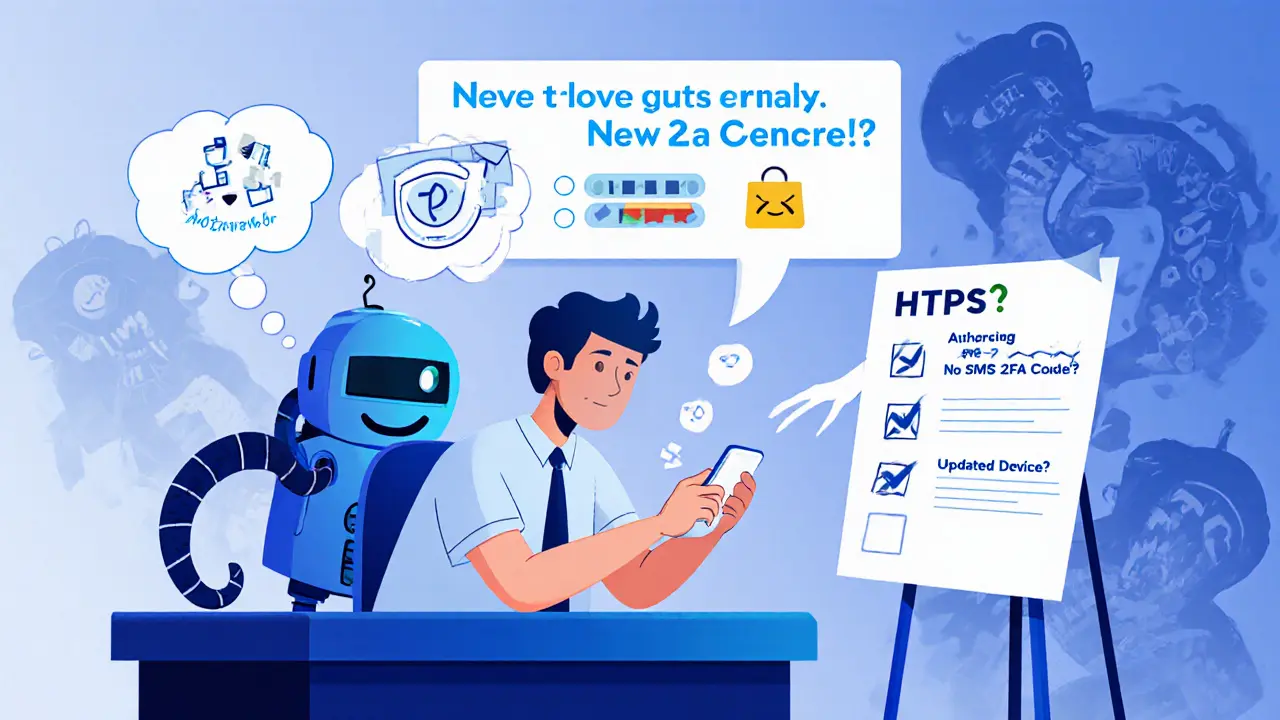
Millionero doesn’t just say they’re secure - they teach you how to stay safe. Their CEO, Syed Suleman Kazim, made a public statement in June 2025 that’s unusual in crypto: “I will never email, WhatsApp, or Telegram you asking for your password or 2FA code.” That’s direct. Most exchanges stay silent until it’s too late. Millionero warned users about fake Telegram groups, phishing emails, and even impersonators pretending to be their team. They didn’t just say “be careful.” They gave exact steps: check for HTTPS and the padlock icon, look for alerts inside your dashboard, use Google Authenticator (not SMS), and don’t rush when something says “act now.”
They require two-factor authentication (2FA), and they actively discourage SMS codes. Why? Because SMS can be hijacked. If you use an authenticator app like Google Authenticator or Authy, you’re much harder to trick. They also enforce KYC - no anonymous trading here. That’s a plus if you want compliance, but a minus if you value privacy. Their system runs on HTTPS across all pages, and they expect you to keep your devices updated. No outdated software. No excuses.
What You Can Trade - and What You Can’t
Millionero offers spot trading and perpetual futures. That means you can buy Bitcoin directly, or bet on its price moving up or down without owning it. This puts them in the same league as Binance and Kraken for active traders. But here’s the catch: they don’t list Monero, Zcash, or any other privacy coin. Not because they don’t want to, but because MiCA bans them starting in 2027. Even now, those coins are already gone from their European services. If you trade privacy coins, you’ll need another exchange - and you’ll lose access to European bank transfers and regulated protections.
They support major coins like Bitcoin, Ethereum, Solana, and Polkadot. But compared to Binance, which lists over 500 coins, Millionero’s selection is narrow. If you’re into niche altcoins or meme tokens, you won’t find them here. This isn’t a weakness if you’re focused on safety and regulation. It’s a trade-off. Fewer coins, but fewer risks.
Fees? They’re Quiet About It
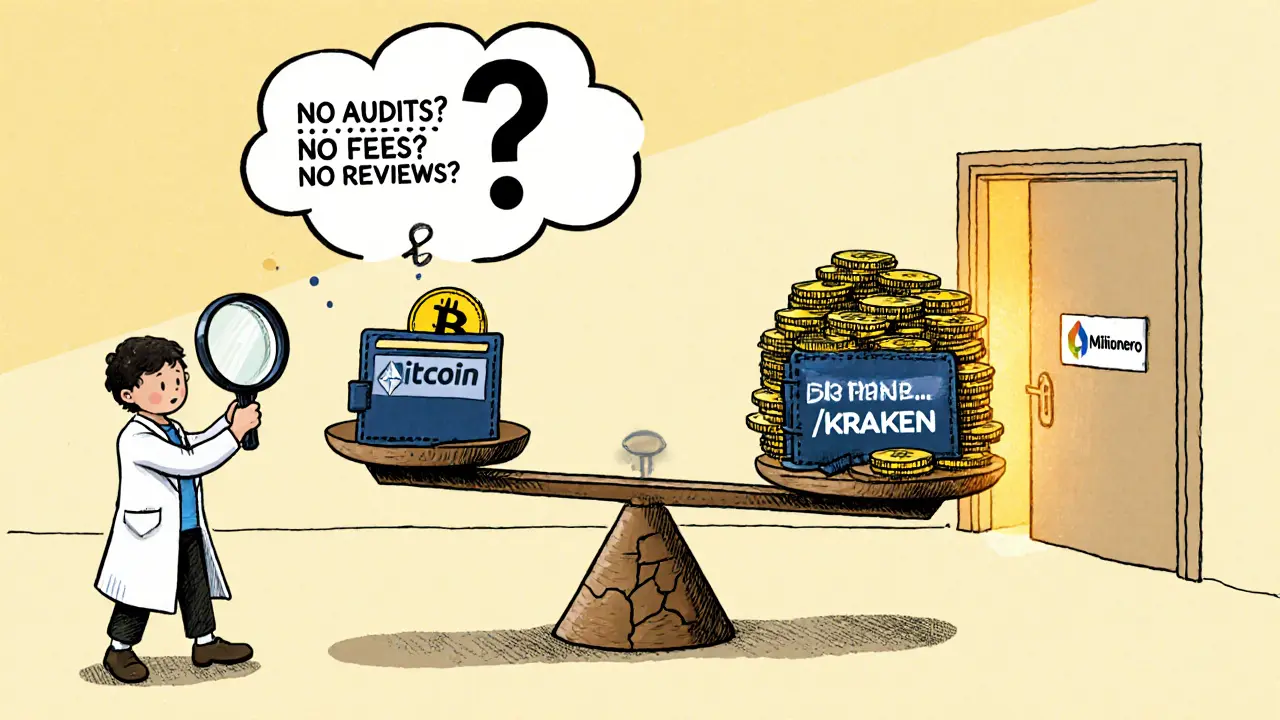
This is the biggest red flag. Millionero says they have “low fees,” but they never say how low. No breakdown. No trading fee percentages. No deposit or withdrawal costs. Not even a range. That’s unusual. Even smaller exchanges like Bitstamp or Bybit publish their fee schedules clearly. Without this info, you can’t compare costs. Are they cheaper than Kraken? Are they worse than Coinbase? You just don’t know. If you trade frequently, this could cost you hundreds a year. Don’t assume “low fees” means “low enough.” Ask them directly before you deposit.
Who Is This Exchange Really For?
Millionero isn’t for everyone. If you’re a beginner looking for simple buying and holding, it’s overkill. If you’re a high-frequency trader needing deep liquidity and 100+ trading pairs, you’ll feel limited. But if you live in Europe and you care about legal protection, clear rules, and security education - this exchange is designed for you.
Think of it like this: Binance is a wild west market with everything and zero rules. Millionero is a clean, regulated store with fewer items but guaranteed quality. You won’t find every coin. You won’t get the lowest fees (until they tell you). But you’ll know where you stand legally. If your money gets stolen, you have more recourse under MiCA than you would on an unregulated exchange.
No Independent Audits - That’s a Risk
Millionero claims to follow MiCA standards. But no third-party company like CertiK, Hacken, or SlowMist has published an audit of their system. That’s a problem. Coinbase, Kraken, and Gemini all release public audit reports. They show their cold wallets are secure, their servers are hardened, and their code is clean. Millionero doesn’t. Their security claims are self-reported. That’s not necessarily bad - new companies often delay audits to save money. But it’s a gap. You’re trusting them based on their word, not proof.
There’s also no data on trading volume. Can you execute large orders without slippage? Do they have enough buyers and sellers? You can’t tell. If you’re trading $10,000+ at once, you might hit liquidity issues. For small traders under $1,000, it’s probably fine. But if you’re serious about volume, you need numbers - and Millionero isn’t giving them.
User Experience: Too Little to Judge
There are no Trustpilot reviews. No Reddit threads. No YouTube unboxings. No Twitter complaints. Nothing. That’s not normal. Even new exchanges get buzz - good or bad. Millionero has none. That could mean they’re too new to have users posting. Or it could mean they’re quiet because they don’t have many users yet. Either way, you’re flying blind on the actual experience. Is the app slow? Is customer support responsive? Do they freeze accounts for no reason? You won’t find answers.
They say they’re “user-friendly for beginners.” But without screenshots, tutorials, or help guides, that’s just a claim. If you’ve never traded before, you might struggle. There’s no demo account. No learning center. No video walkthroughs. You get an interface and a warning about phishing. That’s it.
Bottom Line: Safe, But Unproven
Millionero is one of the few crypto exchanges built from the ground up to follow European law. That’s rare. And valuable. If you live in the EU and want to trade crypto without worrying about regulators shutting you down, this is one of the safest options. Their security advice is some of the clearest you’ll find in crypto. They’re not hiding behind jargon - they’re teaching users how to protect themselves.
But they’re also untested. No audits. No volume data. No fee transparency. No user reviews. You’re betting on their promises, not their track record. If you’re willing to accept that risk for the sake of compliance, it’s worth trying with a small amount first. Deposit $100. Test the withdrawal. See how fast it is. Check if the app works on your phone. See if support replies.
Don’t move your life savings here yet. But if you’re tired of exchanges that vanish when the law changes, Millionero might be the future you’ve been waiting for - if it survives long enough to prove itself.
Is Millionero a legitimate crypto exchange?
Yes, Millionero is a legitimate exchange registered in Saint Vincent and the Grenadines and designed to comply with the EU’s MiCA regulation. It’s not a scam, but it’s also not independently audited. Its legitimacy comes from its regulatory alignment, not third-party verification.
Can I trade Monero on Millionero?
No. Millionero does not list Monero or any other privacy coin. This is due to MiCA regulations, which ban regulated exchanges in Europe from offering crypto-assets with anonymization features. Even if you’re outside Europe, the platform has removed these coins entirely.
Does Millionero have low fees?
Millionero claims to have “low fees,” but they haven’t published any fee schedule. There’s no information on trading fees, deposit costs, or withdrawal charges. Until they disclose this, you can’t compare their pricing to other exchanges.
Is SMS 2FA safe on Millionero?
No. Millionero explicitly advises against using SMS for two-factor authentication. They say SMS is vulnerable to SIM-swapping and phishing. Instead, they require users to use authenticator apps like Google Authenticator or Authy for better security.
Is Millionero better than Binance or Kraken?
It depends. If you’re in Europe and care about legal compliance, Millionero is better - it’s built for MiCA. But if you want more coins, higher liquidity, lower fees, or advanced tools, Binance and Kraken are still stronger. Millionero trades safety and regulation for scale and features.
Should I use Millionero as my main exchange?
Only if you’re comfortable with limited information. Use it for small trades while you learn. Don’t store large amounts there yet. Wait until they release audit reports, fee details, and user reviews. For now, treat it as a secondary exchange - not your primary wallet.





Jay Weldy
December 2, 2025 AT 04:17Melinda Kiss
December 4, 2025 AT 01:22Christy Whitaker
December 5, 2025 AT 21:50Nancy Sunshine
December 7, 2025 AT 06:57Alan Brandon Rivera León
December 8, 2025 AT 20:55Ann Ellsworth
December 10, 2025 AT 13:41Ankit Varshney
December 12, 2025 AT 03:52Ziv Kruger
December 12, 2025 AT 11:47Heather Hartman
December 13, 2025 AT 10:35Catherine Williams
December 13, 2025 AT 13:55Paul McNair
December 13, 2025 AT 17:37Mohamed Haybe
December 14, 2025 AT 22:39Marsha Enright
December 15, 2025 AT 01:49Andrew Brady
December 16, 2025 AT 06:04Sharmishtha Sohoni
December 16, 2025 AT 10:21