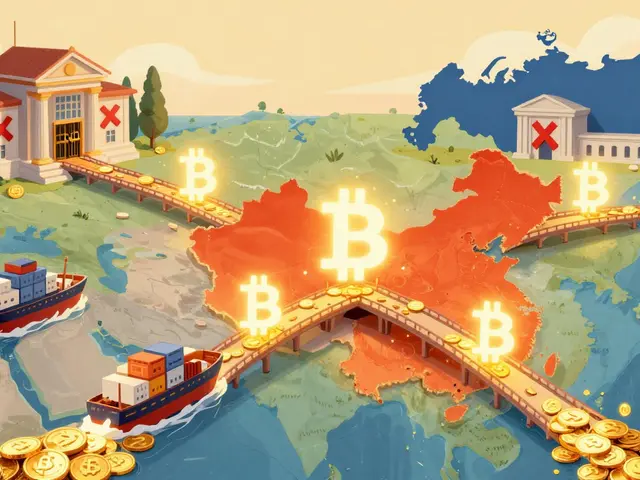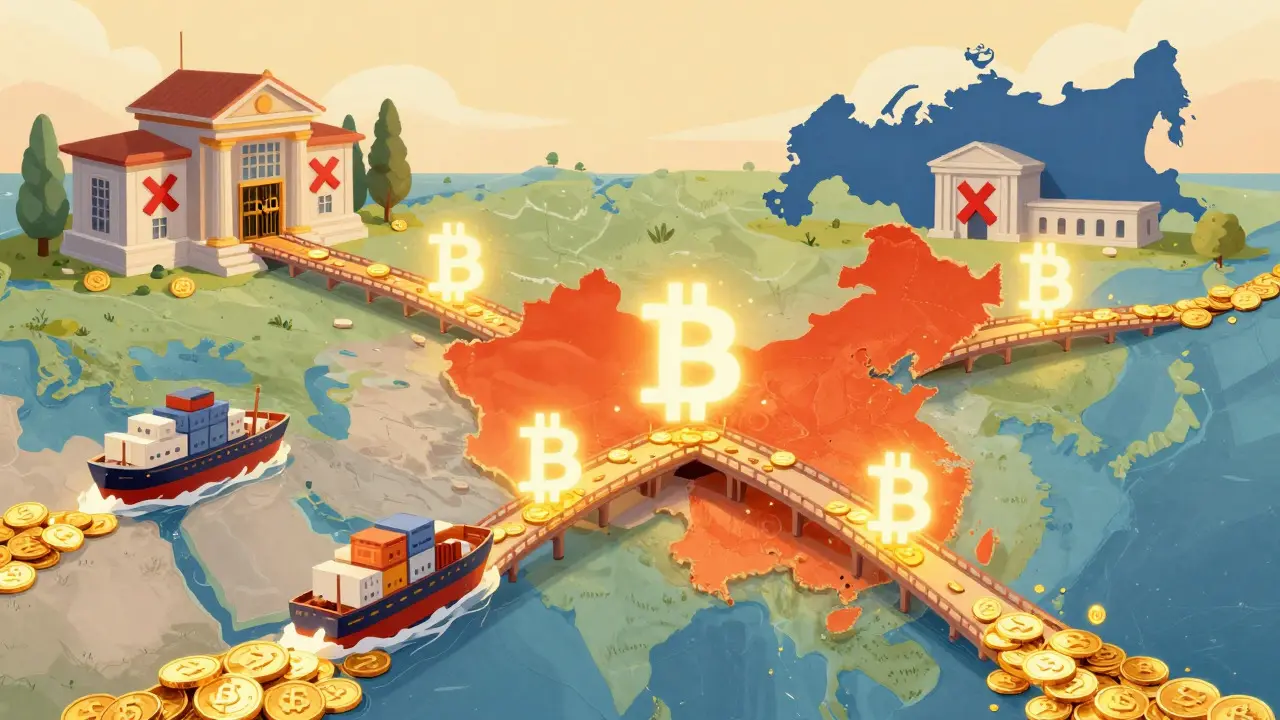
Imagine trying to buy machinery from China or raw materials from Russia while your country’s banks are cut off from the global financial system. For Iranian importers, this isn’t a hypothetical nightmare-it’s daily reality. Traditional banking channels like SWIFT are blocked, and dollars are scarce. So, how does the goods flow? The answer has shifted dramatically in recent years: Bitcoin and other cryptocurrencies have become the lifeline for international trade.
This isn’t just about tech enthusiasts buying digital coins on weekends. It is a state-sanctioned, industrial-scale strategy designed to bypass decades of international sanctions. By turning its vast energy reserves into digital currency, Iran has created a parallel economy that allows it to import essential goods without touching the U.S. dollar-dominated banking network.
The Dual Regulatory Framework: Mining Yes, Spending No
To understand how this works, you first need to grasp the unique rules set by the Central Bank of Iran (CBI). The CBI has implemented a strict dual framework that often confuses outsiders. On one hand, domestic payments using cryptocurrency are prohibited. You can’t walk into a Tehran bakery and pay for bread with Bitcoin. On the other hand, licensed mining is not only allowed but encouraged as an export industry.
The logic is simple: Iran wants the foreign exchange value that crypto represents, but it doesn’t want the volatility disrupting its local currency, the rial. Licensed miners sell their mined coins to authorized entities, which then use them to settle international trade debts. This creates a controlled pipeline where crypto acts as a bridge between Iran’s isolated economy and the global market.
- Mining: Legal and heavily regulated. Requires licenses from the Ministry of Industry and electricity quotas from the Iran Power Generation Company.
- Domestic Payments: Prohibited. Using crypto for local retail transactions violates currency control laws.
- Cross-Border Trade: Permitted for specific imports. Transactions must be documented and approved by the CBI to ensure they serve national economic interests.
This structure ensures that the government maintains tight oversight. Every movement of significant crypto assets is tracked through Anti-Money Laundering (AML) and Know-Your-Customer (KYC) protocols enforced by the Iran Cyber Police (FATA).
The Role of the IRGC and State-Linked Mining Farms
If you think this is driven solely by private entrepreneurs, think again. The most powerful player in Iran’s crypto landscape is the Islamic Revolutionary Guard Corps (IRGC). Since around 2019, the IRGC and entities linked to Supreme Leader Ali Khamenei have aggressively expanded into crypto mining. Why? Because it provides a way to earn hard currency-specifically Bitcoin-without relying on oil exports, which are themselves subject to heavy sanctions.
Consider the massive 175-megawatt Bitcoin mining farm in Rafsanjan, located in Kerman province. Ostensibly a joint venture with Chinese investors, this facility is deeply tied to IRGC-linked enterprises. These farms benefit from rock-bottom electricity tariffs, effectively subsidized by the state. In some cases, these operations run on dedicated power feeds that bypass the civilian grid entirely.
| Entity Type | Primary Goal | Regulatory Status | Key Advantage |
|---|---|---|---|
| Private Miners | Profit generation | Licensed but restricted | Access to industrial electricity rates |
| IRGC Farms | Sanctions evasion & revenue | State-backed impunity | Minimal scrutiny, dedicated power infrastructure |
| Importers | Procuring goods | CBI-approved transactions | Bypassing SWIFT and dollar shortages |
The scale of this operation is staggering. Analysts estimate that Iran produces nearly five percent of all new bitcoins globally. With over 10,000 mining farms licensed by 2022, the sector is projected to generate $1.9 billion in revenue by the end of the forecast period. This isn’t just side income; it’s a strategic pillar of the nation’s financial survival.
How Imports Actually Work: From Crypto to Cargo
So, how does a shipment of medical supplies or automotive parts actually get paid for? The process is complex and highly centralized. It doesn’t involve a buyer sending Bitcoin directly to a seller’s wallet in a peer-to-peer transaction. Instead, it flows through a bureaucratic funnel.
- Authorization: An Iranian importer identifies a need for foreign goods. They apply for approval through the Ministry of Industry and the CBI.
- Funding: Approved funds are allocated, often sourced from the proceeds of state-linked mining operations or licensed private miners selling their output.
- Conversion: The crypto is converted into stablecoins or fiat currencies at authorized exchanges. As of early 2025, the CBI ordered the closure of direct rial payment gateways for exchanges, forcing all conversions through licensed channels to prevent capital flight.
- Settlement: The payment is made to the foreign supplier, often via smart contracts or traditional wire transfers once the crypto has been liquidated outside Iran.
A landmark moment occurred when Iran executed its first documented $10 million import order using cryptocurrency. This transaction proved that the theoretical model worked in practice. Since 2018, Iranian firms, including those affiliated with the IRGC, have processed billions of dollars in transactions through platforms like Binance to move value out of the country.
Diplomatic Alliances: Building a Crypto Trade Network
Iran isn’t doing this alone. Recognizing that bilateral trade requires mutual trust and compatible systems, Tehran has actively sought partners who also face Western financial pressure. The most notable example is Russia.
In November 2018, Iran and Russia signed a bilateral agreement on cryptocurrency cooperation. This wasn’t just symbolic; it laid the groundwork for settling trade imbalances using digital assets. Shortly after, Iran’s Trade Promotion Organization negotiated crypto payment frameworks with seven other countries, including Austria, Germany, France, and South Africa. While not all these partnerships have flourished equally, the intent was clear: build a shadow financial network that operates independently of the U.S. dollar.
This diplomatic push aligns with broader geopolitical shifts. Countries like Russia, also facing severe sanctions, see value in decoupling from traditional banking. By trading in crypto, they reduce their exposure to Western financial leverage. For Iran, this means access to technology and goods that would otherwise be embargoed.

The Hidden Cost: Energy Crisis and Grid Strain
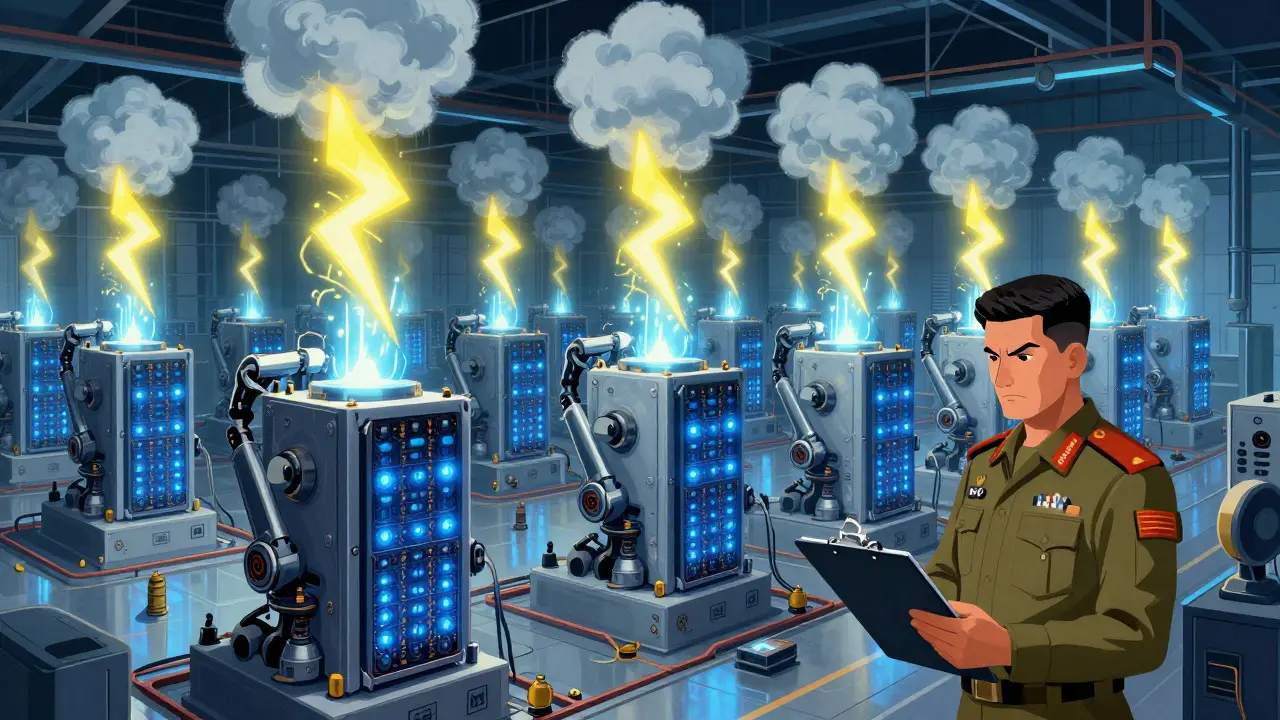
There is no free lunch, especially when it comes to Bitcoin mining. The process is energy-intensive, requiring specialized ASIC miners that consume electricity on an industrial scale. In Iran, this has triggered a national crisis.
During summer months, cities across Iran experience debilitating power outages. Homes go dark, factories idle, and hospitals struggle. Investigations point to large, state-affiliated mining operations as a major culprit. Organizations like Astan Quds Razavi, a religious foundation with ties to the IRGC, have been accused of forming a "crypto cartel" that diverts national electricity for profit.
These miners often ignore bills or receive effectively free energy due to political connections. Meanwhile, ordinary citizens and small businesses suffer. The government has tried to crack down, arresting illegal miners using subsidized household electricity in 2021. But the big players remain protected. This tension between economic gain and social stability is the biggest threat to Iran’s crypto strategy. If the grid collapses completely, even the best sanctions-busting tool becomes useless.
Challenges for Businesses and Future Outlook
For foreign businesses looking to trade with Iran, the crypto route offers opportunity but also significant friction. Transactions are slower than traditional banking because they require multiple layers of approval. Compliance risks are high, as dealing with sanctioned entities can lead to secondary sanctions for non-Iranian companies.
Price volatility remains another hurdle. Bitcoin’s value can swing wildly, making budgeting difficult for importers. To mitigate this, many convert crypto to stablecoins immediately upon receipt. However, this adds complexity and requires sophisticated technical infrastructure.
Despite these challenges, the trend is irreversible. With $4.18 billion worth of cryptocurrencies leaving Iran by 2024-a 70% increase from the previous year-the data speaks for itself. Crypto has moved from a niche experiment to a core component of Iran’s trade policy. As long as sanctions persist, Bitcoin will remain Iran’s most effective tool for staying connected to the global economy.
Can regular Iranians use Bitcoin for daily purchases?
No. The Central Bank of Iran prohibits domestic payments using cryptocurrency. While individuals can own and mine crypto, using it to buy goods or services locally is illegal under current currency control laws. Crypto is primarily reserved for cross-border trade and investment.
How does the IRGC benefit from crypto mining?
The IRGC benefits by earning Bitcoin, which serves as a form of hard currency immune to U.S. sanctions. By operating large-scale mining farms with subsidized electricity, they generate revenue that can be used to fund operations or purchase imported goods without going through traditional banking systems.
Is it safe for foreign companies to accept crypto from Iranian importers?
It carries significant risk. While the crypto itself may be clean, the source of funds and the identity of the buyer are critical. Foreign companies must conduct rigorous due diligence to avoid secondary sanctions. Most transactions are routed through third-party intermediaries or stablecoins to obscure the origin, adding legal complexity.
Why does Iran allow mining if it strains the power grid?
Iran views crypto mining as an export industry similar to oil. Despite the strain on the grid, the revenue generated from selling mined Bitcoin helps offset the loss of oil exports due to sanctions. The government prioritizes this economic benefit, often shielding large state-linked miners from enforcement actions.
What role do stablecoins play in Iran's trade?
Stablecoins act as a buffer against Bitcoin's volatility. Importers and exporters often convert mined Bitcoin into stablecoins like USDT before settling trades. This ensures the value of the payment remains constant during the transaction process, reducing financial risk for both parties.