
Imagine walking into a clinic in Perth, handing over your phone, and letting the doctor see your entire medical history instantly. No waiting rooms for paperwork. No lost forms. This isn’t science fiction anymore. By March 2026, the friction we used to face when switching doctors is disappearing. The real shift happening right now isn’t just about better apps; it’s about who owns the data.
For years, hospitals hoarded medical records behind closed doors. If you moved cities, your history vanished. Now, Blockchain in Healthcare serves as a decentralized ledger system that secures patient data integrity through cryptographic protocols. It ensures that information stays accurate, accessible, and impossible to tamper with. We are moving past the hype phase of 2025. The technology is finally hitting the operational floor.
The Shift to Patient-Owned Identity
The biggest change in 2026 is that patients hold the keys. Previously, hospitals owned your file. Today, you do. Systems using Decentralized Identifiers (DIDs) let you create a digital identity separate from any specific institution. Think of it like a passport for your health data.
DIDs allow patients to grant temporary access to specialists without giving away their whole history.
Mayo Clinic has been piloting these models for some time, but 2026 brings full deployment. Patients can share specific lab results with a dermatologist while keeping mental health records hidden from other providers. Every view of that record gets logged on the chain. You know exactly who looked at your data and when. This transparency builds trust, which was broken by too many centralized database breaches in the past.
How AI and Blockchain Work Together
You hear a lot about Artificial Intelligence diagnosing diseases faster than humans. That sounds great until you realize AI needs massive amounts of data to learn. If that data is messy or insecure, the diagnosis is useless. This is where blockchain fits in.
Blockchain acts as the guardrail. It verifies that the data fed into AI models hasn’t been altered. When an AI algorithm predicts a heart condition based on your vitals, you need to know those vitals are authentic. In 2026, the industry combines these technologies. The synergy between AI and blockchain ensures data reliability while accelerating pattern detection.
This partnership solves two problems:
- Data Integrity: Blockchain prevents bad actors from feeding false data into diagnostic tools.
- Privacy: Patients can consent to having their anonymized data used for training AI without exposing their identity.
Solving the Drug Supply Chain Crisis
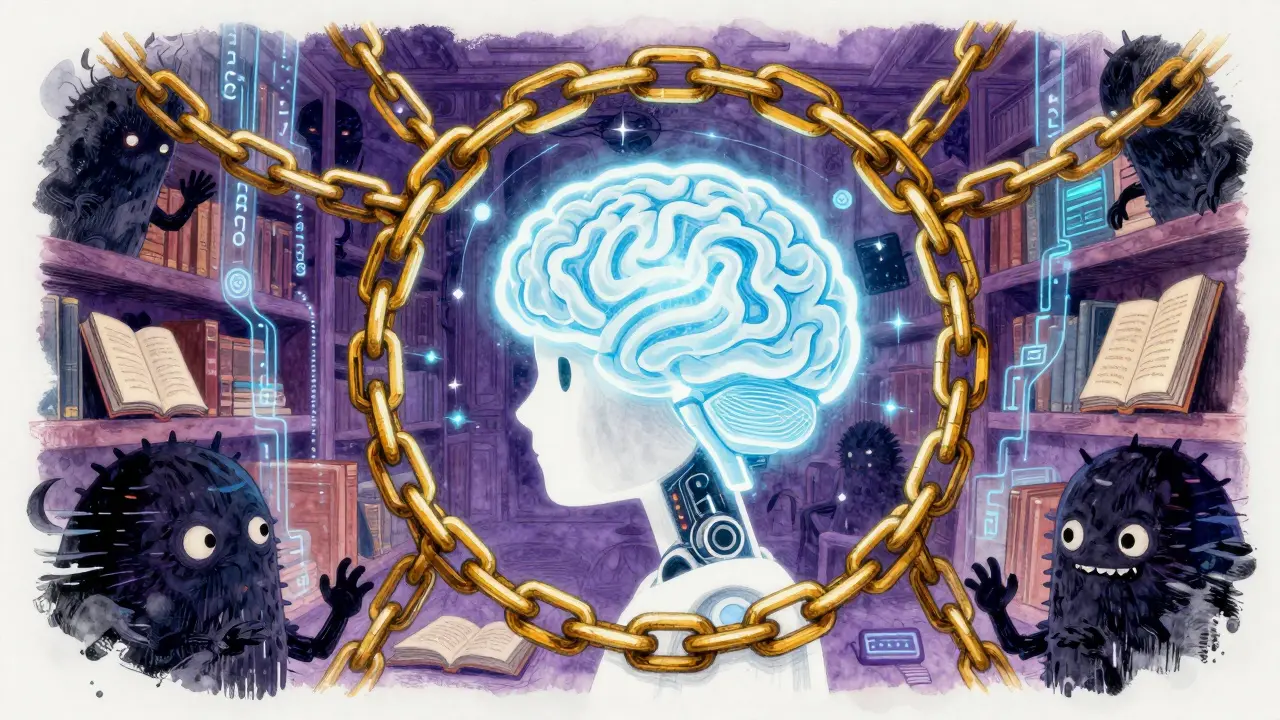
Counterfeit medications cost lives. In previous years, tracking a pill from factory to pharmacy was nearly impossible. A doctor might prescribe a generic version of a drug, and a fake ends up in a patient’s hand. Blockchain traceability has changed that landscape.
Every batch of medicine now has a digital twin on a distributed ledger. Scanning a QR code on a box tells you the exact path the medication took. Philips Healthcare, for example, is expanding remote monitoring solutions backed by this technology. It proves that the device measuring your blood pressure hasn’t been hacked or reset.
| Feature | Traditional System | Blockchain-Based System |
|---|---|---|
| Data Ownership | Hospital/Clinic holds data | Patient controls access permissions |
| Interoperability | Limited, siloed systems | Universal standards via APIs |
| Security Risk | Centralized breach points | Distributed, tamper-proof nodes |
| Audit Trail | Internal logs only | Immutable public/private chain logs |
This comparison highlights why enterprises are migrating. It reduces redundant testing costs. Instead of ordering the same X-ray five times because a new clinic couldn’t find the old one, doctors pull the secure image directly from the chain. This saves millions in wasted care annually.
Automating Insurance and Payments
Paperwork kills efficiency in healthcare finance. Claims get denied for typos. Providers wait months for reimbursement. In 2026, Smart Contracts automate these agreements.
Smart contracts are self-executing scripts that trigger payments when predefined conditions are met.
When a surgery is completed and verified on the ledger, the insurance payout triggers automatically. Stablecoins facilitate cross-border payments without banking delays. This shifts money flow from weeks-long cycles to near-instant settlement. Hospitals improve cash flow, and patients see clearer billing statements that match what was covered.

The Challenges We Still Face
It isn’t all smooth sailing. Implementing blockchain requires retiring decades-old software. Many legacy hospital systems were built before smartphones existed. Connecting them to a modern ledger takes engineering heavy lifting.
Regulation remains a hurdle too. HIPAA in the US and GDPR in Europe set strict rules. Compliance teams worry about immutability. If a patient demands their data be deleted (right to be forgotten), a standard blockchain resists deletion. Solutions involve storing hashes on-chain rather than raw personal data off-chain. This hybrid approach keeps legal requirements intact while maintaining security benefits.
Security experts also point out that post-quantum cryptography is becoming essential. As quantum computers advance, older encryption methods fail. New healthcare blockchains are already embedding post-quantum algorithms to future-proof records against these emerging threats.
Next Steps for Organizations
Healthcare leaders need to stop treating blockchain as an experiment. Joining consortia early positions you as a regional hub for data exchange. Don’t build in isolation. Standards matter more than proprietary solutions. If every hospital uses a different chain, we go back to square one.
Look for interoperable networks. Focus on patient experience improvements first. If patients can actually use the tools on their phones to manage referrals and consents, the technology has succeeded. Technical perfection matters less than adoption rates.
Is my health data safe on a blockchain?
Yes, when implemented correctly. Personal sensitive data usually resides in encrypted storage off-chain, while only the verification keys and access logs sit on the blockchain. This hybrid model meets strict privacy laws while preventing data tampering.
Can I still delete my medical records?
You retain the right to restrict access. Since actual data files are often stored separately with permission keys, revoking your key effectively deletes the ability for others to read that data, satisfying legal deletion requests even if the access log remains.
Does this work across different countries?
Yes, interoperability is a primary goal. International standards are forming to allow cross-border recognition of health credentials and records, facilitating travel healthcare and international telemedicine without data re-entry.
Who pays for the blockchain infrastructure?
Costs are typically shared by enterprise participants in the network. Providers and insurers contribute to infrastructure fees, offsetting savings gained from reduced administrative overhead and fraud prevention.
Are there mobile apps for this yet?
Consumer-facing applications are widely available in 2026. These apps let you manage permissions, view records, and share data instantly from your smartphone wallet interface.







Alice Clancy
March 26, 2026 AT 09:14Good luck with your tech dreams :)
Anand Makawana
March 28, 2026 AT 06:09This technological paradigm shift represents a monumental leap forward for global healthcare infrastructure; indeed, the integration of decentralized ledgers ensures integrity.
We must acknowledge that traditional systems suffer from significant interoperability challenges which often lead to fragmented patient histories; blockchain resolves this by creating a unified truth layer.
The cryptographic protocols employed here guarantee security beyond current standards while maintaining necessary privacy controls for sensitive medical information.
Furthermore, the decentralization aspect prevents any single point of failure which has historically plagued centralized database architectures in institutional settings.
It is imperative that we adopt these standards rapidly to avoid further obsolescence in our administrative workflows.
Patient sovereignty over their own data is the next logical step in the evolution of digital rights and healthcare access models alike.
We see clear benefits in reducing redundant testing costs which burden insurance providers and patients unnecessarily during care transitions.
Interoperability becomes a reality when universal APIs connect disparate hospital networks without requiring proprietary gateway solutions.
Security risks associated with massive centralized breaches diminish significantly when distributed nodes validate every transaction and access request permanently.
Audit trails become immutable records that regulators can trust implicitly without needing extensive third-party verification audits annually.
We anticipate reduced friction in cross-border healthcare scenarios where DIDs allow seamless recognition of credentials internationally.
This system ultimately empowers individuals with unprecedented control over their personal health narrative moving forward into the future.
I remain convinced that adoption rates will accelerate as legacy systems inevitably fail to compete with modern efficiency metrics.
Thank you for sharing such a comprehensive overview of the current trajectory of medical technology implementation strategies today.
Annette Gilbert
March 29, 2026 AT 08:15Oh great another blockchain solution for everything lol
Sure lets bet our lives on unproven magic internet coins
vu phung
March 29, 2026 AT 13:19I think the hybrid approach mentioned makes a lot of sense for compliance reasons
Many people worry about GDPR but storing hashes off-chain solves most legal hurdles
Lorna Gornik
March 29, 2026 AT 23:13totally love the idea of owning my own data finally :)
my records always get lost when i move towns
hope this actually works out for normal people
Joshua T Berglan
March 31, 2026 AT 01:01This looks promising for improving trust between patients and providers significantly 🚀
Kevin Da silva
April 1, 2026 AT 10:17legacy system migration is the biggest hurdle honestly
Andrew Midwood
April 2, 2026 AT 11:49yeah old software is painful but worth the upgrade imho
Kayla Thompson
April 3, 2026 AT 20:19You idiots ignore the cost implication for small clinics completely
Big corps benefit while mom and pop practices go bankrupt trying to upgrade
Brijendra Kumar
April 5, 2026 AT 02:03Only the elite will afford this level of secure data handling eventually
The masses will be stuck with outdated insecure portals forever
Mike Yobra
April 7, 2026 AT 00:09Perhaps we should consider who really profits from the immutability logs
Data mining remains profitable even when encrypted
Mansoor ahamed
April 7, 2026 AT 01:02In my region they already test pilot versions successfully
Jeannie LaCroix
April 8, 2026 AT 14:25WE NEED THIS NOW!!!
Stop letting hospitals lose our history files!!
Pradip Solanki
April 10, 2026 AT 03:18Technical debt exists regardless of consensus mechanisms deployed though
Tony Phillips
April 11, 2026 AT 15:38Staying optimistic about the progress despite the slow rollout speed
YANG YUE
April 11, 2026 AT 18:07Imagine the stories hidden in those ledgers someday
Dominic Taylor
April 11, 2026 AT 22:21API standards require consistent governance models globally to succeed fully
Andrea Zaszczynski
April 13, 2026 AT 08:55Why do you think companies hide this stuff anyway?
Must be something shady going on underneath
DarShawn Owens
April 15, 2026 AT 02:18I understand the frustration but regulation takes time unfortunately
Andy Green
April 16, 2026 AT 20:18People are too stupid to manage their own keys properly
They will lose access to life saving meds instantly
Zion Banks
April 18, 2026 AT 13:40Its a surveillance state tool disguised as patient empowerment clearly
Govt tracks every scan and doctor visit now easily
manoj kumar
April 20, 2026 AT 10:55Lazily copy pasted article points without real analysis here
Nothing new was said that we did not know years ago
JOHN NGEH
April 20, 2026 AT 17:12Still feels hopeful to see positive steps being taken slowly
Ananya Sharma
April 22, 2026 AT 02:39waiting for proof before believing results