Blockchain Voting: How Decentralized Identity and One Human One Vote Are Changing Governance
When you think of blockchain voting, a system where decisions are made on a public ledger using verified identities instead of tokens. Also known as on-chain governance, it’s not just about counting votes—it’s about making sure each vote comes from a real person, not a bot or a whale holding millions of tokens. Most crypto projects let you vote based on how many tokens you own. That means the richest holders control everything. But what if your vote didn’t depend on how much you spent, but on who you are?
That’s where biometric blockchain, a type of blockchain that verifies users through fingerprints or facial scans instead of wallet addresses. Also known as one human one node, it flips the script on traditional voting. Humanode is the clearest example: you prove you’re a real human with your face or fingerprint, and you get one node, one vote. No tokens needed. No buying power. No sybil attacks. This isn’t theory—it’s live, tested, and already running. And it’s not just about crypto. It’s about fixing democracy in digital spaces, from DAOs to city councils.
Related to this are decentralized identity, a way to prove who you are online without handing over your name, email, or Social Security number to a company. Also known as DID, it’s the backbone of privacy-preserving systems that let you vote, sign contracts, or access services without exposing your data. These systems use zero-knowledge proofs and cryptographic signatures to verify you’re eligible—without revealing anything else. That’s why privacy-preserving identity verification is quietly becoming the gold standard for secure, fair digital participation.
Blockchain voting isn’t about replacing governments. It’s about making online communities, DAOs, and decentralized networks work like real democracies—not plutocracies. The posts below show you how it’s being tested, failed, and improved. You’ll see real cases like Humanode, where identity replaces ownership, and others where fake airdrops pretended to be voting systems. You’ll learn what works, what’s a scam, and how to spot the difference. No fluff. No hype. Just what’s real, what’s dead, and what’s coming next.
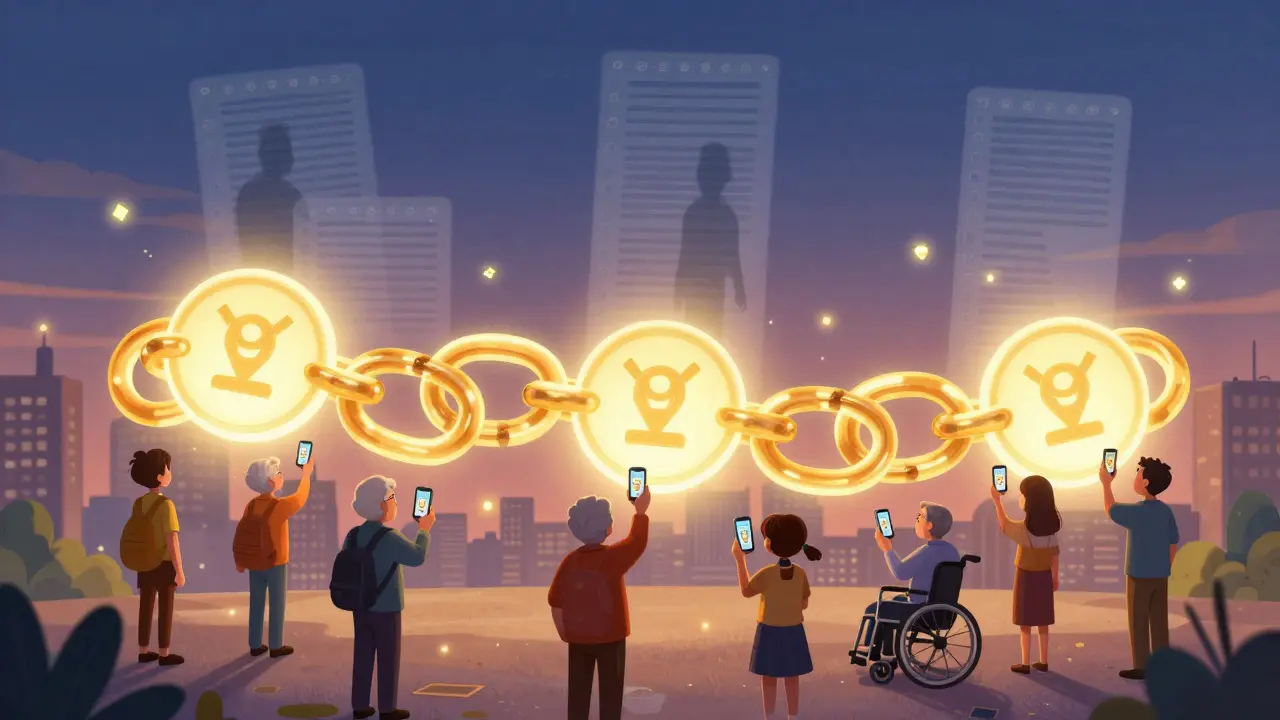
Transparency and Auditability in Blockchain Voting: How It Works and Why It Matters
Blockchain voting uses cryptography and decentralization to make elections transparent and auditable. Every vote is publicly verifiable, tamper-proof, and private. Real pilots in West Virginia and Estonia show it works.