Category: Blockchain Basics - Page 2

Layer 1 vs Layer 2: Which Blockchain Architecture Actually Wins?
A detailed comparison of Layer 1 and Layer 2 blockchains, explaining the trade-offs between security, speed, and cost for users and developers.

What is Digital Ownership on Blockchain Explained
Discover how blockchain technology transforms digital assets from licenses to true ownership, using NFTs and smart contracts to give users control.

Professional Credentials on Blockchain: How Digital Badges Are Changing How We Prove Skills
Professional credentials on blockchain provide tamper-proof, verifiable digital badges for skills and certifications, replacing paper diplomas and reducing fraud. Used by universities, employers, and governments worldwide, they let you prove your achievements instantly-anywhere.

Sharding vs Layer 2 Solutions: Which Blockchain Scaling Approach Wins?
Sharding and Layer 2 solutions are the two leading ways blockchains scale. One splits the network into parallel chains. The other builds faster lanes on top. Here's how they differ-and which one suits your needs.

What Are Public and Private Keys in Cryptocurrency? A Simple Guide to Crypto Ownership
Public and private keys are the foundation of cryptocurrency ownership. Learn how they work, why one keeps your money safe and the other lets you spend it, and how to avoid losing everything.

Blockchain for Peer-to-Peer Energy Trading: How Neighbors Are Selling Solar Power Directly
Blockchain enables neighbors to trade solar energy directly, cutting costs, reducing waste, and increasing resilience. Learn how P2P energy trading works, where it's succeeding, and why it's the next big shift in clean energy.

Challenges of Immutability in Blockchain Systems
Blockchain immutability ensures data can't be changed, but it causes real problems with privacy laws, smart contract bugs, and security attacks. Learn how enterprises are adapting-and why absolute immutability is no longer practical.

How Hash Functions Secure Cryptocurrency Networks
Hash functions are the invisible foundation of cryptocurrency security, turning data into unbreakable digital fingerprints. SHA-256 and Keccak-256 keep Bitcoin and Ethereum tamper-proof by linking blocks and making fraud computationally impossible.

Understanding Mempool Size and Congestion in Blockchain Networks
Learn how mempool size and congestion affect Bitcoin transaction times and fees. Understand what causes delays, how to check real-time network conditions, and what to do when your transaction gets stuck.
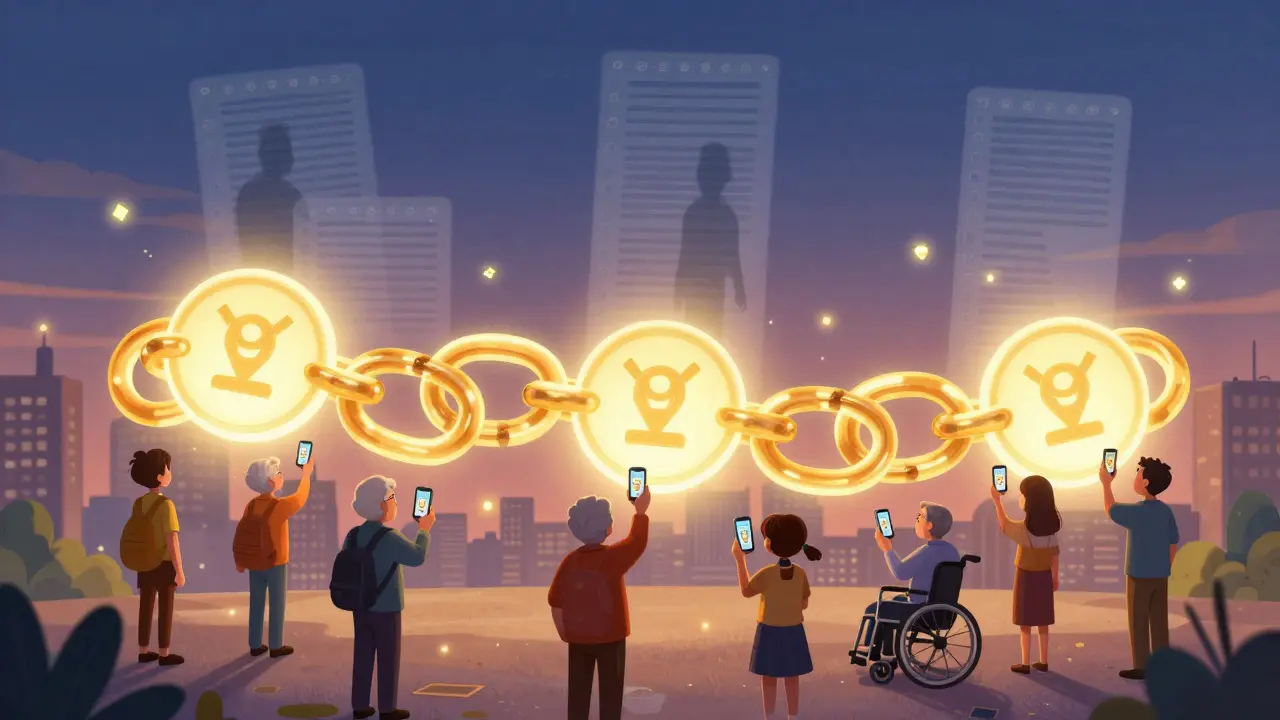
Transparency and Auditability in Blockchain Voting: How It Works and Why It Matters
Blockchain voting uses cryptography and decentralization to make elections transparent and auditable. Every vote is publicly verifiable, tamper-proof, and private. Real pilots in West Virginia and Estonia show it works.

What Is Cryptographic Encryption in Blockchain? A Clear Breakdown
Cryptographic encryption in blockchain uses hash functions, public/private keys, and digital signatures to secure transactions and prevent tampering. It's the reason blockchain is trustless, immutable, and resistant to fraud.

What is Blockchain-as-a-Service? A Simple Guide for Businesses
Blockchain-as-a-Service lets businesses use blockchain without building it themselves. It cuts costs, speeds up deployment, and improves security for supply chains, payments, and identity tracking.