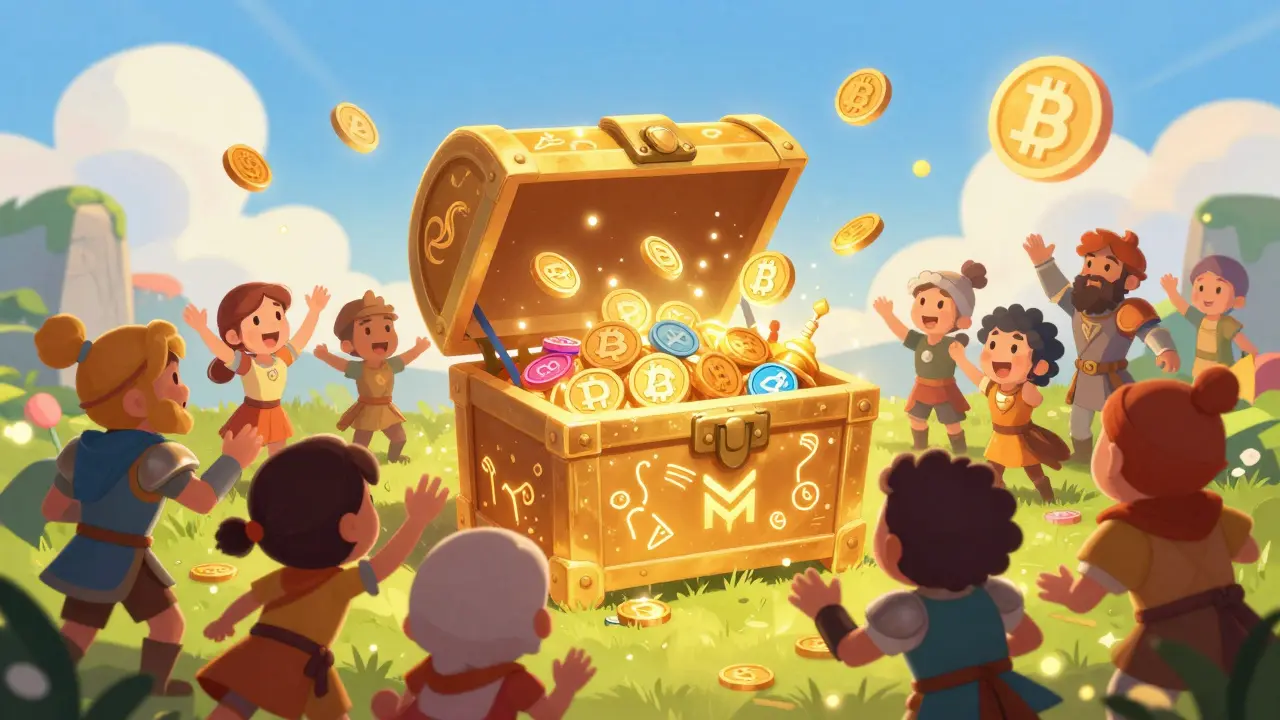
Remember the hype of early 2022? Every day brought a new promise of free money through Battle Hero II, a play-to-earn gaming project that promised lucrative NFT chest airdrops to early participants. If you’re searching for this specific airdrop today in May 2026, you need to know one thing immediately: this event is long over, and the project itself has largely vanished from the active blockchain landscape. The "free" $50,000 prize pool was a marketing tactic common during the NFT boom, but it came with significant risks that many users didn’t see until it was too late.
The Rise and Fall of Battle Hero II
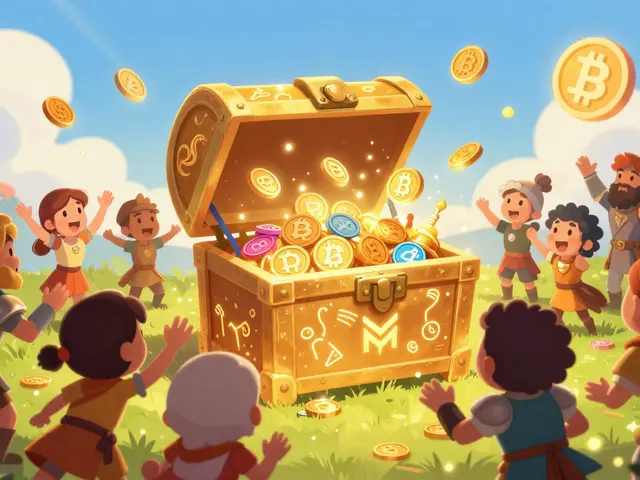
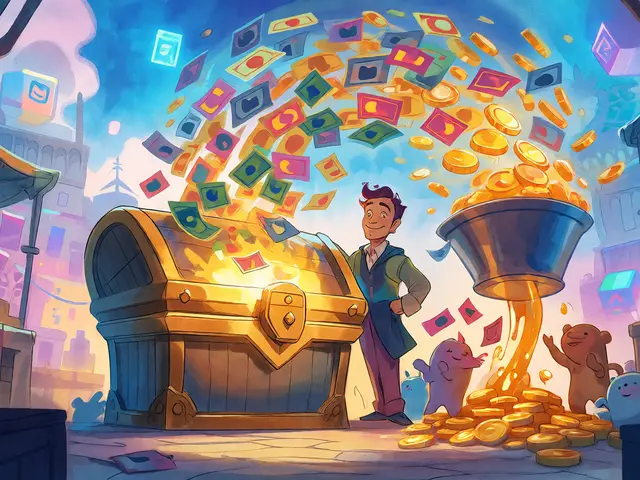
To understand why this airdrop matters now, we have to look back at where it started. Battle Hero II was a blockchain-based multiplayer game that utilized non-fungible tokens (NFTs) as in-game assets and rewards. Launched during the peak of the play-to-earn (P2E) craze, it positioned itself as an accessible entry point into Web3 gaming. The core mechanic involved collecting "Chest NFTs," which acted like digital loot boxes containing various in-game items, currency, or utility tokens.
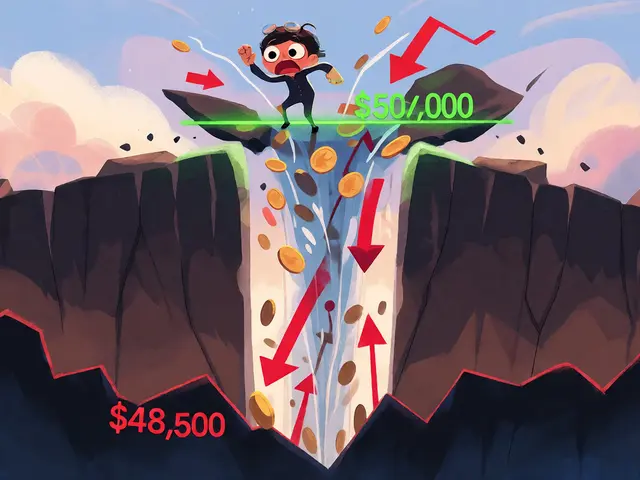
In February 2022, the project announced a massive airdrop campaign. They claimed a total prize pool valued at over $50,000. For context, that was a decent amount of capital even then, designed to attract thousands of users quickly. The goal wasn't just to give away value; it was to build a user base fast enough to create liquidity and hype before launching their own token or expanding the game's economy.
However, the timeline tells a grim story. By mid-2022, the broader cryptocurrency market entered a severe bear cycle. Many P2E projects that relied on constant inflows of new players to pay existing ones collapsed. Battle Hero II did not survive this pressure test. Today, there is no verifiable data on its current operational status, active player base, or development activity. The website may be down, or worse, repurposed for phishing attempts.
How the Airdrop Mechanism Worked
If you are trying to claim these rewards years later, here is the hard truth: you cannot. But understanding how it worked helps you spot similar schemes today. The airdrop was promoted through platforms like CoinMarketCap’s airdrop section and various social media channels. Participants were typically required to complete specific tasks to qualify.
These tasks usually included:
- Joining official Discord servers and Telegram groups.
- Following social media accounts on Twitter (now X) and Instagram.
- Retweeting or sharing promotional posts.
- Connecting their crypto wallet to verify identity.
The distribution of Chest NFTs served as digital collectibles that provided access to exclusive game features, trading rights, or potential future token allocations. In theory, receiving a Chest NFT meant you had a stake in the ecosystem. In practice, for many users, it was just a low-value image file with no real-world utility once the hype died down.
Red Flags: Why Experts Warned Against It
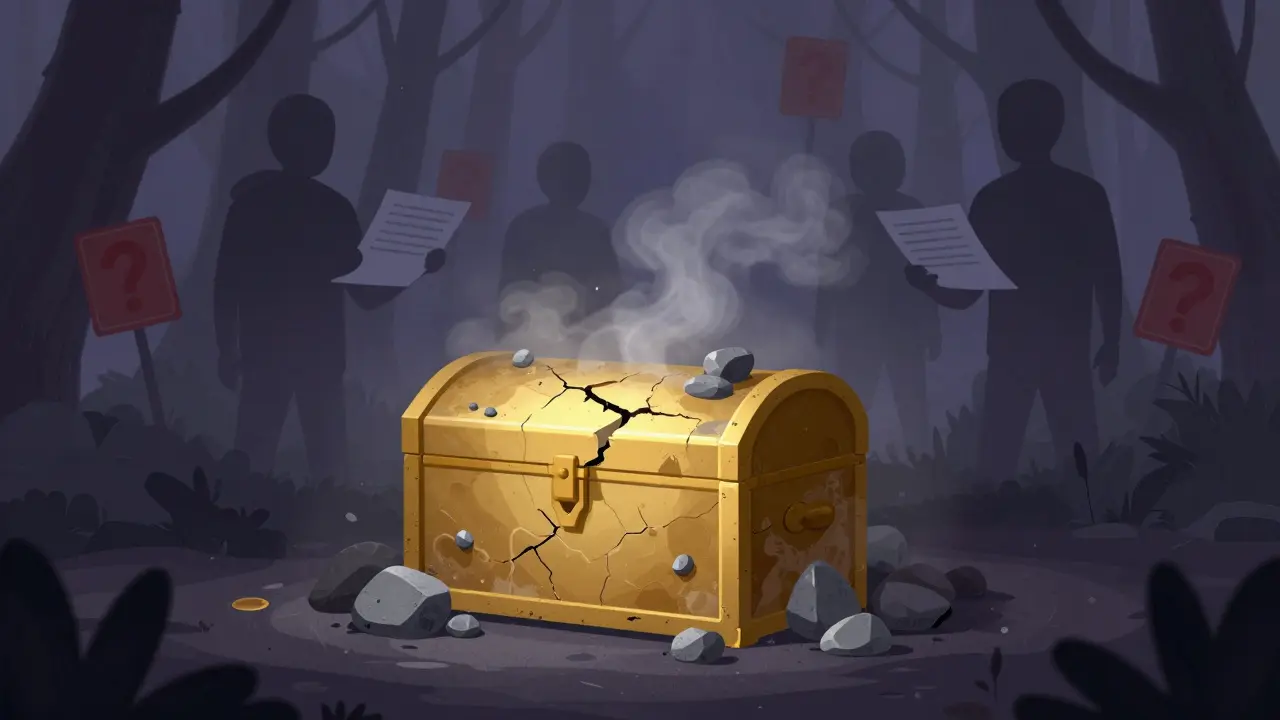
Even in 2022, cryptocurrency researchers raised alarms about Battle Hero II and similar projects. The warnings weren't unfounded. The rapid rise of unverified airdrops created a breeding ground for scams. Here are the specific red flags that should have been obvious:
Lack of Transparent Team Identity
Most legitimate projects have doxxed teams-publicly known developers and founders. Battle Hero II operated behind anonymous handles. When things go wrong, anonymity makes accountability impossible.
Vague Tokenomics
The documentation lacked clear details on how the $50,000 prize pool was funded or distributed. Was it backed by real investment, or was it inflated valuation based on a pump-and-dump scheme? Without clarity, users were betting on hope rather than data.
Aggressive Marketing Over Product Development
Noticeable effort went into promoting the airdrop via influencers and paid ads rather than showcasing gameplay footage or technical audits. This imbalance often signals that the product is secondary to the fundraising goal.
The Current Status in 2026
It is crucial to be direct: Battle Hero II is effectively dead. There are no active markets for its tokens, no live server statistics, and no community engagement on major forums. Any website claiming to offer "late claims" or "restored wallets" for Battle Hero II Chest NFTs is almost certainly a scam designed to steal your private keys or seed phrase.
The broader lesson here extends beyond this single project. The NFT gaming sector experienced massive volatility between 2021 and 2023. Projects that failed to establish sustainable economic models-where revenue comes from genuine gameplay enjoyment rather than recruitment-collapsed when the market cooled. Battle Hero II is a textbook example of this trend.
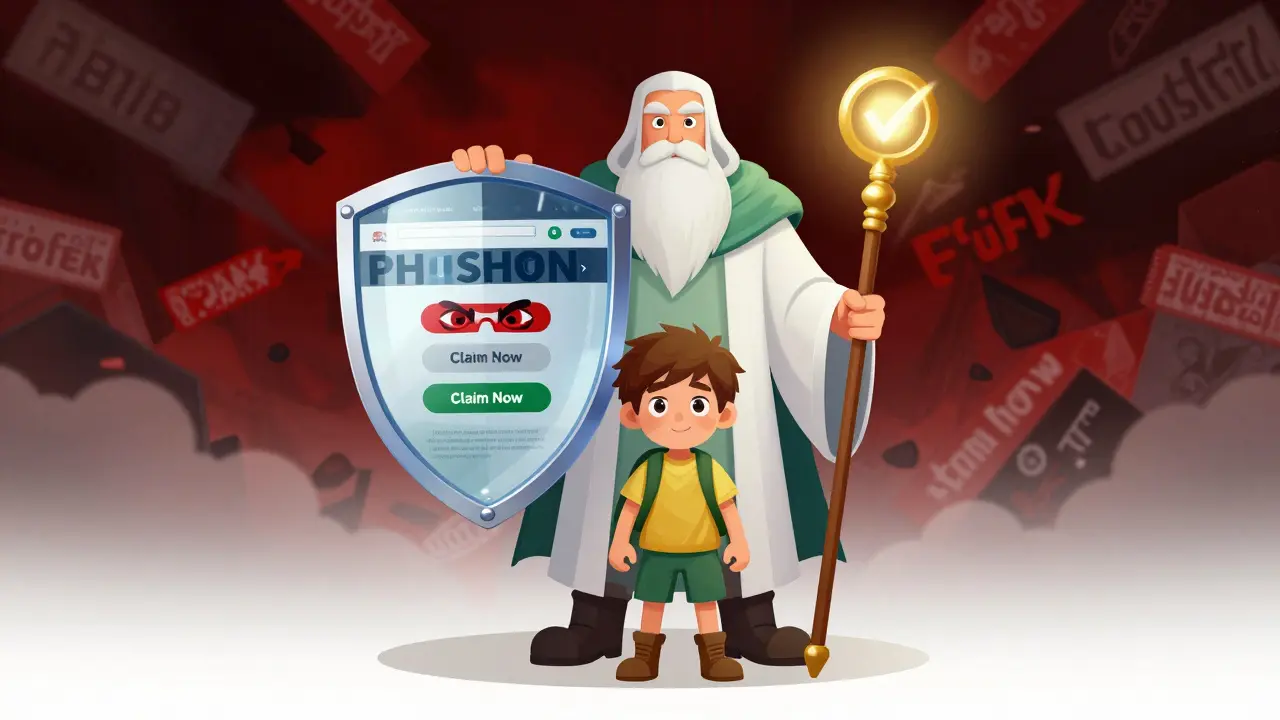
How to Spot Fake Airdrops Today
Since you are looking into this topic now, you might be encountering other airdrop opportunities. The tactics haven't changed much; only the branding has. Use this checklist to protect yourself:
- Verify the Contract Address: Never trust links in DMs or unsolicited emails. Always copy the contract address from official, verified sources like Etherscan or BscScan and check if it matches the project’s official documentation.
- Check Wallet Permissions: Before signing any transaction, use tools like Revoke.cash to ensure you aren’t granting unlimited spending power to unknown contracts.
- Skepticism Toward "Guaranteed" Returns: Legitimate airdrops are unpredictable. If a project guarantees high returns or immediate cash-out options, it is likely a rug pull.
- Community Vetting: Look for organic discussion on Reddit or independent YouTube reviews. If every comment is positive and generic, it’s bot-generated hype.
Lessons Learned for Crypto Investors
The Battle Hero II case study offers valuable lessons for anyone navigating the crypto space. First, never invest time or money based solely on FOMO (Fear Of Missing Out). Second, always conduct due diligence on the team behind the project. Third, understand that most P2E games are not passive income generators-they require skill, time, and strategic thinking.
Finally, remember that in the world of decentralized finance, you are your own bank. There is no customer service line to call if you send funds to the wrong address or fall for a phishing site. Security starts with caution and ends with education.