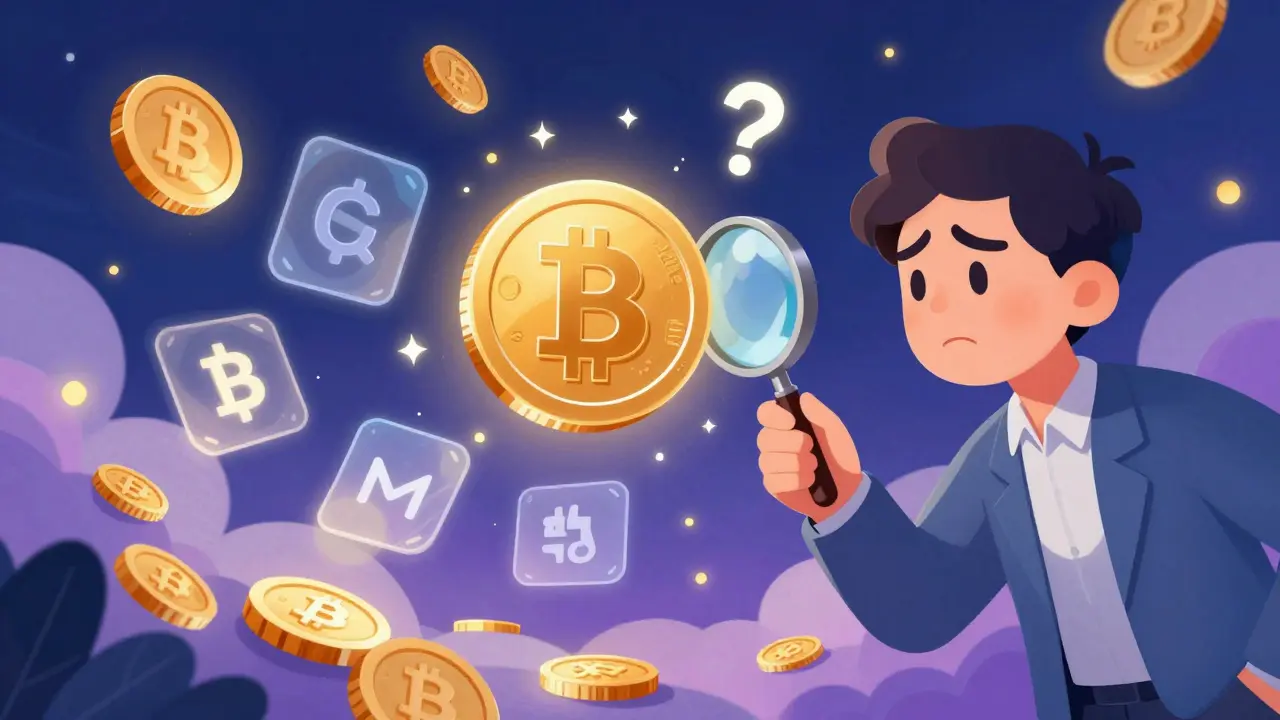
You might have come across a mention of MNEE crypto coin and wondered if it's the next big moonshot. In the wild west of digital assets, finding a token that isn't listed on major exchanges often feels like discovering a hidden gem. However, when a coin has zero footprint on the platforms that actually track the market, that "hidden gem" is usually a red flag. If you're looking for a quick answer: there is no verifiable, legitimate project called MNEE currently operating in the known crypto ecosystem.
The Red Flags: Where is MNEE?
When a cryptocurrency is real, it leaves a digital trail. Whether it's a massive project or a tiny meme coin with a market cap under $200,000, it will almost always appear on primary tracking sites. We checked the heavy hitters, and the results were a total blank. CoinMarketCap and CoinGecko-the gold standards for token data-have no record of an MNEE ticker. Even the newest, most obscure tokens, like Bunnie (BUNNIE) or Norm (NORM), are listed there. Why would a real project be missing from the very tools investors use to find them?
It gets worse when you look at the exchanges. Binance and other major platforms list new tokens regularly, providing clear price data and trading volumes. MNEE isn't on any of them. If a coin isn't traded on a known exchange and has no data on a tracker, you aren't "getting in early"-you're likely looking at a project that doesn't actually exist or is designed to trap your funds.
Comparing MNEE to Legitimate New Tokens
To understand what a real new token looks like, let's compare the empty space where MNEE should be with actual projects currently in the market. Legitimate tokens, even the risky ones, provide specific data points: a contract address, a verifiable blockchain (like Ethereum or Solana), and a community presence.
| Feature | MNEE Token | Typical New Token (e.g., Metal/Norm) |
|---|---|---|
| CoinGecko/CMC Listing | None | Verified |
| Contract Address | Not Found | Publicly Available |
| Trading Volume | $0 / Unknown | Quantifiable (e.g., $100k+) |
| Social Presence | No organic activity | Active X/Telegram groups |
| Security Audit | None | Often listed via GoPlus or similar |
The "Similar Name" Trap
One of the most common tricks in the crypto world is the "confusingly similar name" tactic. Scammers create tokens that sound like existing, successful projects to trick people into buying them. For example, you might see tokens like Metal (METAL) or Momentum (MMT) that are actually trading. A fake project might use a name like MNEE to piggyback on the phonetic feel of a legit project or to confuse a tired investor who misread a ticker symbol.
If you saw MNEE mentioned in a random Telegram group or a direct message promising 20x returns, be extremely careful. Real projects don't usually recruit via spammy DMs. They build a community on X (formerly Twitter) and provide a Whitepaper-a document that explains the technical goals and the tokenomics of the project. MNEE has none of this.
How to Spot a Crypto Scam in 60 Seconds
You don't need to be a blockchain developer to protect your money. Most scams follow the same pattern. If you're looking at a token and you're not sure if it's real, run this quick checklist:
- Check the Big Three: Search for the token on CoinMarketCap, CoinGecko, and DexScreener. If it's not on any of these, walk away.
- Verify the Contract: Does it have a contract address? If so, plug it into an explorer like Etherscan or SolanaFM. If there are no transactions or the liquidity is locked by a single person, it's a trap.
- Look for "Gurus": Is the only place you're hearing about this coin from a "trading expert" on social media? Real utility is discussed by developers and users, not just hype-men.
- Demand a Roadmap: If there is no clear plan for what the coin actually does (its utility), it's just a piece of code with no value.

The Danger of "Ghost Tokens"
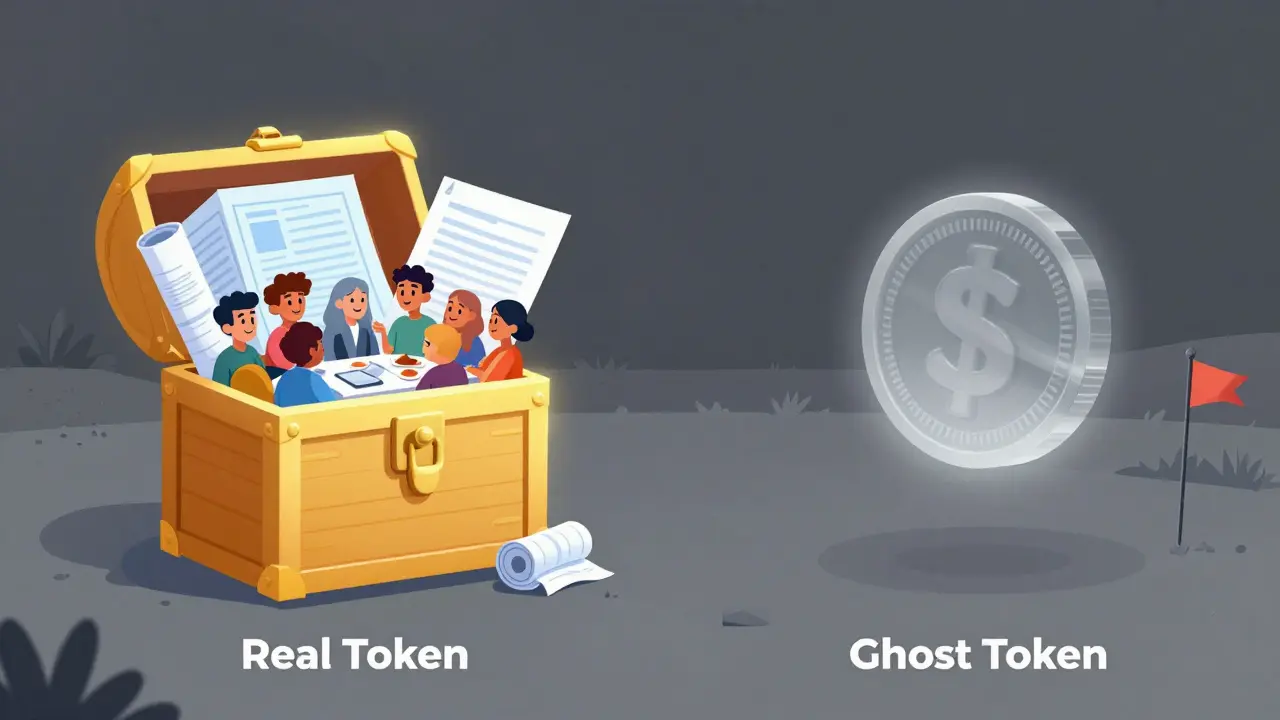
MNEE falls into the category of what we call a "Ghost Token." These are assets that exist in name only, often promoted through fake screenshots of gains or fabricated news articles. The danger here isn't just losing the money you invest; it's the "honeypot" risk. A honeypot is a smart contract designed so that you can buy the token, but the code prevents you from ever selling it. You watch your balance go up on a fake screen, but the money is gone the moment you hit "send."
Without a security audit from a reputable firm or a verification from a tool like GoPlus Security, any token is a gamble. Legitimate new tokens, such as those launched via IDOs (Initial DEX Offerings), usually go through a vetting process to ensure the contract isn't a scam. MNEE has bypassed every single industry standard for safety.
Is MNEE a safe investment?
No. Based on all available data, MNEE does not exist as a legitimate cryptocurrency. It is not listed on any major tracking platforms or exchanges, which is a massive red flag. Investing in an unverified token like this carries an extremely high risk of total loss.
Where can I buy MNEE crypto?
You should not attempt to buy MNEE. Because it is not listed on any reputable exchanges (like Binance or Coinbase) or decentralized trackers (like CoinGecko), any site claiming to sell it is likely a phishing site or a scam designed to steal your wallet keys.
Could MNEE be a very new project that just isn't listed yet?
While it's theoretically possible for a project to be in "stealth mode," virtually all legitimate projects establish a social media presence and a verifiable contract on a blockchain before promoting the coin. MNEE lacks both a community footprint and on-chain activity, making it highly unlikely to be a legitimate upcoming project.
What should I do if I already bought MNEE?
Try to sell or swap the tokens immediately through a decentralized exchange if possible. If you cannot sell them, you may have encountered a "honeypot" scam. Do not send more money to "unlock" your funds-this is a common second-stage scam. Revoke any permissions you gave to the token's smart contract using a tool like Revoke.cash to protect the rest of your wallet.
How can I find legitimate new coins instead?
Stick to trusted launchpads, follow verified projects on CoinGecko's "New Coins" section, and always read the project's whitepaper. Look for projects with transparent teams (doxxed developers) and clear utility within a specific ecosystem, such as AI or DeFi.
Next Steps for Safe Trading
If you're looking for growth in the crypto market, the best move is to stick to assets with transparent data. Start by using a hardware wallet to keep your main funds safe from smart contract drains. Before buying any new token, spend ten minutes searching for its contract address on a block explorer. If the only people talking about a coin are strangers in your DMs or on a low-effort TikTok ad, the answer is almost always to stay away. Real wealth in crypto comes from understanding the tech and the utility, not from chasing nameless tickers like MNEE.


Felix Eduardo Velasquez
April 29, 2026 AT 07:29The concept of the honeypot is a perfect example of asymmetric information in a decentralized market. Most people believe the blockchain provides total transparency, but the logic residing within a smart contract can be a black box for those who cannot read Solidity. It is a sobering reminder that while the ledger is public, the intent of the developer is often hidden until the liquidity is drained.
Gabrielle Danis
April 29, 2026 AT 13:24It is essential to emphasize that a lack of a whitepaper is a definitive indicator of a fraudulent project. A legitimate cryptocurrency must outline its tokenomics, governance structure, and utility to provide any semblance of value to the investor.
Lex Harley
April 29, 2026 AT 13:57Man this is basically just another rug pull in the making... totally saw this coming with the lack of LP locks. Most peeps just fomo into these things without checkin the contract on Etherscan and then wonder why their bags are zeroed out. Its wild how many ppl still fall for the "hidden gem" narrative when there is zero on-chain activity to back it up. Just total noise in the market right now tbh.
Robert Smith
May 1, 2026 AT 03:13Stay safe everyone! 🚩🚩🚩
Arti Jain
May 1, 2026 AT 03:20Typical Westerner ignorance. Indian developers create real value while you chase ghosts.
Abhishek Verma
May 3, 2026 AT 02:58Oh sure, because we all trust every random dev from India blindly. Great logic there.
Alex Mazonowicz
May 4, 2026 AT 02:07Thanks for the warning!!! This is so helpful for beginners!!! Keep sharing this kind of info!!!
Harvey Alford
May 4, 2026 AT 07:45Did you lose money on this?
Wayne Gillis
May 6, 2026 AT 07:31I actually saw a TikTok about this yesterday! 📱 The guy was promising 100x gains in a week and it looked so legit with the fake charts. It's crazy how they target people who just want to make a quick buck. I almost clicked the link in his bio but then I remembered the rule about DMs. Glad I didn't fall for it! 😅
Lloyd I
May 6, 2026 AT 19:39I think we can all learn from this experience. If anyone is feeling overwhelmed by the technical side of verifying contracts, maybe we could start a thread where we help each other audit these things using the tools mentioned here. It would be great to build a community that protects each other from these scams.
Brendan Thraxton
May 7, 2026 AT 02:34just use a burner wallet for anything you find on social media its the only way to stay safe these days no matter how good the project looks on the surface
Janis Naglis
May 7, 2026 AT 15:09I totally agree with the need for more education!!! We just need to shift the paradigm toward sustainable DeFi growth!!! Use the tools, check the liquidity, and stay positive about the tech!!! 🚀✨
Veronica Bago
May 9, 2026 AT 11:53Just vibing with the caution here. Better safe than sorry.
Gabby Puche
May 10, 2026 AT 20:20You guys are doing great by staying vigilant! 🌟 Just keep following those checklists and you'll be fine! 💖