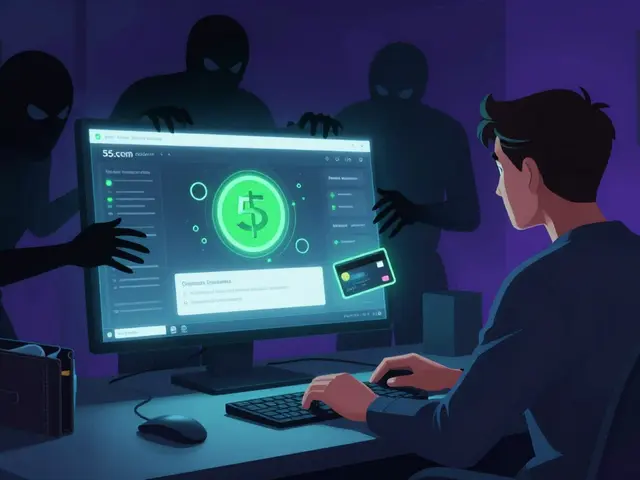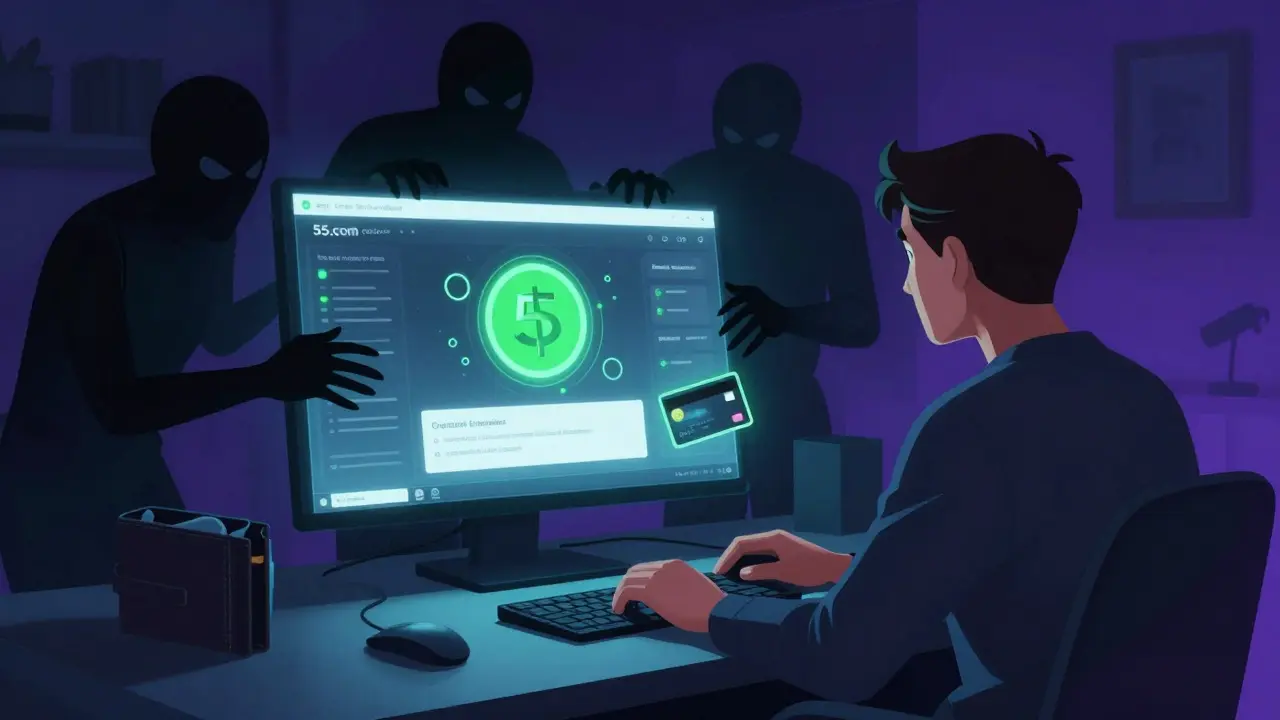
You type 55.com into your browser looking for a new place to trade Bitcoin. You see a sleek interface, promises of high returns, and maybe even a login page that looks professional. But before you deposit a single dollar, stop. There is no legitimate cryptocurrency exchange operating under the domain 55.com. This is not a hidden gem or a new startup; it is almost certainly a phishing site or a complete scam designed to steal your funds.
In the world of digital assets, trust is everything. When you encounter a domain like 55.com claiming to be a crypto exchange, you are likely facing one of two scenarios: either it is a fake site mimicking a real brand (often confusing users with Crypto.com), or it is a rogue platform with no regulatory oversight. This article breaks down why 55.com is dangerous, how these scams work, and which verified platforms you should actually use in 2026.
The Truth About 55.com: A Non-Entity
Let’s get straight to the point. If you search for "55.com crypto exchange" on any reputable financial database, regulatory registry, or major news outlet, you will find nothing. That silence is deafening. Legitimate exchanges like Coinbase, Kraken, or Binance have thousands of reviews, regulatory filings, and public company reports. 55.com has none.
Why does this domain exist? Often, scammers register generic-looking domains like 55.com, 88.net, or easy-crypto.org to create fake trading platforms. They might copy the design of a real exchange to trick you. Or, they might use the name to confuse users who misheard "Crypto.com" or saw a misleading ad. In some cases, 55.com could be an abandoned parking page, but if it asks for your wallet keys or bank details, it is malicious.
Here is the hard reality: No major financial authority-such as the SEC in the US, the FCA in the UK, or ASIC in Australia-has licensed an entity called "55.com" as a crypto exchange. If a site claims otherwise, it is lying. Do not engage with it.
How Crypto Scams Target Users
Understanding how these fake sites operate can save you from losing money. Scammers rely on urgency, confusion, and greed. Here is how the typical 55.com-style scam works:
- Impersonation: The site uses logos, colors, and language similar to well-known brands. You might think you are logging into a trusted service, but the URL is slightly off or completely unrelated.
- Fake Promotions: You see ads promising "10% bonus on first deposit" or "zero fees forever." These offers are too good to be true because they are bait. Once you deposit, you cannot withdraw.
- Phishing for Data: The site asks for your email, phone number, and eventually your private keys or seed phrases. Never share these. Legitimate exchanges never ask for your seed phrase.
- Fabricated Volume: The trading interface shows fake price movements and order books to make it look like active trading is happening. In reality, you are trading against a script controlled by the scammer.
I’ve seen friends lose thousands by clicking on sponsored links that looked official. They thought they were signing up for a new feature of a known app, but they were on a clone site. Always check the URL carefully. If it doesn’t match the official website exactly, close the tab.
What Makes a Crypto Exchange Legitimate?
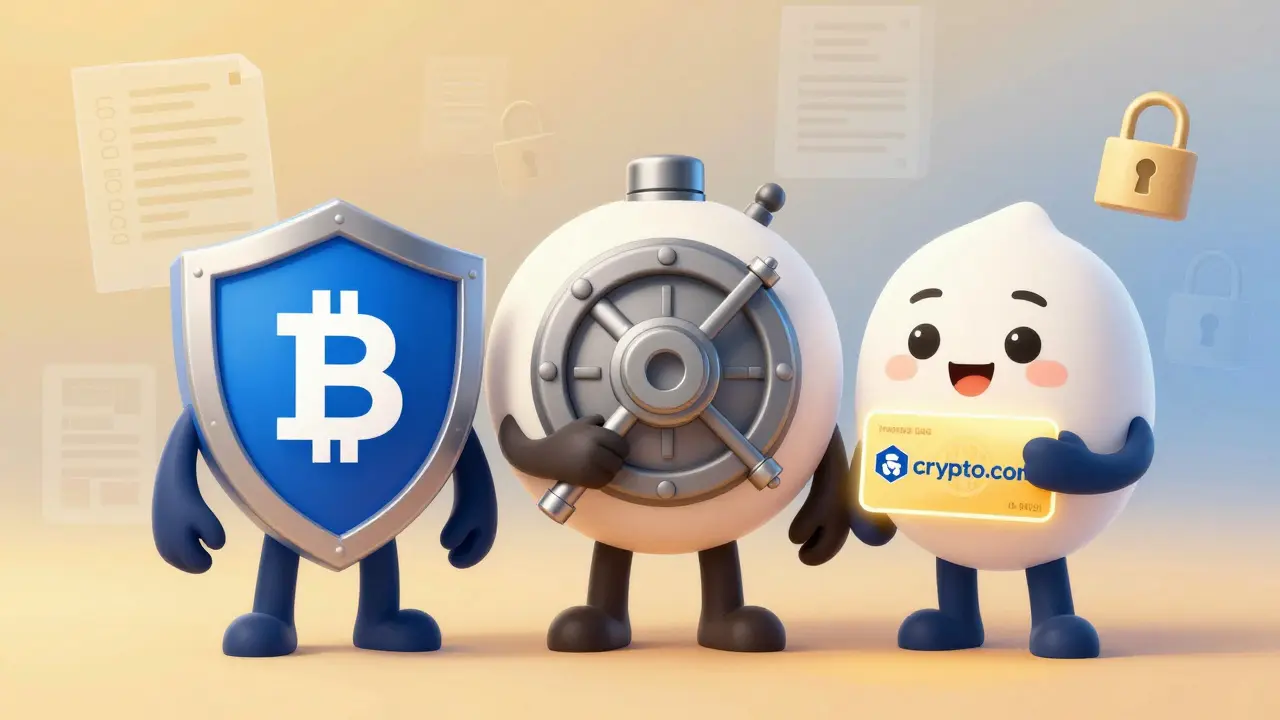
If 55.com is a red flag, what should you look for instead? A trustworthy crypto exchange must meet several strict criteria. In 2026, the bar for legitimacy is higher than ever due to increased global regulation.
First, regulatory compliance is non-negotiable. Reputable exchanges hold licenses in the jurisdictions they serve. For example, Crypto.com holds VASP registrations in Canada, an EMI license in Europe, and various state-level licenses in the US. Coinbase is publicly traded on the NASDAQ, meaning it undergoes rigorous financial audits. If an exchange operates in the shadows without clear licensing, stay away.
Second, security infrastructure matters. Top exchanges store the vast majority of user funds in cold storage (offline wallets) to prevent hacking. Crypto.com, for instance, keeps 100% of idle assets in cold storage and maintains a $750 million insurance policy through Lloyds of London. They also conduct regular third-party security audits by firms like Kudelski Security. Ask yourself: Does the exchange publish proof of reserves? Do they have bug bounty programs? If not, your money is at risk.
Third, transparency in fees is key. Hidden costs are a hallmark of shady platforms. Legitimate exchanges clearly display their maker-taker fee schedules. For context, Crypto.com charges 0.40% for takers and 0.10% for makers, with discounts for holding their native token. While spreads can vary, the base fees are published openly. A scam site might claim "0% fees" but then charge exorbitant withdrawal fees or simply refuse withdrawals altogether.
Safe Alternatives to 55.com
Since 55.com is not a viable option, you need a reliable platform to buy, sell, and store cryptocurrencies. Based on market data, security records, and user experience in 2026, here are the top three alternatives:
| Exchange | Best For | Key Feature | Security Rating | User Base |
|---|---|---|---|---|
| Crypto.com | Beginners & Card Users | Visa Card Rewards & Earn APY | High (Audited) | 80M+ Users |
| Coinbase | US Residents & Stocks | NASDAQ Listed & Regulatory Compliance | Very High | 110M+ Users |
| Kraken | Advanced Traders | Low Spreads & High Liquidity | High (No Major Hacks) | 13M+ Users |
Crypto.com stands out for its integrated ecosystem. Launched in 2016, it offers spot trading, derivatives, staking, and banking services. Its Visa card program, with over 2 million cards issued, allows you to spend crypto anywhere. The platform supports 250+ cryptocurrencies and handles 1.5 million orders per second with 99.99% uptime. However, note that it lacks some advanced trading bots found on competitors like OKX.
Coinbase is the safest bet for US users concerned about regulatory clarity. Being a public company means it is subject to strict reporting requirements. It offers a simple interface for beginners and integrates with traditional stock trading via its LevelUp feature. Fees are slightly higher (starting at 0.60%), but you pay for peace of mind.
Kraken is ideal if you prioritize low costs and deep liquidity. It has never suffered a major hack since its inception in 2011. Kraken offers tighter spreads (0.2-0.8%) compared to Crypto.com (0.5-1.5%), making it better for frequent traders. It also provides robust customer support and educational resources.
Red Flags to Watch Out For
Even when choosing a reputable exchange, you must remain vigilant. Scammers constantly evolve their tactics. Here are specific red flags that indicate a platform is unsafe:
- Unrealistic Returns: If a site promises guaranteed daily profits of 1-5%, it is a Ponzi scheme. Crypto markets are volatile; no one can guarantee consistent high returns.
- Pressure Tactics: "Offer expires in 10 minutes!" or "Only 3 spots left!" Legitimate exchanges do not rush you into deposits.
- Poor Contact Information: If the only way to contact support is via Telegram or WhatsApp, run. Real companies have verified email addresses, phone numbers, and live chat within their apps.
- Missing KYC Requirements: While privacy is important, a total lack of Know Your Customer (KYC) verification often means the exchange is anonymous and unregulated. In 2026, most legitimate platforms require ID verification to comply with anti-money laundering laws.
- Domain Age: Use tools like Whois to check when the domain was registered. If 55.com or similar sites were registered last month, they are likely disposable scam sites.
I recommend keeping a bookmark folder of only the exchanges you trust. Never click links from emails or social media ads claiming to be from your exchange. Phishing attacks are sophisticated and can mimic real login pages perfectly.
Protecting Your Investment
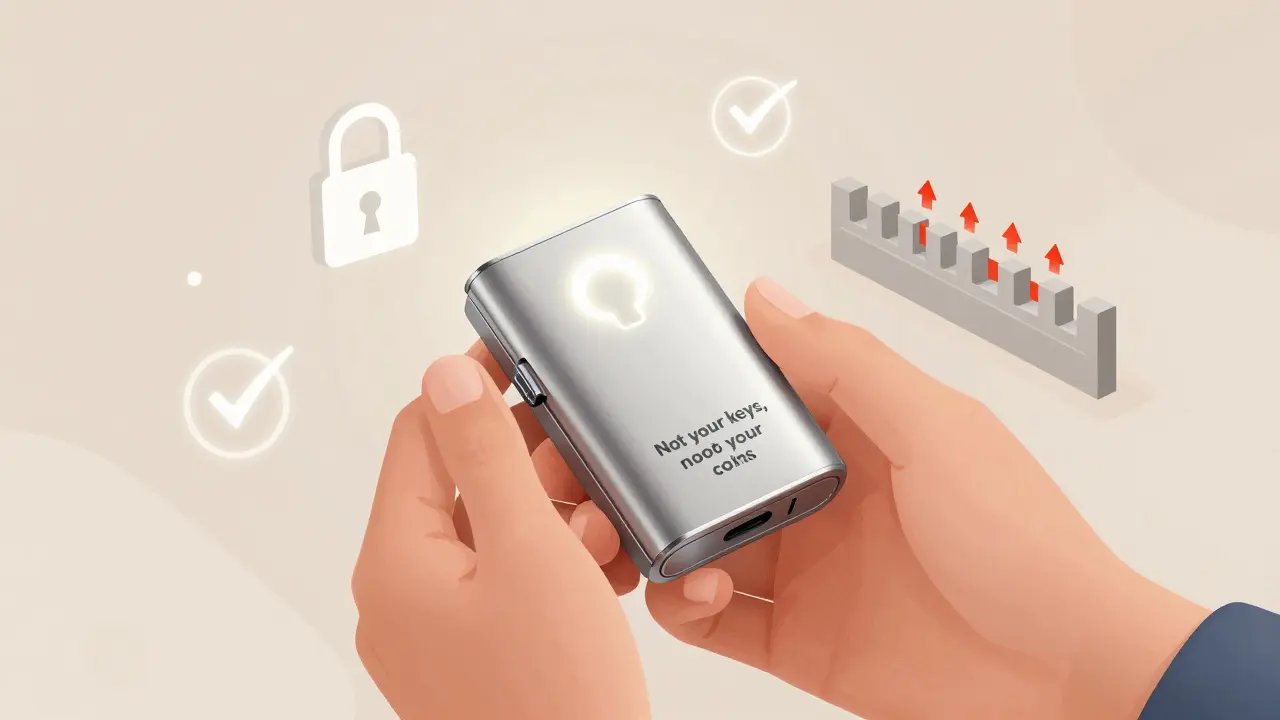
Beyond choosing the right exchange, your personal habits determine your safety. Enable two-factor authentication (2FA) using an authenticator app like Google Authenticator or Authy, not SMS, which can be SIM-swapped. Withdraw large amounts to a hardware wallet like Ledger or Trezor for long-term storage. Exchanges are custodial, meaning they hold your keys; if they go bankrupt or are hacked, you may lose access to your funds. "Not your keys, not your coins" remains the golden rule.
Regularly review your account activity. Check for unfamiliar logins or withdrawal attempts. Set up withdrawal whitelist addresses so that funds can only be sent to pre-approved wallets. These small steps add layers of security that make it much harder for attackers to compromise your account.
Remember, the crypto space is full of innovation, but also deception. By sticking to established, regulated platforms like Crypto.com, Coinbase, or Kraken, and avoiding unknown entities like 55.com, you protect yourself from unnecessary risk. Stay informed, stay skeptical, and keep your assets secure.
Is 55.com a legitimate crypto exchange?
No, 55.com is not a recognized or regulated cryptocurrency exchange. It appears to be a scam or phishing site. Always use verified platforms like Crypto.com, Coinbase, or Kraken.
Why is 55.com considered dangerous?
It lacks regulatory licenses, has no verifiable track record, and may impersonate legitimate brands to steal user funds or personal data. There is no evidence of it being a safe financial institution.
What is the best alternative to 55.com?
For most users, Crypto.com offers a great balance of ease of use and features. Coinbase is best for US residents seeking regulatory clarity, while Kraken is ideal for advanced traders looking for low fees.
How can I verify if a crypto exchange is safe?
Check for regulatory licenses in your country, read independent reviews on Trustpilot or Reddit, verify the company's physical address, and ensure they use strong security measures like cold storage and 2FA.
Can I recover funds lost to 55.com?
Recovery is extremely difficult. If you used a credit card, contact your bank immediately to dispute the charge. Report the incident to local authorities and cybercrime units, but assume the funds are likely gone.