
Starting your journey into cryptocurrency can feel like walking into a maze blindfolded. You want a platform that is simple, secure, and doesn’t charge you an arm and a leg just to buy your first Bitcoin. That is exactly where CoinZest positions itself as an entry-level trading platform designed for new cryptocurrency traders. But does it actually deliver on that promise, or is it just another small player trying to survive in a market dominated by giants?
In this review, we break down the real costs, the security claims, and the user experience of CoinZest. We also compare it against the heavyweights like Coinbase and Kraken so you can decide if it’s worth your time and money in 2026.
Quick Summary / Key Takeaways
- Fees: CoinZest charges a flat 0.10% trading fee, which is competitive compared to the industry average of 0.25%.
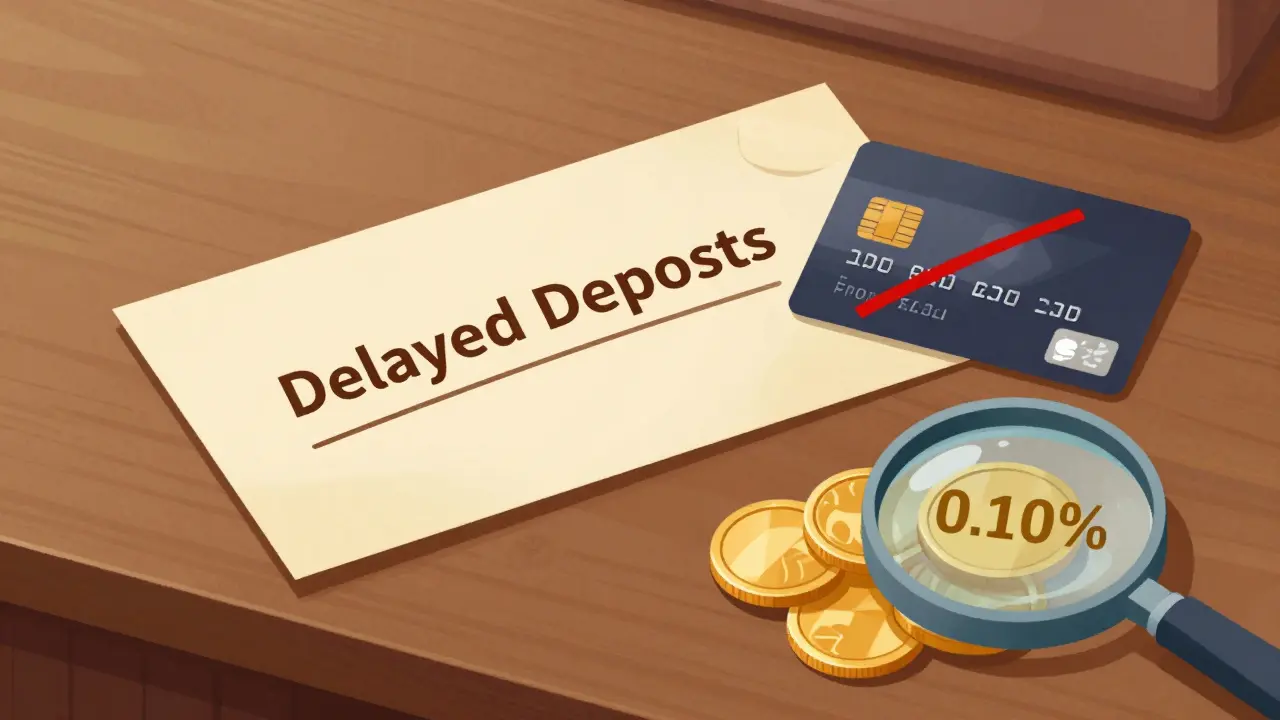
- Deposits: Only wire transfers are supported for fiat deposits; credit cards are not accepted.
- Withdrawals: Bitcoin withdrawal fees are 0.0005 BTC, slightly below the industry average.
- User Sentiment: Current ratings are extremely low (1 out of 5) with very few reviews, signaling potential trust issues.
- Best For: Traders who prefer wire transfers and want a simple, no-frills interface.
- Avoid If: You need instant funding via credit card, advanced trading tools, or extensive coin selection.
What Is CoinZest? An Entry-Level Platform
CoinZest is not trying to be the next Binance. It explicitly targets beginners-people who are just starting their trading careers and might be overwhelmed by complex charts and jargon. The platform focuses heavily on simplicity and security. Unlike many exchanges that only accept crypto-to-crypto trades, CoinZest allows you to deposit traditional currency (fiat) via wire transfer. This feature makes it an "entry-level exchange" because it bridges the gap between your bank account and the crypto world without requiring you to find a peer-to-peer seller first.
However, this simplicity comes with trade-offs. If you are used to buying crypto instantly with a Visa or Mastercard, you will hit a wall here. CoinZest does not support credit card deposits. You must initiate a wire transfer, which can take days to clear depending on your bank. For impatient traders or those who want to capitalize on sudden market moves, this delay is a significant drawback.
Fee Structure: Simple but Not Always Cheap
Let’s talk about what matters most to your wallet: fees. Many exchanges use a maker-taker model, where fees differ based on whether you add liquidity (maker) or remove it (taker). CoinZest simplifies this by charging everyone the same rate: 0.10% per trade.
Is 0.10% good? Historically, yes. The traditional industry standard was around 0.25%. However, the market has shifted. In 2026, major competitors like Binance and Kraken often offer tiers that go much lower, sometimes even reaching 0% for high-volume makers. While CoinZest’s flat fee is easy to understand, it might end up costing more than necessary if you trade frequently.
For withdrawals, CoinZest charges 0.0005 BTC for Bitcoin transactions. According to data from Cryptowisser, the industry average sits closer to 0.0008 BTC. So, on paper, CoinZest is cheaper for moving Bitcoin off the platform. But remember, these fees change based on network congestion, so they are not fixed forever.
| Exchange | Trading Fee | Fiat Deposit Method | BTC Withdrawal Fee | User Rating (Avg) |
|---|---|---|---|---|
| CoinZest | 0.10% (Flat) | Wire Transfer Only | 0.0005 BTC | 1/5 (Low sample size) |
| Coinbase | 0% - 3.99% | Card, Bank, Wire | Variable | 4/5+ |
| Kraken | 0% - 0.4% | Card, Bank, Wire | Variable | 4.5/5 |
| Binance US | 0% - 0.6% | Card, Bank, P2P | 0.0002-0.0005 BTC | 4/5 |
Security Claims vs. Reality
Security is the number one concern for any crypto trader. CoinZest highlights security prominently on its website, suggesting it is a core pillar of their service. But there is a big difference between saying you are secure and proving it.
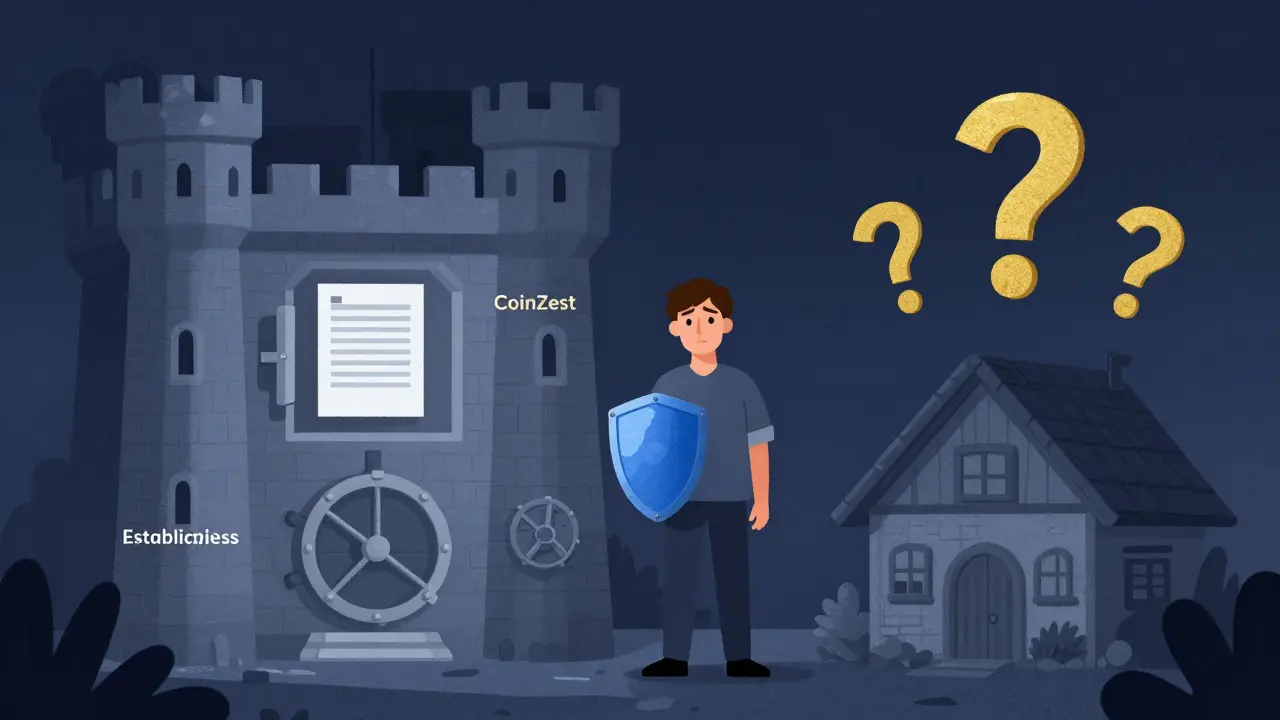
Major exchanges like Kraken and Coinbase publish detailed reports about their cold storage percentages, insurance coverage, and third-party audits. They tell you exactly how much of your funds are kept offline (cold storage) versus online (hot wallets). CoinZest, however, lacks this transparency. There are no publicly available details about their cold storage ratios, multi-signature requirements, or regulatory compliance certifications.
This lack of information is a red flag for experienced users. In an industry where hacks happen regularly, you want to know exactly how your assets are protected. Without verifiable security audits or clear regulatory licenses, trusting CoinZest with large sums involves higher risk than using established platforms.
User Experience and Market Position
If you look at comprehensive exchange comparisons in 2025 and 2026, CoinZest barely registers. Platforms like Crypto.com (with over 300 coins) and Coinbase dominate the conversation. Why? Because they offer more features, better liquidity, and stronger brand recognition.
CoinZest appears to have limited visibility and a smaller market position. This isn’t necessarily bad if you value privacy or niche access, but it does mean less liquidity. Lower liquidity can lead to wider spreads-the difference between the buy and sell price-which effectively increases your cost when trading.
Furthermore, user feedback is concerning. Data from review aggregators like Cryptogeek.info shows CoinZest with a rating of just 1 out of 5, based on very few reviews. Compare this to ionomy Exchange, which has a 3-star rating from just two users. A single negative review can tank a small platform’s score, but combined with the lack of positive testimonials, it suggests either poor customer service, technical issues, or simply very low adoption. When hundreds of other exchanges have thousands of reviews, CoinZest’s silence is loud.
Who Should Use CoinZest? (And Who Should Avoid It)
CoinZest serves a specific, narrow slice of the market. Here is how to decide if it fits your needs.
You might consider CoinZest if:
- You are a complete beginner who finds interfaces like Kraken Pro or Binance overwhelming.
- You prefer paying for things via wire transfer and don’t mind waiting 1-3 days for funds to clear.
- You want a straightforward fee structure without calculating maker/taker differences.
- You are trading small amounts and want to avoid the complexity of KYC processes on larger platforms (though note: most regulated exchanges still require ID).
You should avoid CoinZest if:
- You need to buy crypto instantly using a credit card or PayPal.
- You trade high volumes and need the lowest possible fees (0.02% or less).
- You want to trade altcoins beyond the major ones (Bitcoin, Ethereum).
- Security transparency is your top priority (look for exchanges with published audit reports).
- You want advanced tools like margin trading, futures, or API access.
Final Verdict: Proceed with Caution
CoinZest offers a simple entry point into cryptocurrency with competitive trading fees and below-average withdrawal costs for Bitcoin. Its focus on wire transfers and simplified fees appeals to those who dislike complexity. However, the lack of credit card support, minimal user reviews, and opaque security practices make it a risky choice for anyone serious about long-term investing.
In 2026, the crypto exchange market is mature. Users expect fast deposits, robust security proofs, and deep liquidity. CoinZest lags behind in these areas. Unless you have a specific reason to choose it over giants like Coinbase or Kraken, it is safer to stick with platforms that have proven track records and transparent operations.
Is CoinZest safe for beginners?
While CoinZest markets itself as beginner-friendly due to its simple interface, safety depends on more than just UI design. The lack of detailed security audits and low user ratings suggest caution. Beginners should prioritize exchanges with strong regulatory compliance and transparent security measures, such as Coinbase or Kraken, before considering lesser-known platforms like CoinZest.
Can I buy crypto with a credit card on CoinZest?
No, CoinZest does not support credit card deposits. You can only deposit fiat currency via wire transfer. This means transactions may take several business days to process, unlike instant purchases available on platforms like Coinbase or Binance.
How do CoinZest fees compare to Binance?
CoinZest charges a flat 0.10% trading fee. Binance typically offers lower fees for high-volume traders, often ranging from 0.10% down to 0.02% or even 0% for makers depending on your BNB holdings and volume tier. For casual traders, CoinZest’s fee is competitive, but frequent traders will likely save more on Binance.
Why are CoinZest user ratings so low?
Current data shows CoinZest has a 1-out-of-5 rating based on very few reviews. This could indicate poor customer service, technical glitches, or simply low user adoption. With so little data, it is hard to draw definitive conclusions, but the lack of positive feedback is a warning sign compared to major exchanges with thousands of verified reviews.
Does CoinZest support Bitcoin withdrawals?
Yes, CoinZest supports Bitcoin withdrawals. The fee is currently 0.0005 BTC per transaction, which is slightly below the industry average of 0.0008 BTC. However, always check the current network fees before withdrawing, as blockchain congestion can impact processing times and costs.
Is CoinZest regulated?
Available information does not clearly state CoinZest’s regulatory status or licensing jurisdictions. Major exchanges like Coinbase and Kraken are heavily regulated in the US, UK, and Europe. The absence of clear regulatory disclosures on CoinZest’s part makes it a higher-risk option for users seeking legal protection.