Secure Voting System: How Blockchain Ensures Fair and Tamper-Proof Elections
When you think of a secure voting system, a method of casting and counting votes that prevents fraud, coercion, and manipulation while ensuring anonymity and auditability. Also known as blockchain-based voting, it's not science fiction—it's already being tested in real elections around the world. Traditional voting relies on paper, trusted officials, and physical security. But those systems are slow, expensive, and still vulnerable to tampering. A secure voting system, a method of casting and counting votes that prevents fraud, coercion, and manipulation while ensuring anonymity and auditability. Also known as blockchain-based voting, it's not science fiction—it's already being tested in real elections around the world. Traditional voting relies on paper, trusted officials, and physical security. But those systems are slow, expensive, and still vulnerable to tampering. A blockchain voting, a digital voting method that records each vote on an immutable, distributed ledger fixes that by making every vote public yet anonymous, and impossible to alter after submission.
How does it actually work? It combines two powerful tools: digital identity privacy, the ability to prove you’re eligible to vote without revealing your name, address, or personal details and zero-knowledge proofs, a cryptographic method that lets you prove something is true without showing the underlying data. For example, Humanode uses facial recognition to verify one real person equals one vote—no token ownership needed. That stops bots, fake accounts, and ballot stuffing. Meanwhile, systems like Arch Network use zero-knowledge proofs to confirm your vote was counted correctly without exposing who you voted for. This isn’t about replacing democracy—it’s about protecting it from digital threats.
What you’ll find in these posts isn’t theory. It’s real cases: how blockchain forensics tracks voter fraud attempts, how airdrops like LNR and SPIN tried—and failed—to build voter engagement, and how platforms like Millionero and Bitbuy apply similar security principles to crypto trading. Some projects, like SHREW and OKFLY, vanished because they skipped the basics: trust, transparency, and real identity checks. Others, like Humanode, are building from the ground up with biometric verification. You won’t find magic solutions here. But you will find clear examples of what works, what doesn’t, and why a secure voting system isn’t just about tech—it’s about who gets to have a voice.
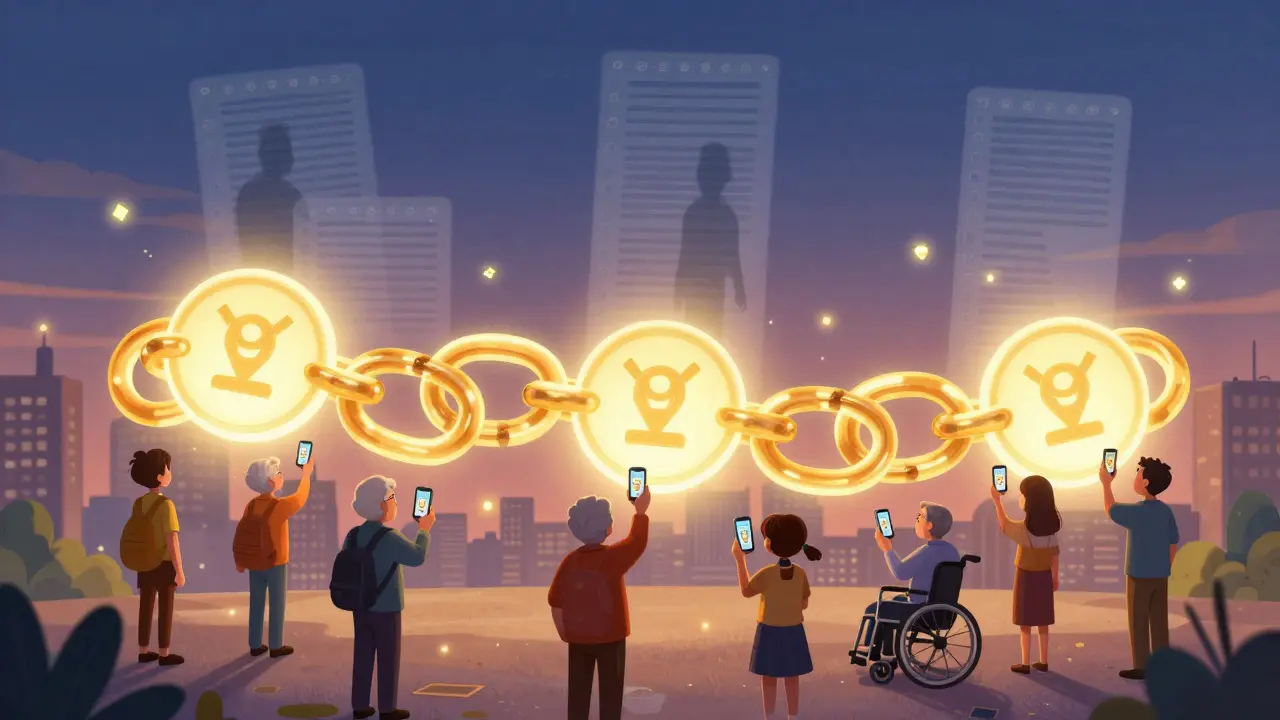
Transparency and Auditability in Blockchain Voting: How It Works and Why It Matters
Blockchain voting uses cryptography and decentralization to make elections transparent and auditable. Every vote is publicly verifiable, tamper-proof, and private. Real pilots in West Virginia and Estonia show it works.