RBI Banking Restrictions: How India's Crypto Rules Shape Trading and Innovation
When the RBI banking restrictions, a series of directives from India's central bank limiting financial institutions from serving crypto businesses first hit in 2018, it didn’t stop crypto—it just pushed it underground. Banks were told not to provide services to exchanges or traders, and suddenly, depositing rupees into platforms like WazirX or CoinDCX became a nightmare. People turned to peer-to-peer trades, UPI transfers, and even cash deals just to buy Bitcoin. The Supreme Court overturned the ban in 2020, but the damage was done: trust was broken, and many banks still refuse to touch anything crypto-related today.
The RBI crypto ban, a de facto freeze on banking access for crypto firms, even after the court ruling isn’t official anymore, but its shadow lingers. Most Indian banks still treat crypto as high-risk, and many traders report accounts being frozen for no clear reason. This isn’t just about exchanges—it’s about people. A student in Bangalore buying Ethereum via Paytm UPI, a freelancer in Pune getting paid in USDT, a miner in Hyderabad running ASICs off solar power—all of them operate in a gray zone. The Indian cryptocurrency rules, a patchwork of unofficial policies, tax requirements, and banking refusals have created a system where you can own crypto legally, but not easily move money in or out. It’s why platforms like Bitbuy and Millionero don’t serve India directly, and why users rely on foreign exchanges with no KYC.
What’s interesting is how innovation adapts. Projects like Arch Network and Humanode, which focus on privacy and identity, find more traction here because they solve real problems created by these restrictions. Traders use blockchain forensics tools to track their own funds, knowing that any misstep could trigger bank scrutiny. Airdrops like SPIN or OKFLY that promised free tokens became cautionary tales—not because they were scams, but because people had no safe way to cash out even if they won. The RBI banking restrictions didn’t kill crypto in India. They forced it to become smarter, more resilient, and more decentralized by necessity. Below, you’ll find real stories of what happened when people tried to trade, invest, or build under these rules—and how they kept going anyway.
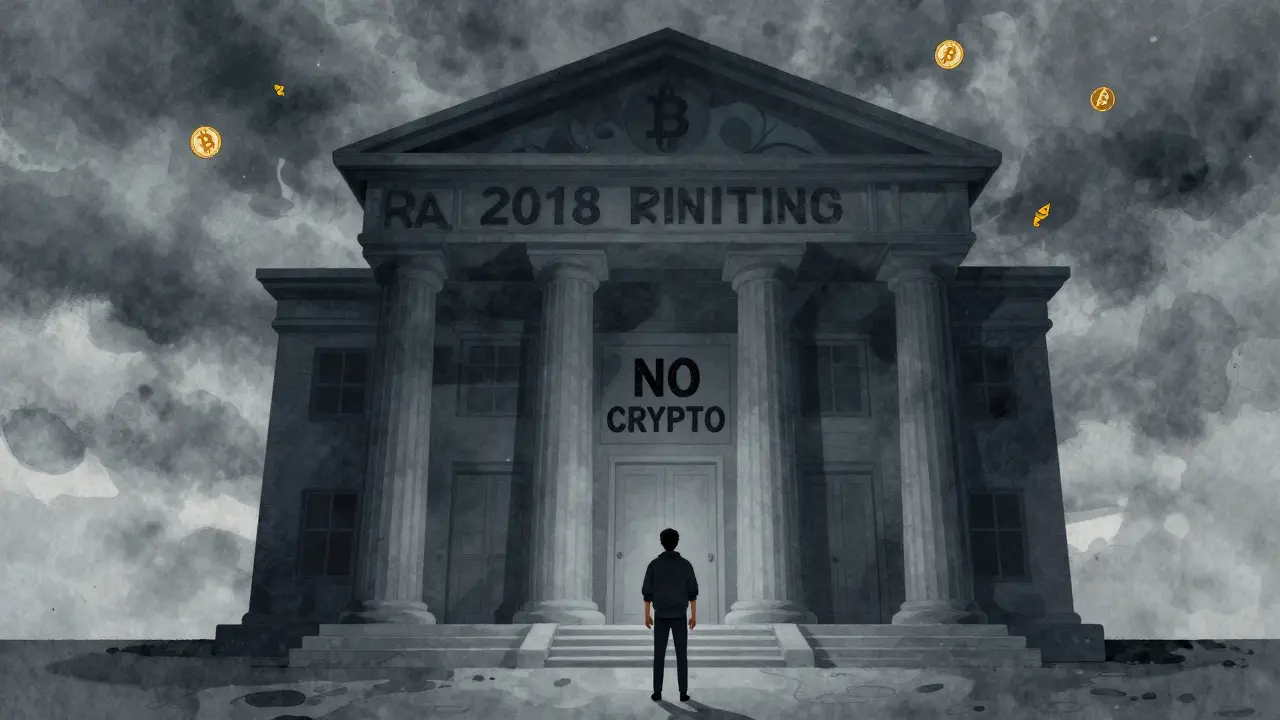
RBI Banking Ban Reversal: What Changed for Crypto in India After the Supreme Court Ruling
The RBI's 2018 crypto banking ban was overturned by India's Supreme Court in 2020, reopening access to banks for crypto exchanges. Here's what changed - and what still hasn't.