Cryptocurrency in India: Regulations, Usage, and What’s Really Happening
When people talk about cryptocurrency in India, the use of digital currencies like Bitcoin and Ethereum by individuals and businesses within India, often under complex legal conditions. Also known as digital assets in India, it’s not illegal to hold or trade crypto—but it’s far from smooth sailing. Unlike countries with clear rules, India walks a tightrope: the government doesn’t ban crypto, but it doesn’t fully accept it either. Banks still block crypto deposits, tax authorities demand detailed reports, and many platforms operate in the shadows.
What you’ll find in practice is a mix of cautious users, active traders, and a growing number of young investors who treat crypto like a side hustle. Most Indians buy Bitcoin or Ethereum through peer-to-peer platforms like Paxful or LocalBitcoins, or via regulated exchanges like Bitbuy, a trusted crypto exchange offering secure CAD trading with regulatory compliance (used by Canadians) or similar platforms that accept UPI payments. Even though Indian exchanges like WazirX and CoinDCX were once dominant, many users now turn to international platforms that don’t require strict KYC—especially after the 2022 tax hike that made crypto reporting mandatory.
And taxes? They’re the real deal. The Indian government slapped a 30% tax on crypto gains in 2022, plus a 1% TDS on every transaction. That means if you buy $1,000 worth of Ethereum and sell it for $1,200, you owe $600 in taxes—even if you only pocketed $200. No deductions. No offsets. And if you don’t report it? The IT department can trace your wallet addresses using blockchain forensics tools, just like they do in the U.S. or Europe. That’s why so many Indian crypto users now focus on long-term holds or use decentralized exchanges like BabySwap, a niche DEX on Binance Smart Chain for early-stage crypto projects to avoid leaving a paper trail.
There’s also the issue of scams. India has one of the highest rates of crypto fraud in the world. Fake airdrops like E2P Token, a fraudulent crypto airdrop falsely linked to Coinstore, Greenex, and CoinMarketCap or dead tokens like SHREW, a loyalty token sold in a 2021 ICO that vanished without trace lure in newcomers with promises of free money. Most end up losing everything. The key? Only trust projects with real teams, audits, and active communities. If it sounds too good to be true, it is.
What’s next? The government is still deciding whether to launch a central bank digital currency (CBDC), and whether to allow crypto trading on regulated exchanges. Until then, crypto in India stays in a gray zone—legal to own, risky to trade, and impossible to ignore. Below, you’ll find real stories, honest reviews, and hard facts about what’s working, what’s not, and who’s really making money in India’s wild crypto scene.

Crypto Adoption in India: How It Soared Despite Strict Tax Rules
India leads the world in crypto adoption despite harsh taxes, with millions using Bitcoin and stablecoins for daily payments, remittances, and DeFi - proving real-world utility trumps regulation.
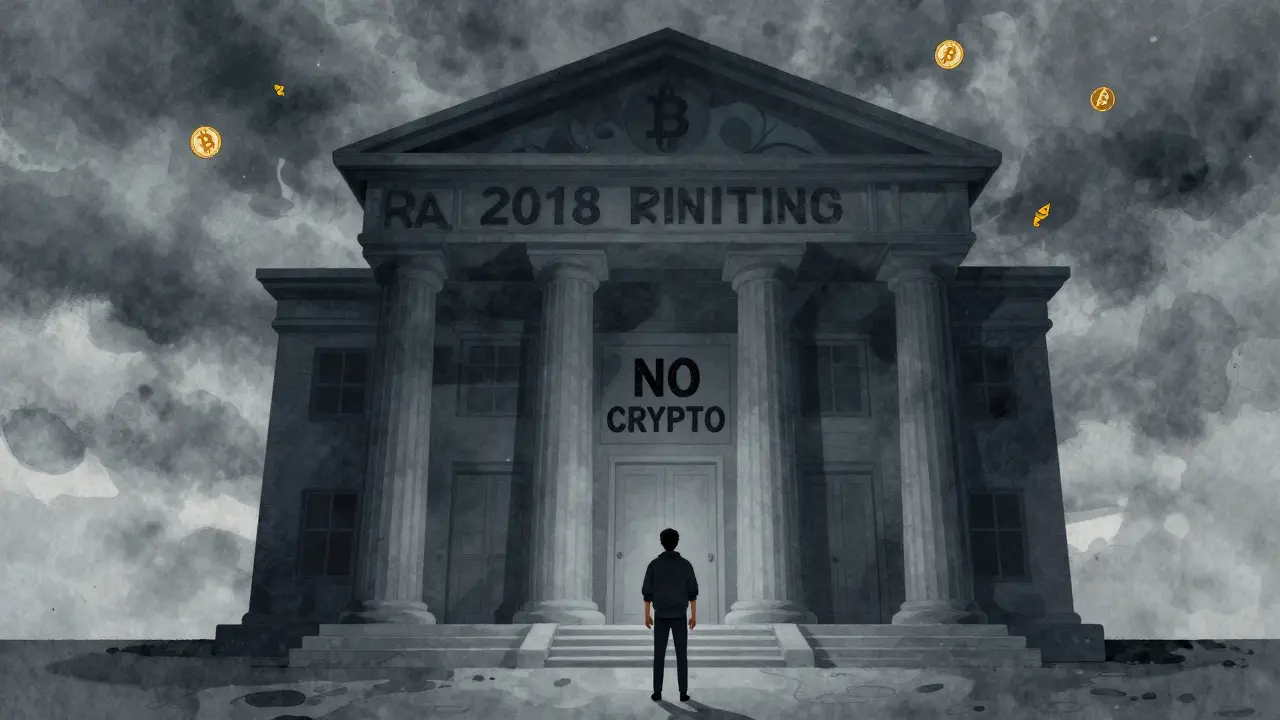
RBI Banking Ban Reversal: What Changed for Crypto in India After the Supreme Court Ruling
The RBI's 2018 crypto banking ban was overturned by India's Supreme Court in 2020, reopening access to banks for crypto exchanges. Here's what changed - and what still hasn't.