Airdrop Rewards: How to Spot Real Crypto Giveaways and Avoid Scams
When you hear airdrop rewards, free cryptocurrency tokens given out by projects to attract users. Also known as crypto airdrop, they’re supposed to be a way for new projects to spread awareness and build a community. But in practice, most airdrop rewards are either worthless tokens with no market, or outright scams designed to steal your private keys or personal data. The hype makes it sound easy—sign up, connect your wallet, and get free money. But the truth? Out of every 100 airdrops you see, maybe two are worth your time.
Real blockchain airdrop, a distribution of tokens on a public ledger to verified wallet addresses happens only when a project has real traction: a working product, a team you can verify, and a clear reason to hand out tokens. Look at the 2CRZ airdrop—promised on CoinMarketCap, then vanished with no explanation. Or the NFMart token, which dropped 99.79% and has zero community. These aren’t mistakes—they’re red flags. Legit airdrops don’t ask for your seed phrase. They don’t require you to pay gas fees to "claim" free tokens. And they never rush you with fake countdowns or pressure to act fast.
Many people chase free crypto tokens, digital assets distributed without payment, often to incentivize network participation like they’re lottery tickets. But you’re not playing the lottery—you’re risking your wallet’s security. The best airdrops are tied to platforms you already use: a DeFi protocol you’ve traded on, an NFT marketplace you’ve interacted with, or a wallet you’ve held for months. Projects like SpireX or QuarkChain that actually have users don’t need to trick people into joining. They reward loyalty, not clicks.
And then there’s the dark side: airdrop scams, fraudulent campaigns that mimic real giveaways to steal crypto or personal information. These often use fake websites, cloned social media accounts, or impersonate big names like Binance or Coinbase. They’ll send you a link that looks real. They’ll ask you to approve a transaction that drains your wallet. They’ll even pretend to be a community mod on Discord. The 2CRZ case wasn’t an accident—it was a blueprint. If a token has no trading volume, no team, and no roadmap, it’s not an airdrop. It’s a trap.
So how do you tell the difference? Check the contract address. Look at the token’s history on Etherscan or Solana Explorer. See if anyone’s actually trading it. Read the project’s GitHub—if it’s empty, walk away. And never, ever connect your wallet to a site just because someone said you’ll get free tokens. The real airdrop rewards go to the patient, the skeptical, and the informed. The rest? They’re just noise.
Below, you’ll find real case studies of airdrops that vanished, ones that worked, and the exact steps you can take to protect yourself before clicking "claim" on the next one.
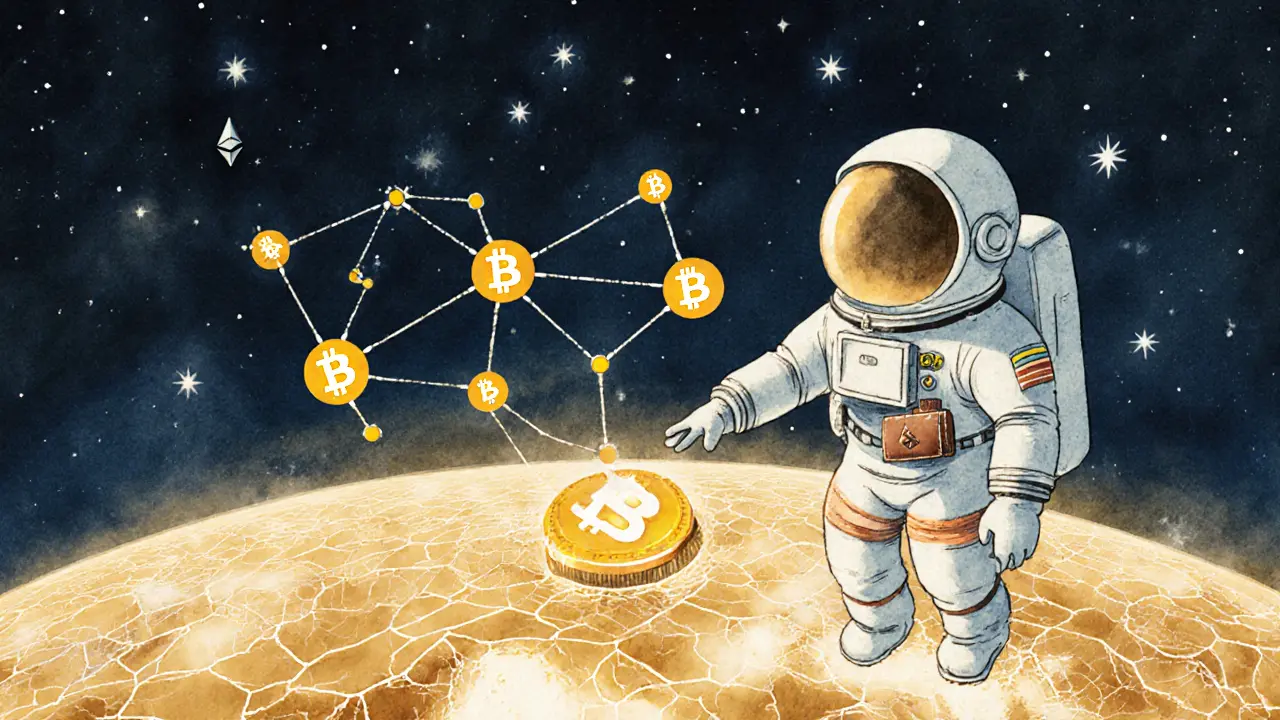
Arch Network (ARCH) Airdrop Guide: How to Earn ARCH Tokens in 2025
Learn how to earn ARCH tokens from the Arch Network airdrop in 2025. Step-by-step guide to joining the Archstronaut Program, earning XP on testnet, and maximizing your future rewards.