The metaverse didn't die. It just got serious.
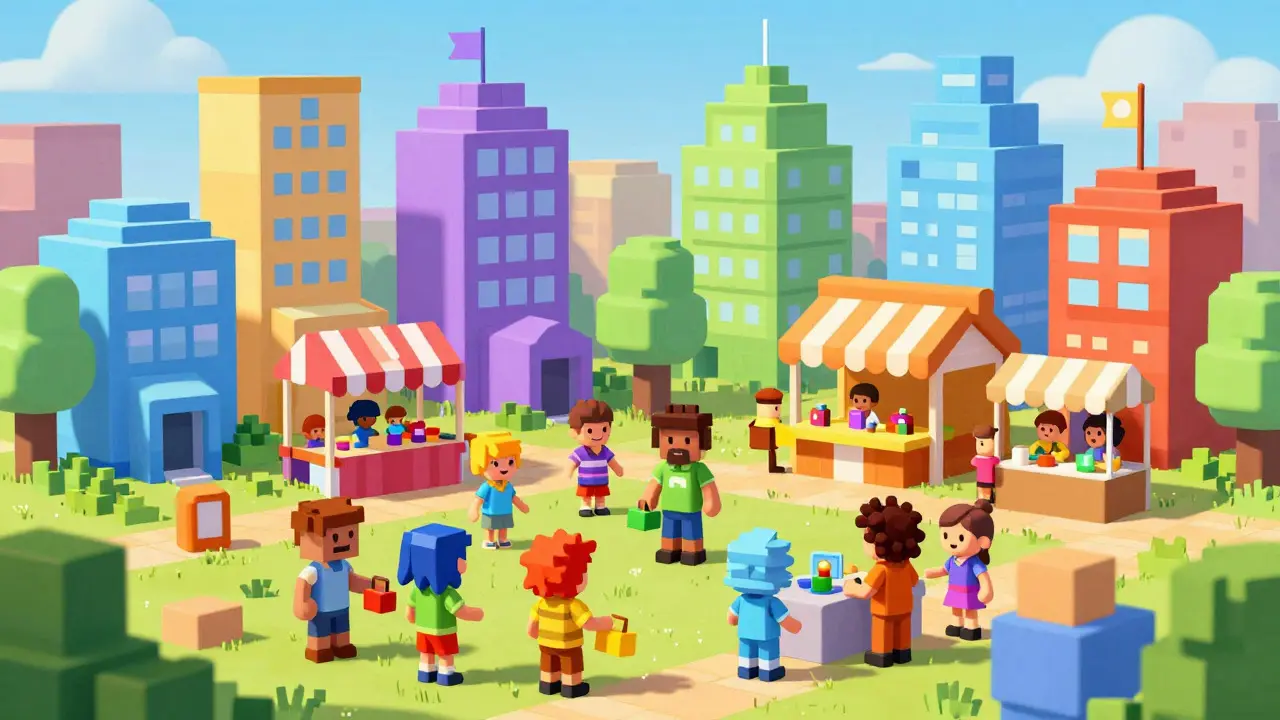
If you remember the hype cycle of 2021, you probably recall pixelated avatars, overpriced virtual land, and a lot of empty promises. But by 2025, the dust has settled, and the survivors are building something tangible. We aren't talking about speculative vaporware anymore. We're looking at persistent digital economies where gaming, commerce, and social interaction actually work together. These platforms combine blockchain technology with high-fidelity graphics and artificial intelligence to create spaces where your time and assets have real-world value.
Whether you are an investor looking for the next big thing, a gamer tired of centralized servers, or a creator wanting to monetize your art, understanding which projects are leading the charge is crucial. The landscape has shifted from 'who can raise the most money' to 'who can retain users.' Here is a breakdown of the major metaverse projects that defined 2025, how they work, and why they matter.
The Sandbox (SAND): The Creator Economy Standard
The Sandbox is a decentralized virtual world on the Ethereum blockchain that allows users to create, own, and monetize their gaming experiences. Since its transition from a mobile game to a blockchain platform, it has become one of the most established names in the space.
What makes The Sandbox stand out isn't just the tech; it's the tools. They offer three main components: VoxEdit for creating voxel-based NFTs without needing complex coding skills, Game Maker for building 3D games, and a Marketplace for trading these assets. This "no-code" approach lowered the barrier to entry for creators significantly. By 2025, this meant thousands of user-generated experiences were live, ranging from simple obstacle courses to complex RPGs.
The economic model relies on the SAND token. You use it for transactions, staking, and governance. A key development in recent years was the integration with the Polygon network. This move allowed for zero-fee transactions and weekly staking rewards, solving one of the biggest pain points in early metaverse adoption: high gas fees. With partnerships involving brands like Atari, CryptoKitties, and even Snoop Dogg, The Sandbox proved that mainstream entertainment could coexist with crypto-native mechanics.
Decentraland (MANA): Virtual Real Estate Pioneer
Decentraland is a pioneering virtual world platform where users purchase, develop, and monetize virtual real estate parcels using the MANA cryptocurrency. If The Sandbox is about creation, Decentraland is about ownership and presence.
Decentraland consistently ranks as a top project because it established the blueprint for virtual land markets. Each parcel of LAND is an NFT on the Ethereum blockchain, giving owners absolute control over what happens on their plot. In 2025, this evolved beyond just buying and holding. Owners are hosting virtual events, art galleries, and commercial establishments that generate real revenue through ticket sales and advertising.
The MANA token fuels this economy. It’s used to buy land, pay for avatar wearables, and participate in the DAO (Decentralized Autonomous Organization) that governs the platform. While the graphics may not match AAA video games, the social layer is robust. It’s where fashion brands host runway shows and where political debates sometimes take place. It remains the go-to destination for those interested in the intersection of digital identity and physical-world branding.
Axie Infinity (AXS): The Play-to-Earn Legacy
Axie Infinity is a blockchain gaming platform that combines collectible creatures called Axies with strategic gameplay, allowing players to earn cryptocurrency rewards. Despite facing significant security challenges and market volatility in 2022, Axie Infinity maintained its position as a leader in the play-to-earn sector.
Why does it still matter? Because it proved that people would grind for crypto. The core loop involves breeding, battling, and trading Axies. In 2025, the focus shifted from pure speculation to sustainable gameplay. The introduction of more balanced game modes and reduced entry costs helped onboard new players who weren't just looking for quick profits but enjoyed the strategy aspect. The AXS token serves as the governance and utility backbone, rewarding active participants in the ecosystem.
Illuvium (ILV): Bringing AAA Quality to Blockchain
Illuvium is a next-generation metaverse gaming project that combines AAA production values with blockchain technology, focusing on high-quality graphics and immersive role-playing elements. For years, critics said blockchain games looked like toys. Illuvium aimed to change that narrative.
Built on the Immutable X layer-2 solution for Ethereum, Illuvium delivers smooth performance and low transaction costs. The game features an open-world RPG component, an auto-battler, and a racing mode. All in-game assets, including characters (Illuvials), vehicles, and weapons, are NFTs. This means true ownership. If you catch a rare Illuvial, it’s yours to trade or sell outside the game environment.
In 2025, Illuvium’s full launch attracted both traditional gamers and crypto natives. The ILV token is used for staking, governance, and earning passive income from player activity. It represents the bridge between high-end entertainment and decentralized economics, proving that you don’t have to sacrifice visual fidelity for blockchain benefits.
MetaHero: Bridging Physical and Digital Avatars
MetaHero is a technologically ambitious project focused on bridging the physical and digital worlds through advanced 3D scanning technology to create cross-platform compatible avatars. Instead of building another world, MetaHero builds the infrastructure for identity across worlds.
The core innovation here is the ability to scan your real body and transform it into a detailed 3D avatar. This avatar isn't locked to one platform; it’s designed to operate across multiple metaverse environments. Think of it as a universal passport for your digital self. The HERO token supports this ecosystem, with a market capitalization reflecting strong interest in interoperability solutions. As the metaverse fragments into many different apps and worlds, having a single, recognizable avatar that follows you everywhere becomes incredibly valuable.
Floki Inu (FLOKI): From Meme Coin to Metaverse Ecosystem
Floki Inu is a cryptocurrency project that evolved from a Viking-themed meme coin into a comprehensive ecosystem featuring Valhalla, a play-to-earn NFT metaverse game. This transformation highlights a broader trend in 2025: meme coins seeking utility to survive.
Valhalla, Floki’s flagship metaverse game, immerses players in a blockchain-powered virtual environment. Participants earn FLOKI tokens through battles and in-game activities. The mainnet launch scheduled for mid-2025 marked a critical transition. It moved FLOKI from being a speculative asset to a functional currency within a living economy. If Valhalla succeeds in retaining users, it could establish Floki as one of the most significant ecosystems in the space, leveraging its massive existing community for rapid adoption.
Virtuals Protocol: AI Agents in the Metaverse
Virtuals Protocol is a cutting-edge platform enabling users to create, co-own, tokenize, and monetize AI agents on blockchain networks. This represents the newest frontier: integrating artificial intelligence into virtual worlds.
Instead of static NPCs (non-player characters), Virtuals Protocol allows for dynamic AI agents that can learn, interact, and generate revenue. Users can own shares of these agents, turning them into community-centric assets. This changes the nature of interaction in the metaverse. Imagine a customer service bot, a personal trainer, or a companion that remembers your conversations and evolves over time, all owned and governed by a decentralized community. This tech suggests that the future metaverse won't just be populated by humans, but by intelligent entities we collectively own.
Specialized Gaming: Derby Stars and VulcanVerse
Not every metaverse project tries to build a whole world. Some focus on niche experiences.
Derby Stars is a specialized metaverse experience focused on horse racing, built on the Polygon blockchain with a dual-token model featuring RUN and CRT tokens. It prioritizes accessibility and fast transactions, making it easy for casual users to jump in. Players earn RUN tokens for tournaments and CRT tokens for training programs.
VulcanVerse is an open-world MMORPG featuring storylines created by renowned fantasy creators, allowing players to own in-game assets as NFTs within the Vulcan Forged ecosystem. It uses PYR and LAVA tokens to reward participation. Part of a larger ecosystem that includes an NFT art platform (Agora) without gas fees, VulcanVerse appeals to fans of deep lore and traditional RPG mechanics who want blockchain ownership.
Comparison of Major Metaverse Projects
| Project | Primary Focus | Blockchain/Base | Key Utility | Target Audience |
|---|---|---|---|---|
| The Sandbox | User-generated content & Games | Ethereum / Polygon | SAND Token | Creators, Brands |
| Decentraland | Virtual Real Estate & Social | Ethereum | MANA Token | Investors, Event Hosts |
| Axie Infinity | Play-to-Earn Strategy | Ethereum / Ronin | AXS Token | Casual Gamers, Earners |
| Illuvium | AAA Open-World RPG | Immutable X (L2) | ILV Token | Hardcore Gamers |
| MetaHero | Cross-Platform Avatar ID | Polygon | HERO Token | Developers, Users |
| Virtuals Protocol | AI Agent Creation | Ethereum L2s | VIRTUAL Token | AI Enthusiasts, Creators |
Challenges and Future Outlook
Despite the progress, the metaverse sector in 2025 faces hurdles. Scalability remains a technical challenge. Even with Layer-2 solutions, handling millions of concurrent users requires robust infrastructure. User experience must continue to improve; connecting wallets and managing keys should be invisible to the average user. Regulatory compliance is also tightening, forcing projects to adapt their tokenomics and data privacy practices.
However, the trajectory is clear. The integration of AI, improved graphics, and cross-platform interoperability is driving the next phase. We are moving from isolated islands to a connected internet of value. Projects that balance technological innovation with practical utility will thrive. Those relying solely on hype will fade. For now, keep an eye on user retention rates and developer activity, not just token price, to gauge true success.
Which metaverse project is best for beginners?
For beginners, The Sandbox or Axie Infinity are often recommended due to their user-friendly interfaces and extensive tutorials. The Sandbox offers no-code tools for creation, while Axie Infinity provides a clear play-to-earn structure. Both have large communities ready to help new users navigate the basics.
Do I need VR headsets to access these metaverses?
No, most major metaverse projects in 2025 are accessible via desktop browsers or mobile devices. While VR headsets enhance immersion, platforms like Decentraland and The Sandbox are fully playable on standard computers. This accessibility helps drive broader adoption among users who do not own expensive hardware.
How do I make money in the metaverse?
There are several ways to earn: playing games (play-to-earn models like Axie Infinity), creating and selling digital assets (NFTs in The Sandbox or VoxEdit), investing in virtual real estate (Decentraland), or staking tokens for passive rewards. Success depends on understanding each platform's specific economy and putting in consistent effort.
Is virtual real estate a good investment in 2025?
Virtual real estate can be lucrative but carries high risk. Prices fluctuate based on platform popularity, brand partnerships, and overall crypto market trends. In 2025, focus on locations near high-traffic areas or brand landmarks in platforms like Decentraland. Always conduct thorough research and avoid buying purely on speculation.
What is the role of AI in the modern metaverse?
AI is transforming static virtual worlds into dynamic environments. Projects like Virtuals Protocol allow users to create and own AI agents that can interact, learn, and generate revenue. This leads to more engaging experiences, personalized services, and new economic opportunities driven by intelligent, autonomous entities within the blockchain ecosystem.
Are metaverse projects safe from hacks?
Security varies by project. Established platforms like The Sandbox and Decentraland undergo regular audits and have robust security teams. However, smart contract vulnerabilities exist. Users should always use reputable wallets, enable two-factor authentication, and verify official links before connecting their assets. Never share private keys.
Can I use my avatar across different metaverse platforms?
Currently, interoperability is limited but improving. Projects like MetaHero are working on standards for cross-platform avatars. While you might not seamlessly carry your exact character from The Sandbox to Decentraland yet, initiatives focused on universal identity layers are gaining traction, promising a more connected future.