Ever clicked on a "free crypto" link and felt that mix of excitement and skepticism? That’s exactly where many folks find themselves when they hear about the BAKECOIN airdrop by Bake Coin. Is it legit? How do you claim it? And more importantly, is it actually worth your time?
Here’s the thing: the world of crypto airdrops is messy. For every legitimate project distributing tokens to early adopters, there are dozens of copycats using similar names to trap unsuspecting users. If you’re seeing buzz around "Bake Coin" or "BAKECOIN," you need to separate the signal from the noise before connecting your wallet.
The Name Game: BAKE vs. BAKECOIN
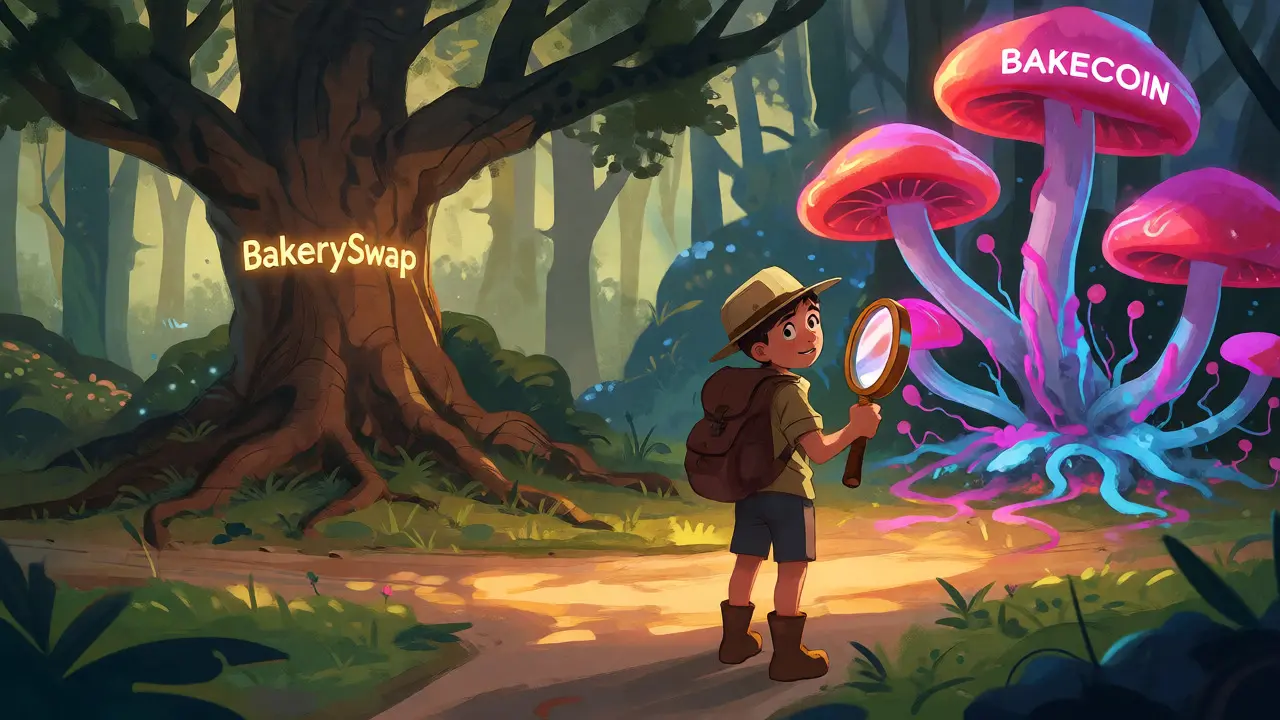
First off, let’s clear up a major confusion point. In the crypto space, naming conventions can be tricky. Most experienced traders know BakerySwap as a leading decentralized exchange on the BNB Chain, which uses the token ticker BAKE. BakerySwap has been around since 2020 and has a solid track record in DeFi (Decentralized Finance) and NFTs.
However, if you are specifically looking for a project called "Bake Coin" with a token named "BAKECOIN," this might be a newer or smaller initiative. Or, it could be a case of mistaken identity. Many scammers create tokens with names like "BakeCoin," "BakeToken," or "BAKE2.0" to piggyback on the reputation of established projects. Always check the contract address. If the contract address doesn’t match the official one listed on reputable aggregators like CoinGecko or CoinMarketCap, proceed with extreme caution.
| Feature | BakerySwap (BAKE) | Newer "Bake Coin" Initiatives |
|---|---|---|
| Token Ticker | BAKE | Often BAKECOIN, BAKE2, etc. |
| Blockchain | BNB Chain (formerly Binance Smart Chain) | Varies (often Ethereum, Solana, or new L2s) |
| Established Since | 2020 | Recent (2024-2026) |
| Primary Utility | Governance, LP rewards, NFT marketplace | Often speculative or community-driven |
| Risk Level | Moderate (established ecosystem) | High (unproven team/utility) |
How Crypto Airdrops Actually Work
If you’re new to this, an airdrop isn’t just free money falling from the sky. It’s a marketing strategy. Projects distribute tokens to get attention, build a community, and decentralize ownership. There are three main types you’ll encounter:
- Bounty Airdrops: You have to do work. Follow them on Twitter, join their Discord, share a post. This filters out bots and ensures participants are actually engaged.
- Holder Airdrops: These are based on snapshots. If you held a specific token (like ETH or BNB) at a certain date and time, you qualify. No action needed other than holding.
- Exclusive/Point-Based Airdrops: The modern standard. Projects use points systems for activities like swapping, providing liquidity, or bridging assets. The more you use the protocol, the bigger your potential drop.
For a hypothetical or emerging Bake Coin airdrop, expect one of these models. If they ask you to connect your wallet to a random website without verifying the URL first, red flags should be waving.

Verifying Legitimacy: Don’t Get Scammed
The biggest risk with any airdrop isn’t missing out; it’s losing what you already have. Scammers love airdrop season because people are eager to click links. Here’s how to protect yourself:
- Check the Official Channels: Go to the project’s official Twitter (X) account and Discord. Do not trust DMs. Legitimate projects rarely DM you first.
- Verify the Contract Address: Copy the token contract address from the official website and paste it into a block explorer (like BscScan for BNB Chain or Etherscan for Ethereum). Does it show recent transactions? Is the supply reasonable?
- Beware of "Claim" Sites: If a site asks you to approve unlimited spending of your main currency (like BNB or ETH) just to claim a small airdrop, walk away. Malicious contracts can drain your wallet.
- No Upfront Fees: Real airdrops don’t require you to send crypto to "verify" your address. If they ask for gas fees upfront via a direct transfer, it’s likely a scam.
The Broader Context: Why Airdrops Matter in 2026
Airdrops have evolved significantly. In 2025, we saw massive distributions like Berachain (BERA), which distributed nearly $700 million worth of tokens, and Kaito AI (KAITO), which targeted NFT holders and active community members. These weren’t just giveaways; they were strategic moves to bootstrap liquidity and governance.
Projects now use airdrops to reward genuine usage. If you’ve been interacting with protocols on the BNB Chain, Polygon, or Arbitrum, you might already be eligible for drops you haven’t even claimed yet. Tools like Layer3, Galxe, or Dune Analytics help track these eligibility criteria.
When evaluating a BAKECOIN opportunity, look at the project’s roadmap. Are they building real utility? Do they have partnerships? Or is it just hype? A token with no use case is worthless, regardless of how many coins you got for free.

What to Do If You Missed the Snapshot
Did the Bake Coin airdrop happen while you were asleep? Don’t panic. Many projects offer secondary distribution phases or allow late claims for a small fee (in their native token). Check their documentation for "post-snapshot" rules.
Also, consider joining their community. Sometimes, active moderators or content creators get special allocations. Your effort in building the community can sometimes outweigh passive holding.
Next Steps for Your Wallet
If you’re interested in the BAKECOIN airdrop, here’s your checklist:
- Research: Find the official whitepaper and team info.
- Connect Safely: Use a burner wallet for initial interactions if possible.
- Track: Set alerts for claim dates on platforms like CoinMarketCap or specialized airdrop trackers.
- Diversify: Don’t put all your eggs in one basket. The crypto market is volatile, and airdropped tokens often dump shortly after listing.
Remember, the goal isn’t just to get free tokens. It’s to understand the ecosystem you’re entering. Whether it’s BakerySwap’s established DeFi platform or a new "Bake Coin" venture, knowledge is your best defense against scams and your best tool for profit.
Is BAKECOIN the same as BakerySwap (BAKE)?
Not necessarily. BakerySwap uses the ticker BAKE and is a well-known DEX on BNB Chain. "BAKECOIN" might refer to a different, potentially newer project, or it could be a misnomer used by scammers. Always verify the smart contract address to confirm which token you are dealing with.
Do I need to pay a fee to claim my airdrop?
Legitimate airdrops usually require you to pay network gas fees (like BNB or ETH) to claim the tokens to your wallet. However, you should never have to send a large amount of crypto upfront to "register" or "verify" your address. Be wary of sites asking for significant transfers.
How can I tell if an airdrop is a scam?
Red flags include: poor website design, lack of social media presence, requests for private keys, and pressure to act immediately. Always cross-reference the project name and contract address on trusted platforms like CoinGecko or CoinMarketCap.
What happens to airdropped tokens if I don't claim them?
It depends on the project's policy. Some tokens expire after a certain period, while others remain claimable indefinitely. Check the official announcement or whitepaper for specific claim deadlines.
Can I sell airdropped tokens immediately?
Usually, yes, once the token is listed on exchanges or available in a liquidity pool. However, some projects impose vesting schedules where you can only access a portion of your tokens initially. Selling too quickly can also impact the price due to low liquidity.