Transparency in Voting: How Blockchain Makes Digital Governance Fairer
When you think about transparency in voting, the ability to verify that votes are counted accurately without hidden manipulation. It’s not just about elections—it’s about who gets to decide in any digital system, from DAOs to token-governed platforms. Most online voting systems today are black boxes. You click a button, and hope it counts. But what if you could see every vote, prove it was yours, and know no one tampered with it? That’s where blockchain comes in.
blockchain voting, a system where votes are recorded on a public, immutable ledger. It’s not magic—it’s math. Each vote becomes a cryptographically signed transaction, linked to the last, so altering one means rewriting the whole chain. And it’s not just for big elections. Projects like Humanode (HMND), a biometric blockchain where one real human equals one node and one vote use fingerprint or facial scans to ensure only one vote per person—no fake accounts, no bot farms. No token ownership needed. Just you, your identity, and a verified vote.
But how do you prove you’re human without handing over your driver’s license or social security number? That’s where zero-knowledge proofs, a cryptographic method that lets you prove something is true without revealing the underlying data come in. You can prove you’re eligible to vote without saying who you are, where you live, or what you voted for. This isn’t theory—it’s already used in privacy-preserving identity systems that keep your data safe while still enabling trust.
And it’s not just about security. It’s about fairness. In traditional crypto voting, the person with the most tokens gets the most power. That’s not democracy—it’s wealth concentration. one human one vote, the principle that every individual, regardless of wealth, gets equal influence flips that script. It’s why projects like Humanode and others are building systems where your identity—not your wallet—determines your voice.
But transparency doesn’t mean everything is public. The best systems balance openness with privacy. You should be able to audit the results, but not track who voted how. That’s the tightrope walk modern voting tech is learning. And it’s why some airdrops and token launches fail—because they promise fairness but deliver opacity. SHREW vanished. OKFLY disappeared. 2CRZ left no trail. People don’t trust systems they can’t verify.
What you’ll find below are real examples of what works—and what doesn’t. From biometric blockchains that lock votes to identity to exchanges that hide their team and audits, the difference is clear. Transparency isn’t a buzzword. It’s the line between a system you can trust and one that’s just a gamble with your data.
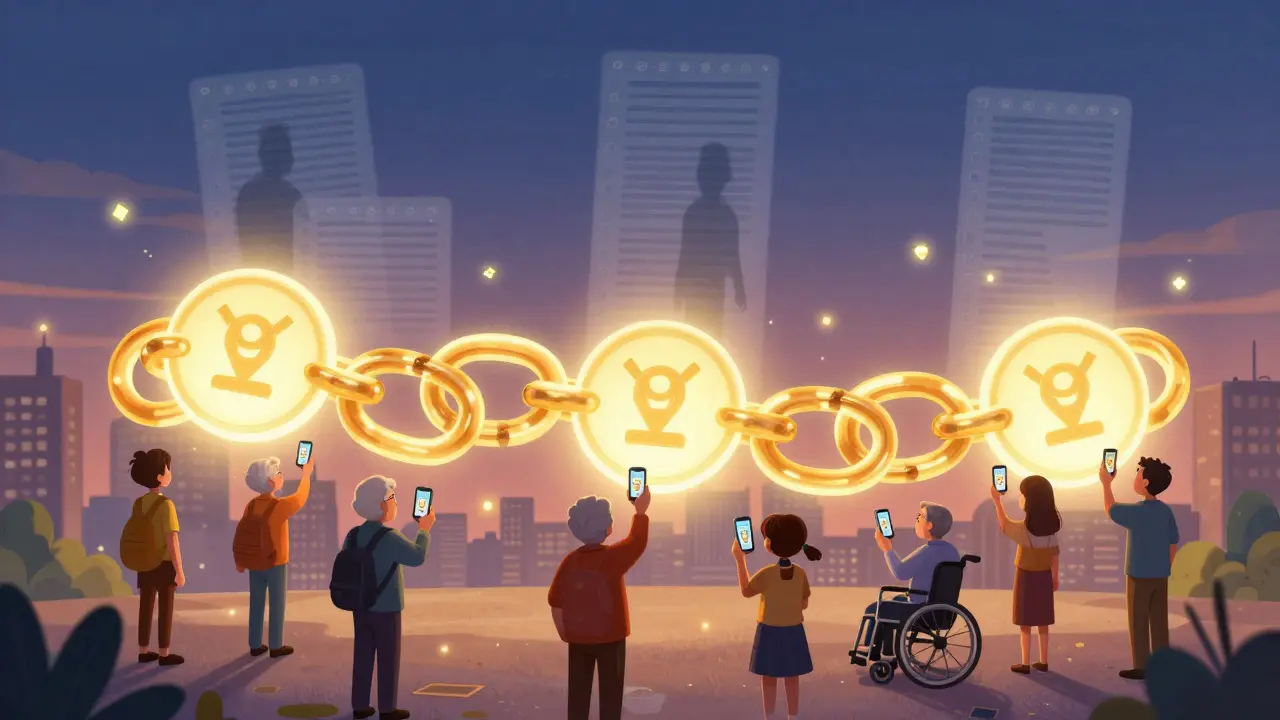
Transparency and Auditability in Blockchain Voting: How It Works and Why It Matters
Blockchain voting uses cryptography and decentralization to make elections transparent and auditable. Every vote is publicly verifiable, tamper-proof, and private. Real pilots in West Virginia and Estonia show it works.