Cryptocurrency Risk: What You Need to Know Before You Invest
When you hear cryptocurrency risk, the potential for financial loss, fraud, or regulatory crackdowns when using digital assets. Also known as crypto risk, it's not just about prices going down—it's about losing everything because a token has no team, no code, and no future. Most people think risk means volatility. It does—but that’s the easy part. The real danger is investing in something that doesn’t exist.
Take crypto scams, fraudulent projects designed to trick investors into buying worthless tokens. The 2CRZ airdrop promised free money but disappeared without a trace. InspireAI (INSP) had no website, no team, and a 98% crash. These aren’t outliers—they’re the norm. Over 90% of new crypto tokens launched in 2024 had zero trading volume within six months. If a project doesn’t have a public team, real audits, or active users, it’s not an investment. It’s a gamble with no odds.
crypto regulation, government rules that can freeze accounts, ban exchanges, or make holdings illegal overnight adds another layer. Ecuador doesn’t ban crypto, but banks block all transactions. Myanmar shuts down bank accounts for anyone caught trading. Switzerland lets you build crypto businesses with clear tax rules—but only if you’re in Zug. Where you live changes what’s safe. And if you’re trading on a platform like NinjaSwap or iExchange, you’re not even on a real exchange—you’re using a ghost app with no liquidity, no support, and no safety net.
Then there’s crypto security, the risk of losing funds to hacks, phishing, or bad wallet practices. Even if a coin is real, your money can vanish if you use a sketchy wallet or click a fake link. The most dangerous part? You won’t get your money back. There’s no bank to call. No FDIC insurance. No refund button.
You’ll find posts here that show you exactly what to avoid: meme coins with no utility, exchanges that don’t exist, airdrops that vanish, and tokens that crashed 99% because no one cared. These aren’t hypotheticals. These are real cases—people lost real money. The goal isn’t to scare you. It’s to help you see through the noise. If you’re going to invest in crypto, you need to know what’s real, what’s rigged, and what’s just gone.
US Degen Index 6900 (DXY) Crypto: What It Really Is and Why It's High Risk
US Degen Index 6900 (DXY) is a memecoin with no utility, inconsistent market data, and high risk of loss. Learn why experts warn against it and how it compares to legitimate cryptocurrencies.
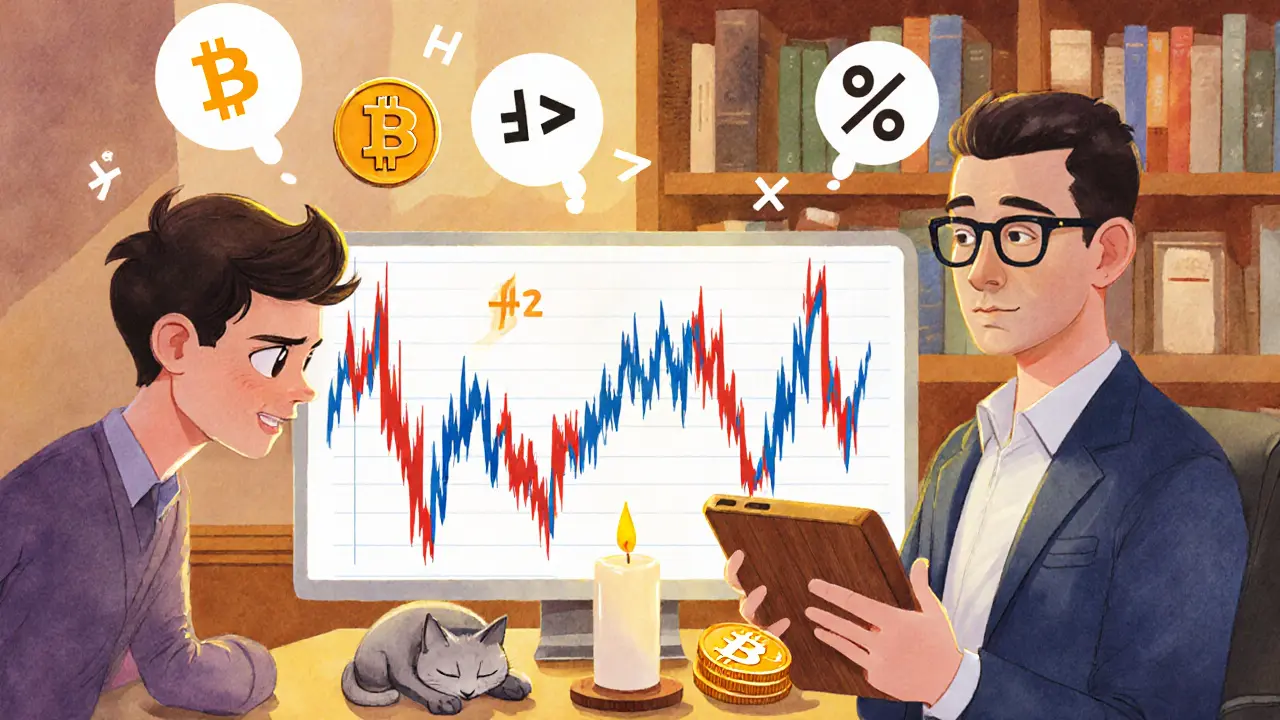
Historical Volatility Analysis of Major Cryptocurrencies: How Traders Use Past Price Swings to Manage Risk
Historical volatility analysis helps crypto traders understand past price swings to manage risk better. Learn how Bitcoin and Ethereum volatility compares, which tools to use, and how pros adjust trades based on real data.