Biometric Blockchain: How Identity and Crypto Meet for Secure Systems
When you think of biometric blockchain, a system that links unique biological traits like fingerprints or facial scans to a tamper-proof blockchain ledger. Also known as identity-based blockchain verification, it removes the need for passwords and replaces them with something you are — not something you remember. This isn’t science fiction. It’s already being tested in government ID programs, border control, and even crypto exchanges that want to skip KYC forms without sacrificing security.
At its core, biometric blockchain, a system that links unique biological traits like fingerprints or facial scans to a tamper-proof blockchain ledger. Also known as identity-based blockchain verification, it removes the need for passwords and replaces them with something you are — not something you remember. This isn’t science fiction. It’s already being tested in government ID programs, border control, and even crypto exchanges that want to skip KYC forms without sacrificing security.
What makes this powerful is how it works with zero-knowledge proofs, a cryptographic method that lets you prove you’re who you say you are without showing any personal data. Imagine proving you’re over 18 to access a service — without showing your ID, birthdate, or even your name. That’s what zero-knowledge proofs do. They pair perfectly with decentralized identifiers, unique digital IDs you own and control, not a company or government. Together, they let you verify your identity on-chain without ever handing over your biometric data. Your fingerprint never leaves your phone. The blockchain only sees a yes or no.
This matters because traditional crypto wallets and exchanges still rely on email, SMS, or documents — all of which can be stolen, hacked, or faked. With biometric blockchain, your identity becomes as secure as your private key — but way harder to lose. You don’t need to remember a 12-word phrase. You just unlock your wallet with your face. And because it’s on-chain, no central authority can freeze or delete your access.
You’ll see this concept pop up in posts about cryptographic encryption, where hash functions and public keys lock down data so only the right person can unlock it. You’ll also find real-world examples: how Estonia uses blockchain for digital IDs, how some DeFi platforms now accept biometric login, and why scams targeting fake airdrops still fail when real identity checks are built in. Some projects tried to use biometrics for loyalty tokens — and failed. Others built systems that actually work. The difference? Transparency, control, and real encryption.
What you’ll find here isn’t theory. It’s the messy, real, sometimes broken, sometimes brilliant attempts to merge human identity with blockchain. Some ideas died. Others are quietly changing how we prove who we are online. Whether you’re tired of resetting passwords, worried about identity theft, or just curious how crypto keeps you safe — this collection shows you what’s working, what’s not, and why it all comes down to one thing: trust without handing over your data.
What is Humanode (HMND) Crypto Coin? The Biometric Blockchain Explained
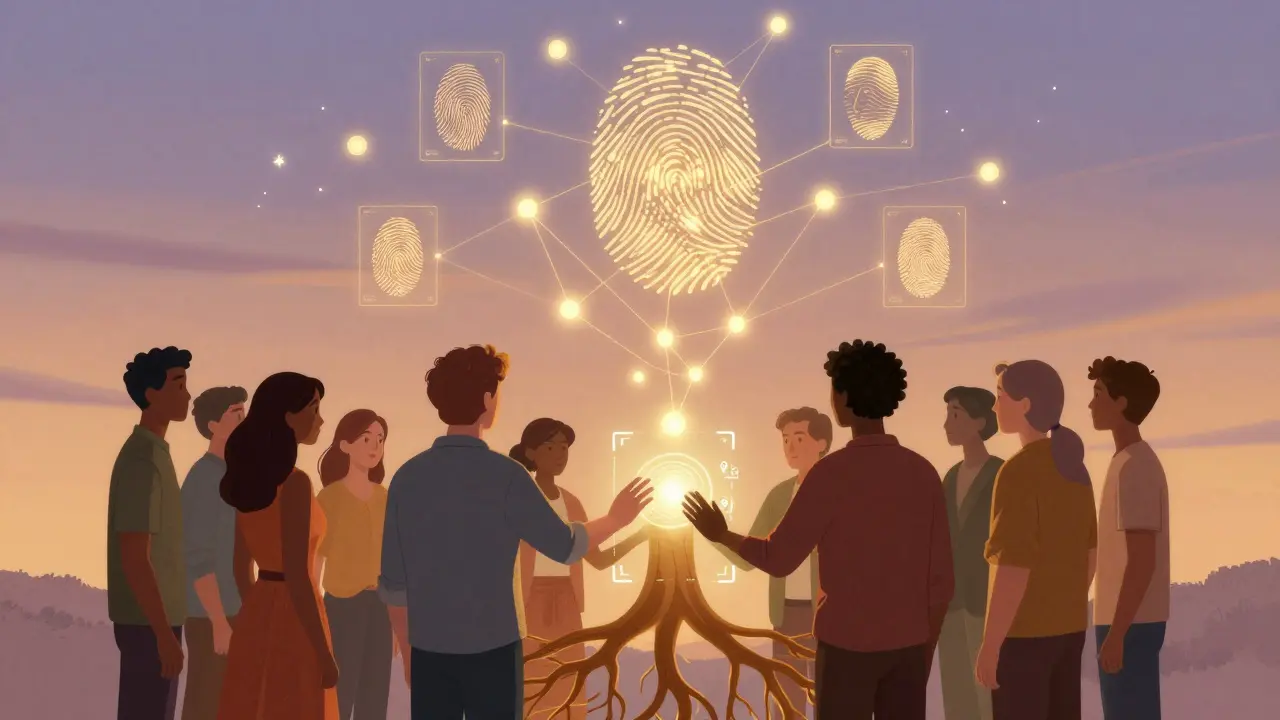
Humanode (HMND) is a biometric blockchain where one real human equals one node and one vote. Unlike other cryptos, it doesn't require token ownership to participate. Instead, it uses facial or fingerprint scans to verify identity, aiming to create fairer digital governance.