It is 2026, and the landscape of cryptocurrency mining has shifted dramatically. If you are looking to earn crypto by contributing computing power, you face a critical choice: do you join the high-stakes arena of Bitcoin mining, which requires industrial-grade equipment and deep pockets, or do you explore the more accessible world of altcoin mining, where consumer hardware might still yield profits?
The answer isn't simple. It depends entirely on your budget, your access to cheap electricity, and your tolerance for risk. For most individual hobbyists, Bitcoin mining is now a pipe dream unless they have access to subsidized energy. However, for those with capital, it remains the gold standard of stability. Let's break down exactly how these two paths differ in terms of hardware, profit potential, and long-term viability.
The Hardware Barrier: ASICs vs. GPUs and CPUs
The most immediate difference between mining Bitcoin and mining altcoins is the hardware required. This single factor determines who can play the game.
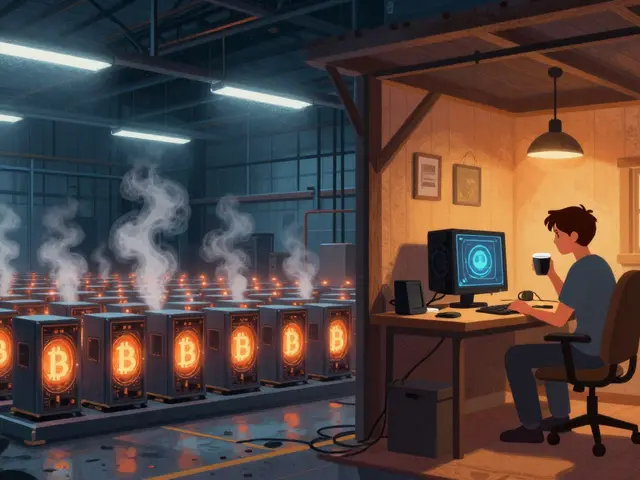
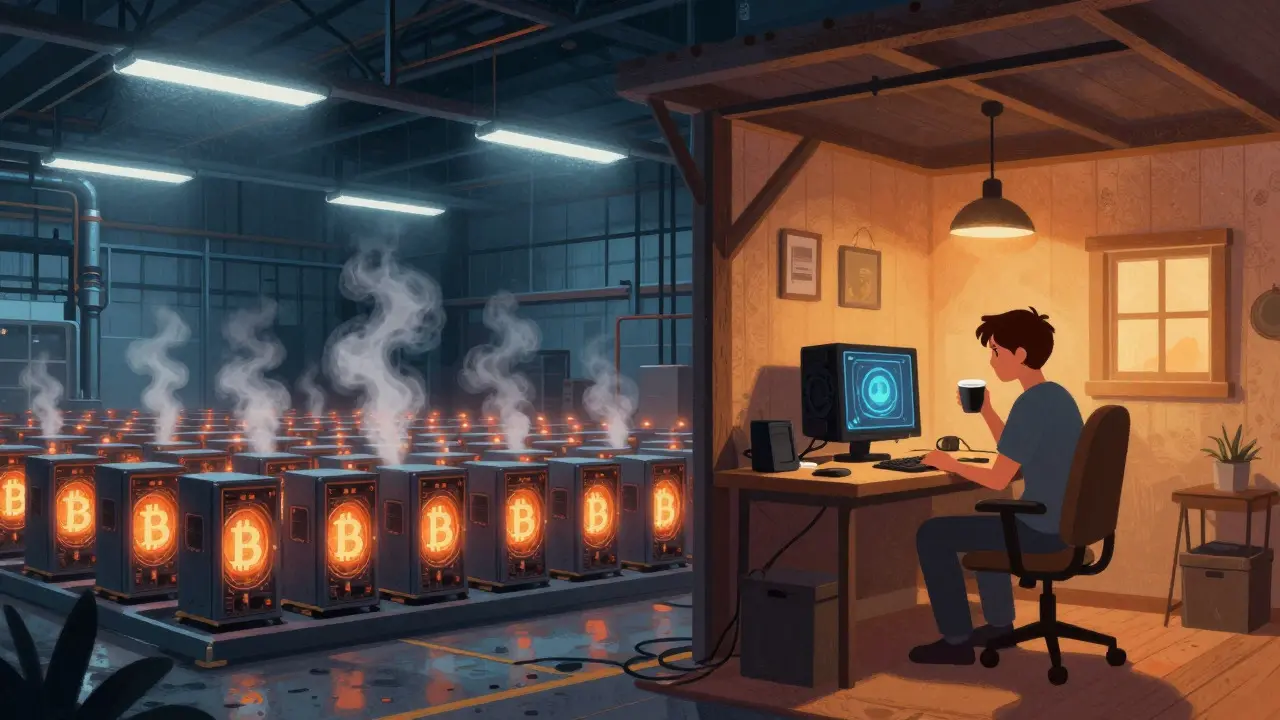
Bitcoin relies exclusively on Application-Specific Integrated Circuits (ASICs). These are specialized machines designed for one task only: solving the SHA-256 cryptographic puzzles that secure the Bitcoin network. You cannot mine Bitcoin efficiently with a gaming PC. As of 2026, competitive models like the Whatsminer M20S or newer Bitmain Antminers cost thousands of dollars each. They are loud, hot, and require dedicated electrical circuits.
In contrast, many popular altcoins were designed specifically to resist this kind of centralization. Take Monero, for example. Launched in 2014, Monero uses the RandomX algorithm, which is optimized for general-purpose processors. This means you can mine Monero using the CPU or GPU already inside your desktop computer. There is no need to buy expensive, single-use ASICs. Similarly, Ethereum Classic and other privacy-focused coins often remain mineable with graphics cards, allowing gamers and tech enthusiasts to repurpose existing hardware.
This hardware distinction creates two very different entry points. Bitcoin mining is an industrial operation. Altcoin mining, particularly with coins like Monero or Litecoin (which can be merged mined), allows for a "garage miner" approach where the barrier to entry is significantly lower.
Profitability Dynamics: Stability vs. Volatility
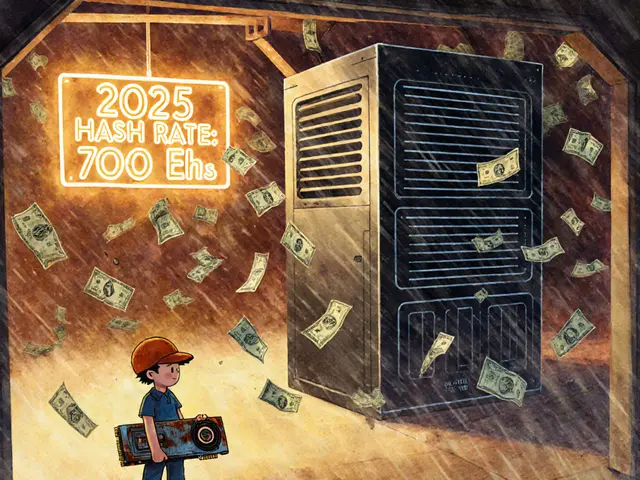
When we talk about making money, we have to look at both revenue and costs. The 2024 Bitcoin halving reduced block rewards to 3.125 BTC, squeezing margins for everyone. By 2026, the network hash rate has reached all-time highs, meaning competition is fiercer than ever.
| Feature | Bitcoin (BTC) | Litecoin (LTC) | Monero (XMR) |
|---|---|---|---|
| Hardware Type | ASIC Only | ASIC / GPU | CPU / GPU |
| Block Time | 10 minutes | 2.5 minutes | ~2 minutes |
| Initial Cost | High ($5k+ per unit) | Medium ($1k-$3k) | Low (Existing PC) |
| Market Stability | Very High | Moderate | Lower (Privacy Sector) |
| Centralization Risk | High (Large Farms) | Medium | Low (ASIC Resistant) |
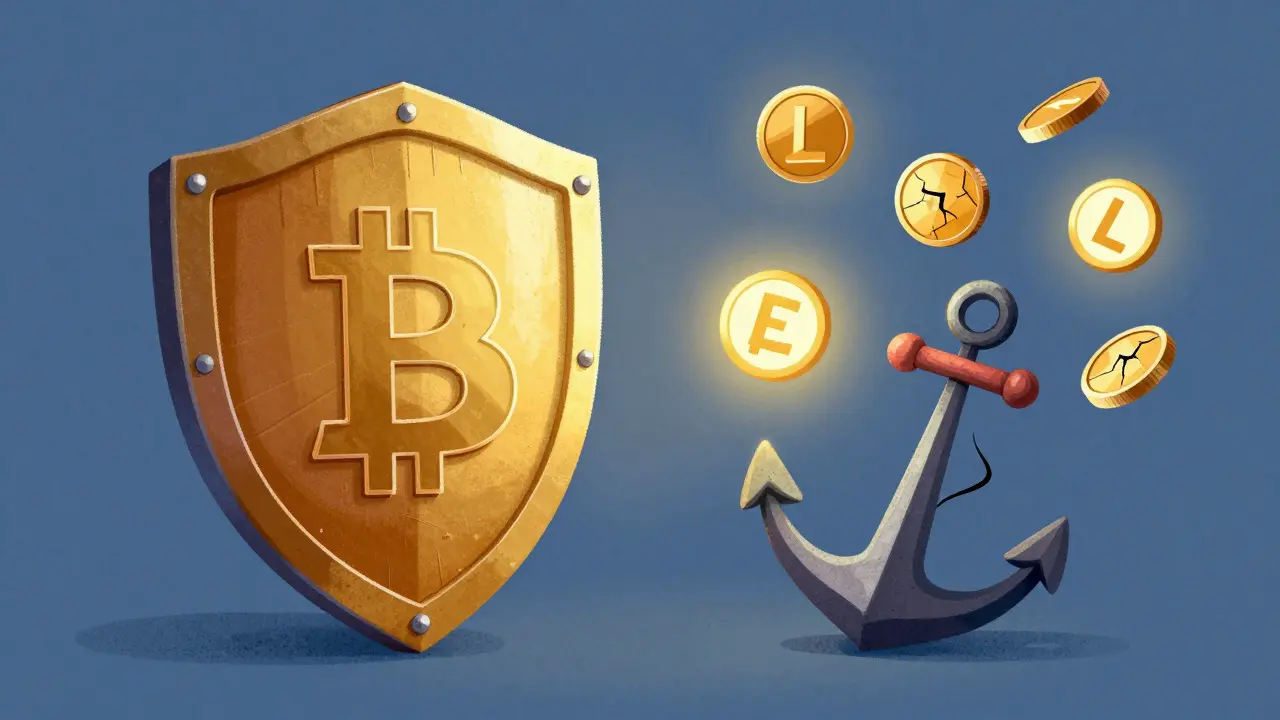
Bitcoin offers predictability. Its market cap is massive, and its price movements, while volatile compared to stocks, are less erratic than smaller altcoins. If you own efficient ASICs and pay under $0.05 per kWh for electricity, Bitcoin mining can generate steady, albeit modest, daily returns. Experts from firms like Bitdeer note that Bitcoin mining is a long-term hold strategy; you are betting on the appreciation of the asset over years, not days.
Altcoins offer a different profile. Coins like Litecoin provide faster block times (every 2.5 minutes versus Bitcoin’s 10). This means you see payouts more frequently, which can feel more rewarding psychologically. Furthermore, Litecoin supports merged mining with Dogecoin, allowing you to earn two currencies simultaneously without extra effort. However, altcoin prices are subject to higher volatility. A sudden drop in the price of Monero or Ethereum Classic can wipe out weeks of mining profits instantly.
Energy Costs: The Silent Killer
No discussion of mining is complete without addressing electricity. In 2026, energy is the primary operational expense for any miner. Whether you choose Bitcoin or altcoins, if your electricity rate is above $0.10 per kWh, you are likely losing money.
For Bitcoin miners, the threshold is even stricter. Large-scale operations in regions like Texas, Kazakhstan, or parts of Australia rely on securing rates below $0.05 per kWh to remain profitable after the 2024 halving. If you are mining from your home in Perth or New York on residential rates, Bitcoin mining is mathematically unviable with current hardware efficiency.
Altcoin mining is slightly more forgiving because the hardware requirements are lower, but the principle remains the same. Mining Monero with a modern CPU generates heat and consumes power. You must calculate your "profit per watt." If your rig draws 300 watts and earns $0.50 a day, but electricity costs $0.30 of that, your net profit is negligible. Many hobbyists forget to account for cooling costs, which can add another 10-20% to their energy bill during summer months.
Accessibility and Community Support
If you are new to mining, the learning curve varies significantly between the two paths. Bitcoin mining infrastructure is mature. There are established pools like Foundry USA or Antpool, extensive documentation, and professional support services. However, setting up a farm involves complex logistics: managing heat dissipation, noise reduction, and three-phase power connections.
Altcoin mining communities, particularly around Monero and Zcash, are incredibly welcoming to beginners. Platforms like Reddit’s r/MoneroMining or dedicated forums offer step-by-step guides for installing software like XMRig on a standard Windows or Linux machine. You can start mining Monero within an hour of buying a used GPU. The community values decentralization, so there is less pressure to join massive pools; solo mining or small pool participation is common and respected.
However, this accessibility comes with a trade-off. Altcoin networks can be less stable. Smaller networks may experience longer confirmation times or occasional forks. Bitcoin’s network security is unparalleled; it is virtually impossible to attack. With smaller altcoins, the risk of a 51% attack, while rare, is theoretically higher due to lower total hash rates.
Future Outlook: Where Will Mining Go in 2027?
Looking ahead, the trend for Bitcoin is clear: consolidation. The industry is moving toward larger, more efficient facilities located near renewable energy sources. Individual miners will find it increasingly difficult to compete unless they form cooperatives or access stranded energy resources.
For altcoins, the future is fragmented. Some projects may transition away from Proof of Work (PoW) entirely, following Ethereum’s shift to Proof of Stake. However, privacy coins like Monero have a strong ideological commitment to PoW as a defense against surveillance and centralization. This ensures a sustained demand for CPU/GPU mining power. Additionally, new altcoins may emerge with novel algorithms that balance efficiency and accessibility, offering fresh opportunities for early adopters.
Ultimately, the choice depends on your goals. If you want to participate in the most secure, recognized digital asset network and have the capital for industrial hardware, Bitcoin is the path. If you prefer flexibility, lower upfront costs, and the ability to use existing technology, altcoin mining offers a viable, albeit riskier, alternative.
Is Bitcoin mining still profitable for individuals in 2026?
For most individuals mining from home on residential electricity rates, Bitcoin mining is no longer profitable due to high hardware costs and intense competition from large farms. It is generally only viable if you have access to industrial-level electricity rates (below $0.05/kWh) or free/renewable energy sources.
What is the best altcoin to mine with a gaming PC?
Monero (XMR) is widely considered the best option for gaming PCs because it is ASIC-resistant and optimized for CPUs and GPUs. Other options include Ethereum Classic (ETC) or Ravencoin, depending on your specific GPU model and current network difficulty levels.
How does merged mining work with Litecoin?
Merged mining allows you to mine Litecoin and Dogecoin simultaneously using the same computational power. Since both use similar algorithms (Scrypt), miners can solve blocks for both networks at once, earning rewards in both cryptocurrencies without additional energy costs.
Do I need an ASIC miner to mine any cryptocurrency?
No. While Bitcoin requires ASICs, many altcoins like Monero, Zcash, and Verge can be mined with standard CPUs or GPUs. ASICs are only necessary for coins that use algorithms dominated by specialized hardware, such as Bitcoin (SHA-256) or Litecoin (Scrypt).
What are the main risks of altcoin mining?
The primary risks include high price volatility, which can erode profits quickly, and the potential for some projects to abandon Proof of Work in favor of other consensus mechanisms. Additionally, smaller networks may have lower security guarantees compared to Bitcoin.