LNR Airdrop Eligibility Checker
How the LNR Airdrop Worked
The LNR airdrop distributed exactly 140 unique NFTs in early 2022 through CoinMarketCap. To qualify, you needed to complete all three requirements before the deadline. This tool helps you determine if you would have qualified based on the original requirements.
Entry Requirements
- 1. Retweet the official LNR airdrop tweet
- 2. Tag exactly 3 friends in your retweet
- 3. Join the official LNR Telegram group
- 4. Submit a BSC wallet address (BNB Chain)
Would You Have Qualified?
The LNR airdrop wasn’t just another free token drop. It was a tightly controlled NFT giveaway that handed out exactly 140 unique digital collectibles - no more, no less. If you missed it, you missed it for good. There’s no second chance. No replay. No refund. And if you’re wondering whether you could’ve gotten one, or how it actually worked behind the scenes, here’s the full breakdown - no fluff, no hype, just what happened.
What Was the LNR Airdrop?
The LNR (Lunar) airdrop was a limited NFT distribution campaign run in partnership with CoinMarketCap in early 2022. Unlike most airdrops that give away hundreds of thousands of tokens, this one gave out 140 NFTs. That’s it. Each winner got one NFT. No partials. No multiples. No bulk claims. The scarcity wasn’t just marketing - it was baked into the design. The Lunar project, which was focused on DeFi and blockchain-based financial tools, used this airdrop to build real community engagement. Instead of just handing out tokens to wallets with minimum balances, they wanted people to actively participate - to follow, share, join, and stick around.How to Enter the LNR Airdrop
Getting in wasn’t hard, but it required three specific steps. Skip one, and you were out.- Retweet the official Lunar airdrop tweet from @lnrdefi on Twitter. That tweet had the exact rules and deadline.
- Tag three friends in your retweet. This wasn’t optional. It was the viral engine. The more people you tagged, the more the campaign spread - and the more likely Lunar was to get new users.
- Join the official Lunar Telegram group at t.me/lnrdefi. This kept participants in the loop for updates, announcements, and future airdrops.
Why BSC? Why NFTs?
Lunar chose Binance Smart Chain for a few solid reasons. Transaction fees were low - under $0.10 per interaction. Settlements were fast. And in 2022, BSC was still the go-to chain for DeFi projects trying to reach everyday users without asking them to pay $50 in gas fees just to claim a free NFT. The NFT reward was the real twist. Most airdrops give you tokens you can sell immediately. This gave you a digital collectible - something with no guaranteed resale value, but potentially unique utility. Maybe it unlocked future airdrops. Maybe it gave access to a private Discord. Maybe it was just a badge of honor. No one publicly confirmed what the NFT did after distribution. That uncertainty was part of the design. It created mystery. And mystery drives long-term interest.Who Ran the Airdrop? CoinMarketCap or Lunar?
CoinMarketCap hosted the form and promoted the campaign. That gave it credibility. People trusted CoinMarketCap. But the actual winner selection, NFT minting, and distribution? That was all handled by the Lunar team. CoinMarketCap didn’t verify wallet addresses. They didn’t check if you really tagged three friends. They didn’t even know who won. Lunar did. And if you didn’t get your NFT, you had to reach out to Lunar directly. There was no customer support portal on CoinMarketCap. No ticket system. Just a Twitter DM or a message in Telegram. This is important: if you entered but never got your NFT, it wasn’t a glitch. It was likely because you didn’t meet the full criteria - maybe you tagged only two people, or your wallet didn’t support BSC, or you submitted the form after the deadline. Lunar didn’t make exceptions.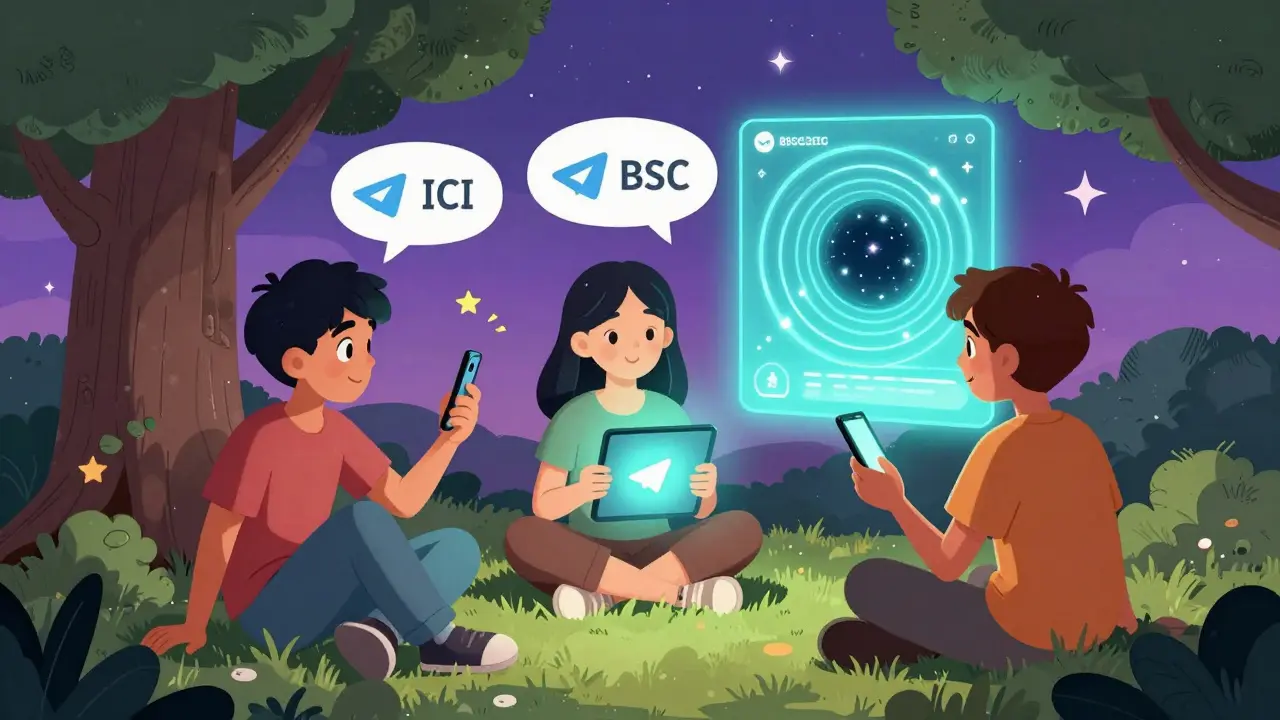
Why Only 140 NFTs?
One hundred and forty isn’t random. It’s small. Intentionally small. Most airdrops give away 10,000+ tokens. That’s easy to distribute. But 140 NFTs? That’s a curated list. That’s exclusivity. That’s a collector’s item. It turns a freebie into something people might show off. It also made sense financially. Minting 140 NFTs on BSC cost maybe $20 total in gas. Minting 14,000 would’ve cost $2,000. For a small project with limited funding, that difference mattered. Plus, limiting the supply meant winners had something rare. And rarity creates value - even if that value is just social capital in crypto circles.Was It Worth It?
For the winners? Maybe. If you got one of those NFTs, you had something few others did. You were part of a small, early group. You had proof you were involved from the start. For everyone else? It was a learning experience. This airdrop taught people that not all free crypto is created equal. Some require real effort. Some have real limits. And some - like this one - were designed to build community, not just distribute tokens. It also showed that NFTs weren’t just for art or gaming. They could be used as membership passes, loyalty rewards, or engagement badges in DeFi projects.What Happened After?
The campaign ended. The NFTs were distributed. The Twitter thread went quiet. The Telegram group still exists, but activity dropped off. Lunar didn’t launch any major updates tied to the NFTs. No marketplace. No staking. No utility upgrade. Some winners sold their NFTs on secondary markets for a few dollars. Others kept them as souvenirs. A few still hold them, hoping Lunar might revive the project someday. The airdrop didn’t make Lunar a household name. But it did give them 140 real, active community members - people who had skin in the game. That’s more than most airdrops achieve.
Could This Happen Again?
Unlikely. The crypto market changed. Airdrops now face stricter regulations. Platforms like CoinMarketCap have tightened their policies. And projects are more cautious about spending on marketing. But the model? The one Lunar used - tight limits, social sharing, community focus, NFT rewards - that’s still valid. If a new project wants to build real engagement instead of just grabbing wallets, they’ll use something like this again. Just remember: if you see a new airdrop with a low cap, a social requirement, and an NFT reward - don’t assume it’s a scam. It might just be the old-school way of doing things, done right.How to Spot a Legit Airdrop Like This
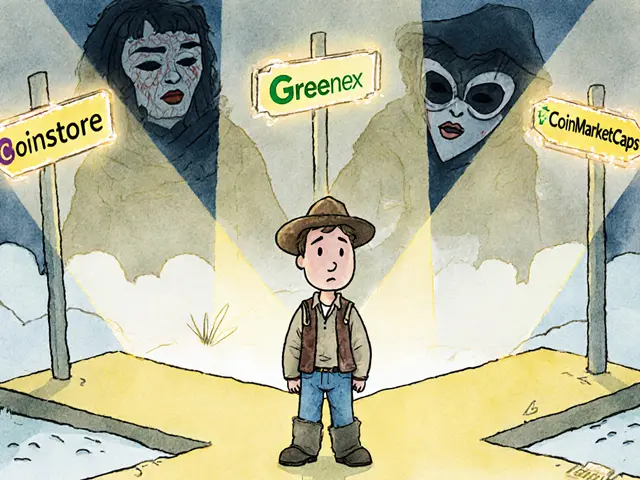
Not every airdrop is trustworthy. Here’s how to tell if one’s real:- Check the official project Twitter and Telegram. Are they active? Do they have verified badges?
- Look for a CoinMarketCap or CoinGecko listing. Legit projects list there before running airdrops.
- Never send crypto to claim a reward. If they ask for funds, it’s a scam.
- Verify the wallet address format. BSC wallets start with 0x, same as Ethereum - but they only work on BNB Chain.
- Search for past winners. If no one’s posted about receiving their NFT, be skeptical.
Final Thoughts
The LNR airdrop wasn’t about getting rich. It was about being part of something small, early, and intentional. It didn’t promise moonshots. It just asked you to share, join, and show up. If you got one of those 140 NFTs - you earned it. If you didn’t - you missed a rare moment in crypto history. Not because you were late. But because you didn’t do the three simple things it asked for. Airdrops like this don’t come often. When they do, pay attention. Because sometimes, the best rewards aren’t the biggest ones - they’re the ones that actually mean something.Was the LNR airdrop real or a scam?
The LNR airdrop was real. It was hosted on CoinMarketCap, required verified social media actions, and distributed NFTs on the BNB Chain. Winners received actual NFTs, and multiple users posted proof of receipt on Twitter and Telegram. It followed standard industry practices for 2022 and was not a phishing or rug-pull scheme.
Can I still claim the LNR NFTs?
No. The airdrop ended in early 2022. The 140 NFTs were fully distributed, and the submission form on CoinMarketCap has been taken down. There is no active way to claim them now. Any website or person offering to help you claim them now is likely trying to scam you.
What wallet do I need for future airdrops like this?
For BNB Chain airdrops, you need a wallet that supports BSC - like MetaMask, Trust Wallet, or Rabby Wallet. Make sure it’s set to the Binance Smart Chain network. Never use an exchange wallet (like Binance.com) for airdrops - you won’t be able to receive NFTs or tokens directly.
Why did Lunar use NFTs instead of tokens?
Lunar used NFTs to create scarcity and long-term engagement. Unlike tokens, which can be sold immediately, NFTs are unique and harder to liquidate. This encouraged participants to stay involved in the community, hoping the NFTs might unlock future benefits. It also helped distinguish the project from other token-based airdrops flooding the market at the time.
Did anyone profit from the LNR NFTs after the airdrop?
Some winners sold their LNR NFTs on secondary marketplaces like OpenSea or LooksRare for a few dollars each. Most didn’t trade them. There was no official marketplace or utility tied to the NFTs, so their value was mostly sentimental or speculative. No major price surge occurred, and they never became widely traded assets.
Is Lunar still active today?
As of 2025, the Lunar project is inactive. Its website is offline, its Twitter account hasn’t posted since 2023, and its Telegram group is mostly quiet. The LNR token is no longer listed on major exchanges. The airdrop remains one of the last known public actions from the team.
Jon Visotzky
December 5, 2025 AT 03:35Isha Kaur
December 6, 2025 AT 16:03Glenn Jones
December 8, 2025 AT 07:04Tisha Berg
December 8, 2025 AT 08:00Nelson Issangya
December 9, 2025 AT 20:18nicholas forbes
December 10, 2025 AT 11:30Regina Jestrow
December 10, 2025 AT 12:32Martin Hansen
December 11, 2025 AT 01:16Lore Vanvliet
December 11, 2025 AT 13:10Scott Sơn
December 13, 2025 AT 01:46Stanley Wong
December 13, 2025 AT 07:13miriam gionfriddo
December 13, 2025 AT 20:44Kenneth Ljungström
December 15, 2025 AT 04:11Brooke Schmalbach
December 16, 2025 AT 07:59Tom Van bergen
December 17, 2025 AT 06:25Ben VanDyk
December 17, 2025 AT 19:12Jon Visotzky
December 17, 2025 AT 21:56