Supreme Court crypto ruling: What it means for Bitcoin, regulation, and your wallet
When the Supreme Court crypto ruling, a legal decision by the highest court in the U.S. that could redefine how cryptocurrencies are classified and regulated comes down, it doesn’t just affect lawyers and Wall Street—it changes what you can do with your Bitcoin, Ethereum, or any other token in your wallet. This isn’t about theory. It’s about whether your crypto stays yours, or if the government gets to decide how you use it, trade it, or even hold it. The SEC, the U.S. Securities and Exchange Commission, which has been aggressively treating most cryptocurrencies as securities has been waging a war on crypto for years, suing exchanges, labeling tokens as unregistered securities, and pushing for tighter control. But now, the Supreme Court, the final arbiter of U.S. law, with power to overturn agency actions and interpret statutes might finally step in to say: enough.
Here’s the real issue: the SEC claims that most crypto tokens are securities, meaning they need to be registered like stocks. But crypto isn’t stocks. Bitcoin wasn’t sold as an investment contract—it was created as open-source software. Ethereum started as a platform, not a pitch to investors. The crypto regulation, the set of laws and enforcement actions governing digital assets, often applied inconsistently across agencies we have now was built on guesswork, not clear law. Courts have been split. Some sided with the SEC. Others said the agency overstepped. That’s why the Supreme Court’s ruling matters—it could set the first nationwide standard. If the Court says the SEC can’t just label tokens as securities without Congress saying so, it could shut down half their enforcement cases overnight. If they side with the SEC, it could mean years of legal uncertainty, forcing exchanges to delist tokens, developers to shut down projects, and investors to flee.
This ruling doesn’t just impact big players. It affects you if you use a DEX, stake crypto, earn yield, or even hold Bitcoin in a non-custodial wallet. If the SEC wins, even simple DeFi protocols could be seen as unregistered securities offerings. If the Court limits the SEC’s power, it opens the door for clearer rules, innovation, and real consumer protection—not just enforcement raids. The Bitcoin legal status, the current legal classification of Bitcoin under U.S. law, which remains ambiguous despite its widespread adoption has been hanging by a thread for a decade. The Supreme Court might finally pull it tight—or cut it loose.
Below, you’ll find real cases, deep dives, and breakdowns of how crypto is being treated under the law right now—from blockchain forensics used to track sanctions to exchanges fighting for survival under unclear rules. These aren’t opinion pieces. They’re facts from the front lines of crypto’s legal battle. What happens next? It’s not up to traders. It’s up to nine justices.
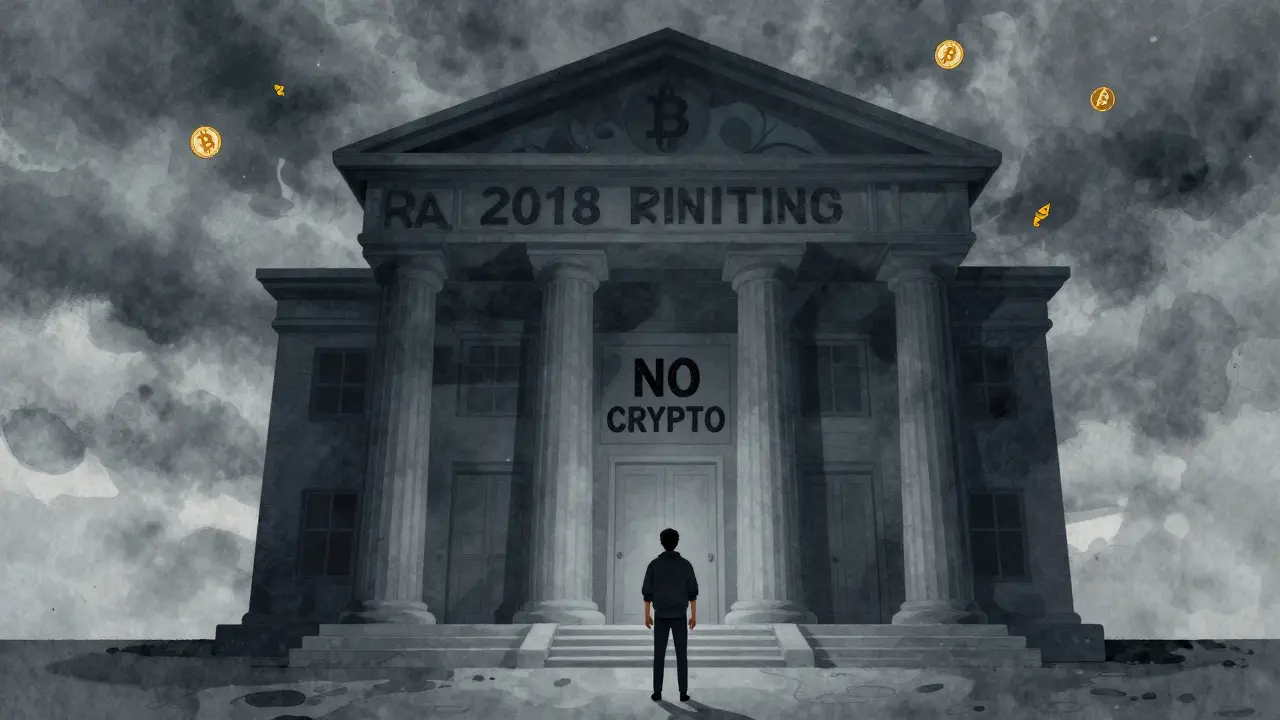
RBI Banking Ban Reversal: What Changed for Crypto in India After the Supreme Court Ruling
The RBI's 2018 crypto banking ban was overturned by India's Supreme Court in 2020, reopening access to banks for crypto exchanges. Here's what changed - and what still hasn't.