RBI Crypto Ban: What It Meant for India and Why It Still Matters
When the Reserve Bank of India crypto, India’s central banking authority that once issued a sweeping ban on cryptocurrency-related banking services. Also known as RBI, it dropped its 2018 circular banning banks from serving crypto businesses, it didn’t just make headlines—it froze the entire ecosystem. Banks shut down crypto exchange accounts overnight. Wallet providers lost access to UPI and NEFT. Traders couldn’t deposit or withdraw rupees. For millions of Indians who had just started buying Bitcoin or exploring DeFi, it felt like the rug had been pulled out. But here’s the thing: the ban wasn’t a law. It was a directive. And directives can be challenged.
The crypto ban India, a regulatory stance that forced financial institutions to cut ties with crypto firms lasted nearly three years, until the Supreme Court overturned it in March 2020. That ruling didn’t legalize crypto—it just said the RBI couldn’t block banks from serving crypto businesses without proof of harm. After that, exchanges reopened. UPI payments returned. But trust didn’t. Many users still remember the panic, the frozen funds, the sudden silence from platforms. Even today, some banks quietly discourage crypto activity. The India cryptocurrency regulation, the evolving legal and policy framework around digital assets in India remains murky. No clear license system. No tax clarity until 2022. And still, no official stance on whether crypto is legal tender, an asset, or a commodity.
What you’ll find in the posts below isn’t a history lesson—it’s the aftermath. Real stories of how people kept trading despite the ban. How exchanges moved offshore. How users learned to use peer-to-peer platforms and stablecoins to bypass restrictions. You’ll see how the RBI’s actions pushed India toward a more decentralized, self-reliant crypto culture—one that didn’t wait for permission to grow. There’s no sugarcoating: the RBI crypto ban caused real damage. But it also forced innovation. And that’s why understanding it matters now more than ever.
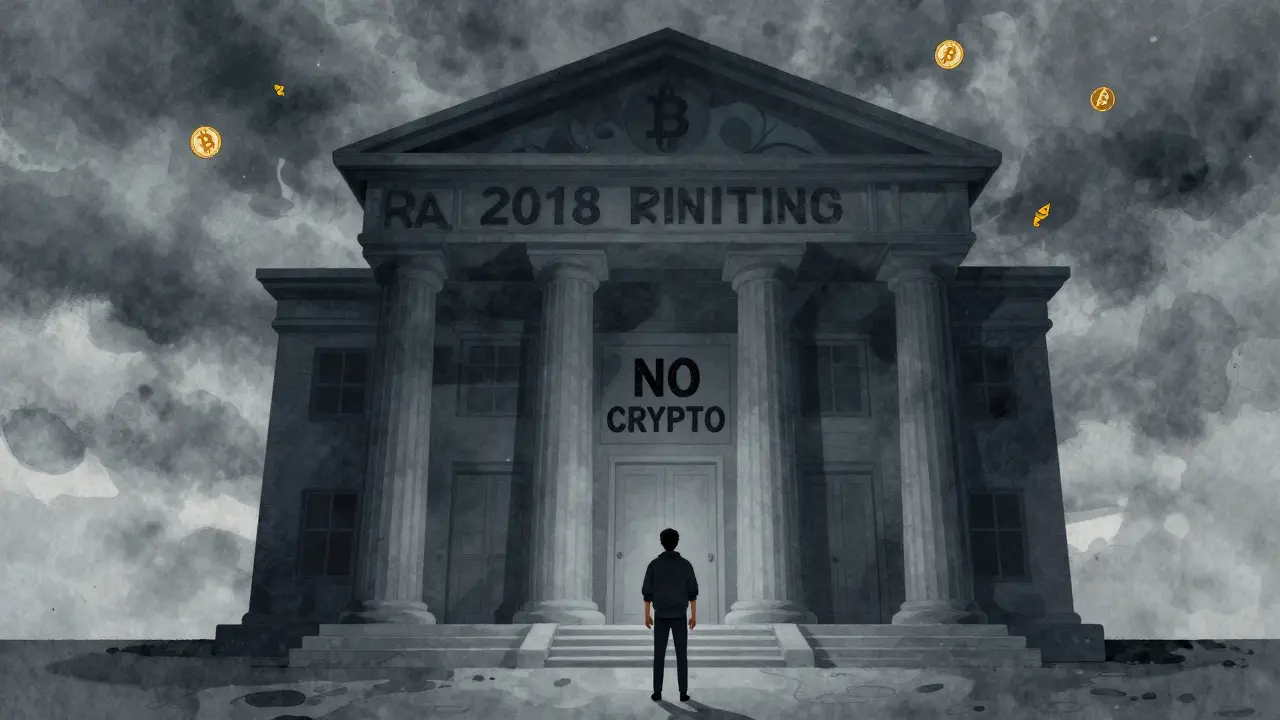
RBI Banking Ban Reversal: What Changed for Crypto in India After the Supreme Court Ruling
The RBI's 2018 crypto banking ban was overturned by India's Supreme Court in 2020, reopening access to banks for crypto exchanges. Here's what changed - and what still hasn't.