One Human One Node: What It Means for Crypto, Decentralization, and Personal Control
When people talk about one human one node, a principle where every individual runs their own independent blockchain node to control their financial identity without intermediaries. Also known as self-sovereign finance, it’s the quiet revolution behind why some people refuse to use exchanges and insist on running their own Bitcoin or Ethereum full nodes. This isn’t just tech jargon—it’s a lifestyle choice. It means you don’t need a bank to verify your transactions, an exchange to hold your coins, or a third party to tell you what’s valid. You verify it yourself.
The idea connects directly to decentralization, the distribution of control across many independent participants instead of a single authority. This is why posts on this page cover everything from blockchain forensics to KYC compliance—because every time a platform demands your ID, it’s pulling you away from one human one node. When you use a centralized exchange like Millionero or Bitbuy, you’re trusting them with your keys. When you run your own node, you’re the only one who holds them. That’s the difference between ownership and access. It also links to crypto sovereignty, the right of an individual to control their own digital assets without interference from governments or corporations. Countries like Russia and Ecuador don’t ban crypto outright—they just make it hard to use through banking blocks. That’s why people in those places turn to self-hosted nodes: to bypass the system entirely. You’ll see this theme in posts about the RBI ban reversal in India, Switzerland’s Crypto Valley rules, and why the SPIN and OKFLY airdrops failed—because they relied on centralized platforms to distribute value, not on peer-to-peer trust.
Running a node doesn’t mean you need to be a coder. You can run a Bitcoin node on a Raspberry Pi for under $50. You don’t need to mine. You don’t need to trade. You just need to download the blockchain and let it sync. Once it does, you’re no longer dependent on a website to tell you your balance. You check it yourself. That’s one human one node in action. And that’s why this collection includes deep dives into blockchain encryption, privacy-preserving identity, and why tokens like SHREW and DOGMI vanished—they were built on trust in others, not on self-reliance.
What you’ll find here aren’t just reviews of exchanges or airdrop breakdowns. You’ll see real-world examples of what happens when people choose convenience over control—and what happens when they don’t. Whether it’s SunSwap on TRON, Omni Exchange on Base, or the dead nodes of NinjaSwap, every post ties back to one question: Who holds the keys? The answer decides if you’re truly in control—or just along for the ride.
What is Humanode (HMND) Crypto Coin? The Biometric Blockchain Explained
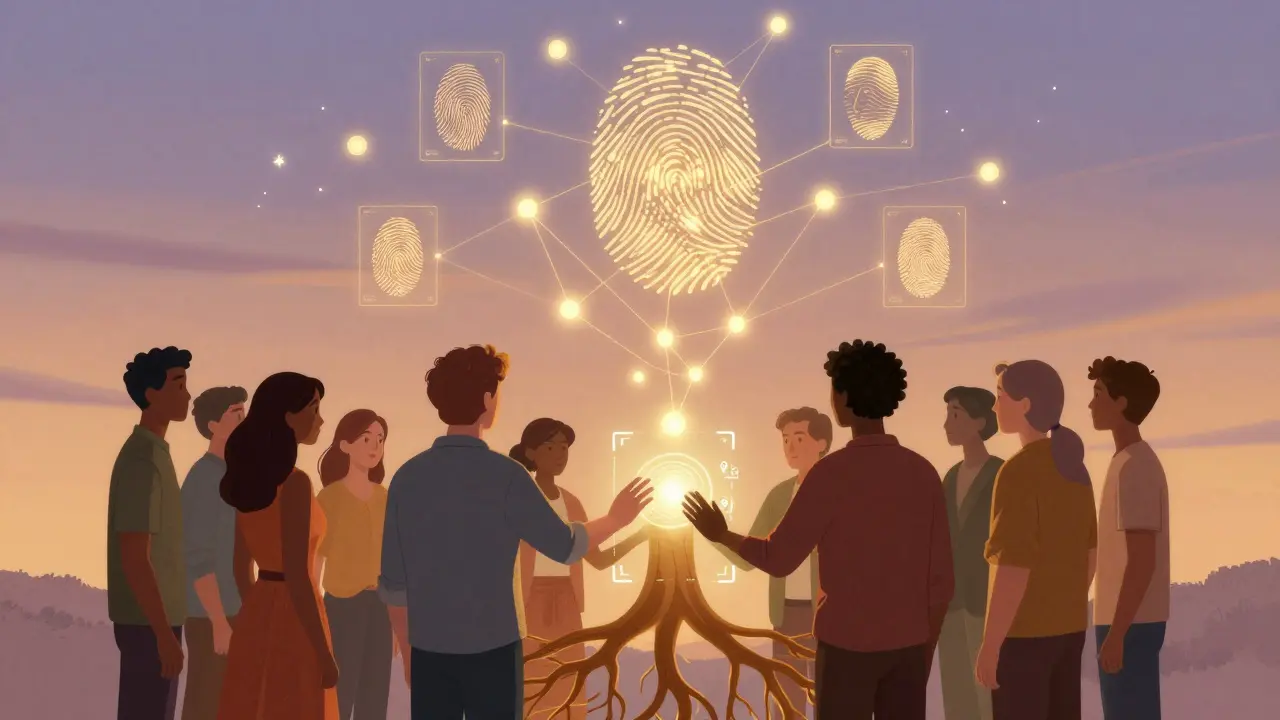
Humanode (HMND) is a biometric blockchain where one real human equals one node and one vote. Unlike other cryptos, it doesn't require token ownership to participate. Instead, it uses facial or fingerprint scans to verify identity, aiming to create fairer digital governance.