Decentralized Elections: How Blockchain Is Changing Digital Voting
When we talk about decentralized elections, a voting system that runs on blockchain without central authorities. Also known as blockchain voting, it aims to let every person have one verified vote—no bots, no fraud, no intermediaries. The idea sounds simple: if you’re a real human, you vote. If you’re not, you can’t. But in practice, most projects fail because they can’t prove identity without spying on you.
That’s where Humanode (HMND), a biometric blockchain that links one real person to one node and one vote. Also known as one human one node, it uses facial or fingerprint scans to confirm identity comes in. Unlike other crypto voting systems that require you to own tokens to vote, Humanode doesn’t care how much you hold. It only cares if you’re real. This isn’t theory—it’s live tech. And it’s the only model that actually solves the sybil attack problem: where one person creates a thousand fake identities to swing a vote.
But not every project that claims to do decentralized elections delivers. Many tokens like VikingsChain (VIKC), a token that promised governance but vanished with zero activity. Also known as VIKC token, it was labeled as a gaming project but had no real governance features or SHREW, a loyalty token that never airdropped and disappeared after an ICO. Also known as SHREW cryptocurrency, it was sold as a community-driven system but had no voting mechanism or team just use the word "governance" to sound legit. Real decentralized elections don’t need tokens to vote—they need verified humans. That’s why projects like Humanode matter. They prove you can build trust without banks, governments, or ID cards.
What you’ll find in this collection are the real stories behind the hype: the projects that tried, the ones that failed, and the few that actually built something that works. You’ll see how blockchain forensics stops fake votes, how privacy-preserving identity verification keeps your data safe while proving you’re real, and why most airdrops claiming to be "voting rights" are just scams. This isn’t about owning tokens. It’s about who gets to decide—and how we make sure it’s fair.
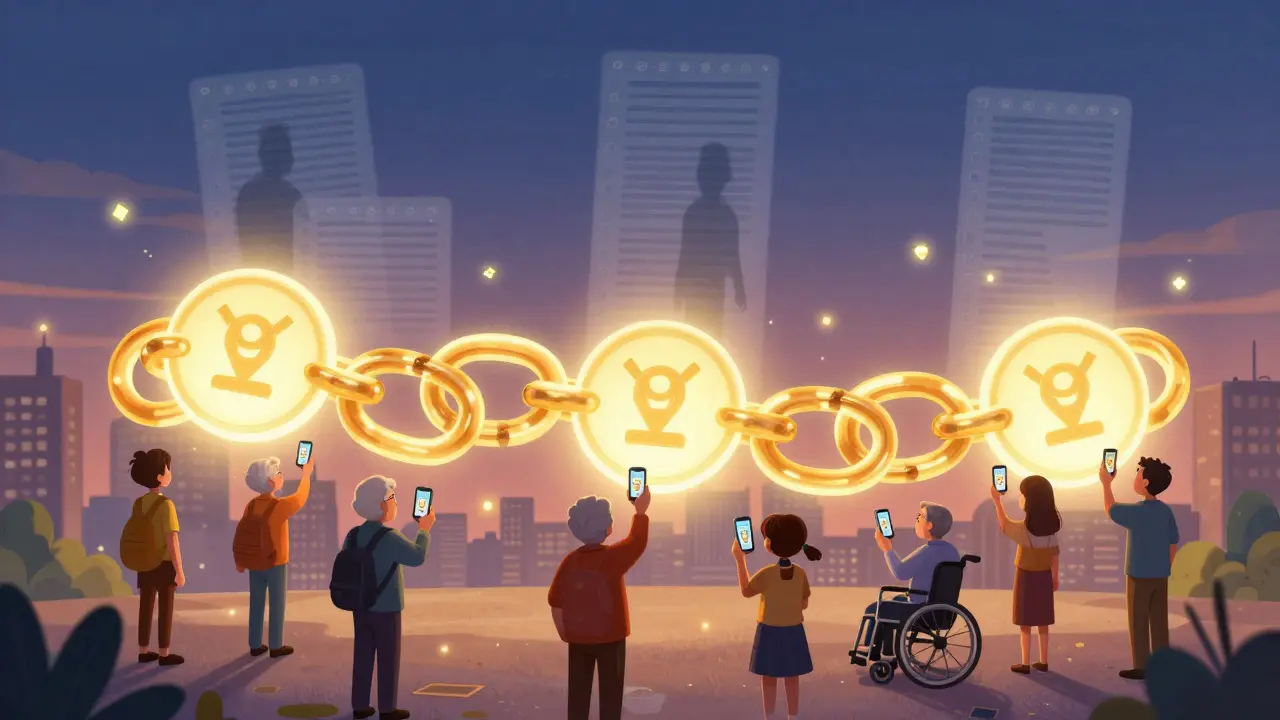
Transparency and Auditability in Blockchain Voting: How It Works and Why It Matters
Blockchain voting uses cryptography and decentralization to make elections transparent and auditable. Every vote is publicly verifiable, tamper-proof, and private. Real pilots in West Virginia and Estonia show it works.