
Are you looking for a reliable place to trade Bitcoin in India? You might have stumbled upon reviews for Koinex, a prominent Indian cryptocurrency exchange that operated from January 2017 to July 2018. But here is the catch: Koinex no longer exists. If you are trying to sign up today, you will hit a dead end. This platform was one of the pioneers in the Indian crypto market, handling nearly 80% of local trading volume at its peak before regulatory forces shut it down. Understanding its history is crucial not just for nostalgia, but to avoid confusing it with similarly named active platforms like CoinEx.
The Rise and Fall of Koinex
Zebpay Technologies Pvt. Ltd. launched Koinex in January 2017. The founders, Tushar Agarwal, Kunal Bhatia, and Sridhar Chinni, saw a massive gap in the Indian market for a user-friendly way to buy digital assets using the Indian Rupee (INR). Within months, Koinex became the go-to platform for retail investors. By early 2018, reports from Economic Times indicated that Koinex processed approximately 80% of India's cryptocurrency volume. That is an incredible number for a platform less than a year old.
The platform kept things simple. It supported only four major cryptocurrencies: Bitcoin (BTC), Ethereum (ETH), Ripple (XRP), and Litecoin (LTC). While this limited selection frustrated some power users who wanted altcoins, it made the interface clean and fast for beginners. The technical infrastructure was solid for its time. TechCrunch noted in January 2018 that Koinex’s custom matching engine could handle 10,000 orders per second with a latency of just 200 milliseconds. For a startup operating in a volatile market, that performance was impressive.
Why Did Koinex Close?
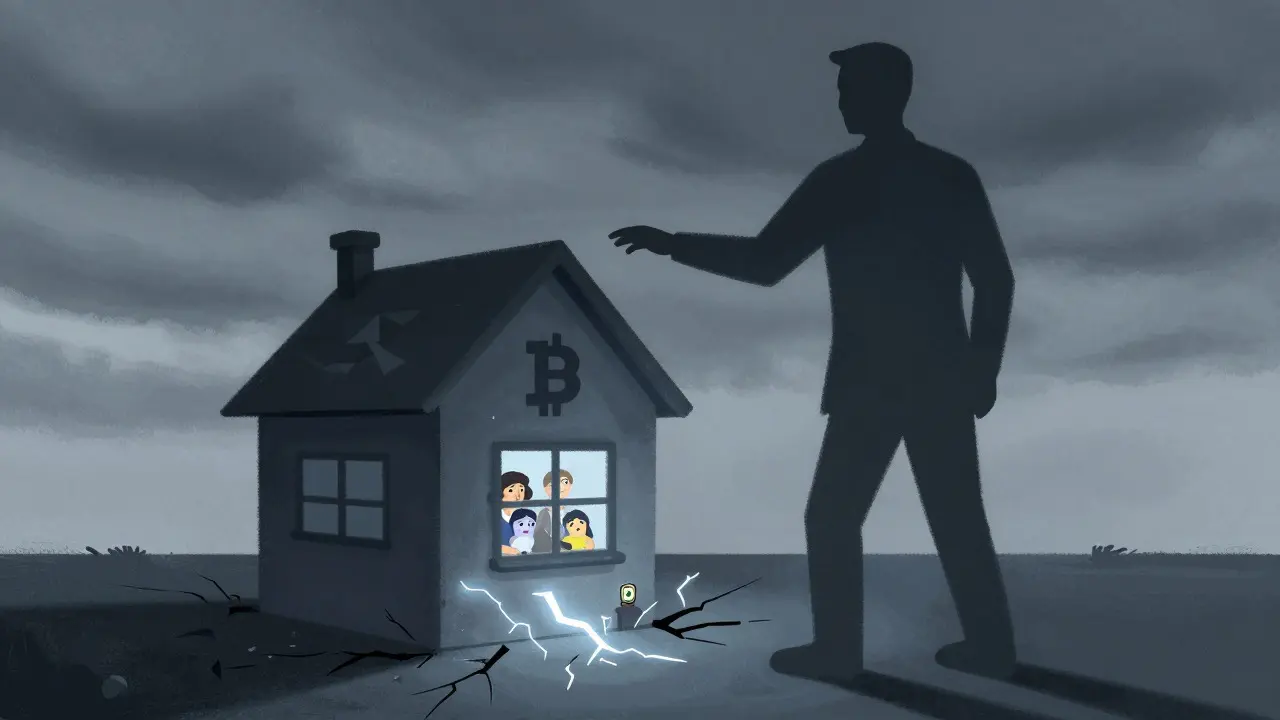
The death knell for Koinex came on April 6, 2018. The Reserve Bank of India (RBI) issued a circular prohibiting all regulated entities (like banks) from providing services to individuals or businesses dealing with cryptocurrencies. This did not make crypto illegal, but it cut off the banking lifeline that exchanges needed to operate. Without bank transfers, INR deposits became a nightmare. Koinex suspended operations in July 2018 as part of a broader industry shutdown that affected competitors like Zebpay and Unocoin.
It took until March 4, 2020, for the Supreme Court of India to overturn the RBI circular, allowing crypto trading to resume legally. By then, Koinex had already pivoted. The team launched UniDAX, a decentralized exchange, in August 2018. However, continued regulatory uncertainty led UniDAX to cease operations by late 2019. Today, the domain koinex.in redirects to a generic information page, confirming that the original exchange is gone for good.
Koinex vs. CoinEx: A Critical Distinction
If you search for "Koinex review" online, you will often find articles that are actually about CoinEx, a Hong Kong-based cryptocurrency exchange established in 2017. The names are similar, but they are completely different companies with different histories. Confusing them can lead to wrong expectations about fees, coin availability, and security standards.
| Feature | Koinex (Defunct) | CoinEx (Active) |
|---|---|---|
| Status | Closed in July 2018 | Operational since 2017 |
| Supported Coins | 4 (BTC, ETH, XRP, LTC) | 800+ cryptocurrencies |
| Trading Fees | 0.5% maker/taker | 0.2% flat fee |
| Daily Volume (Peak) | $15 million USD | $900 million USD (2025 data) |
| Primary Market | India (INR pairs) | Global (USDT/Fiat pairs) |
While Koinex was a niche player focused exclusively on India, CoinEx has grown into a global platform. As of 2025, CoinEx supports over 800 coins and maintains a daily trading volume of around $900 million according to Investing.com. If you are looking for a broad selection of altcoins and lower fees, CoinEx is the active option. Koinex, by contrast, never exceeded 4 coins and charged higher fees, though it offered the convenience of direct INR trading which is harder to find now.
User Experience and Security Measures
During its short life, Koinex received high praise for simplicity. Trustpilot archives show a 4.2/5 rating based on 147 reviews. Users loved the straightforward deposit process. You didn't need to understand complex order books; you could just click "Buy BTC" and pay via UPI or net banking. Customer support was also a highlight, with an average email response time of 3.2 hours. In a market where support tickets often go unanswered for days, that was a significant advantage.
Security was another strong suit. Koinex stored 95% of customer funds in cold storage using multisignature wallets. They implemented two-factor authentication (2FA) and required email/SMS confirmation for withdrawals. Despite the high volatility of the 2017-2018 period, Koinex never suffered a major security breach. However, the main risk wasn't hacking; it was regulation. When the RBI struck, users found their INR balances locked. Withdrawals during the wind-down period took 45 to 90 days, causing frustration among traders who expected quick access to their cash.

Lessons for Modern Traders
What can we learn from Koinex's story? First, regulatory clarity is non-negotiable. Dr. Neha Singh of IIT Delhi noted that even technically sound exchanges cannot survive without clear rules. Second, diversification matters. Koinex relied heavily on Indian banking relationships. When those were cut off, there was no fallback. Global exchanges like Binance survived because they operated across multiple jurisdictions.
For current traders in India, the landscape has changed. Since the Supreme Court's 2020 ruling, the market has recovered. Boston Consulting Group reports that adoption rates in 2025 exceed pre-2018 levels. However, you must choose your platform carefully. Look for exchanges with transparent fee structures, robust KYC processes, and a track record of surviving regulatory shifts. Avoid platforms that promise low fees but lack institutional backing or international presence.
Frequently Asked Questions
Is Koinex still operational in 2026?
No, Koinex ceased operations in July 2018 following the RBI circular. The domain currently redirects to a generic information page, and there are no announced plans for revival.
What is the difference between Koinex and CoinEx?
Koinex was an Indian exchange that closed in 2018, supporting only 4 coins. CoinEx is a global Hong Kong-based exchange established in 2017, currently supporting over 800 cryptocurrencies with lower fees.
Where did Koinex founders go after the shutdown?
Tushar Agarwal joined Coinbase's regulatory affairs team in 2019. Kunal Bhatia founded a blockchain analytics startup called Chainalysis India in 2020. Sridhar Chinni became CTO of CoinDCX in 2019.
Was Koinex safe to use before it closed?
Yes, technically. It used cold storage for 95% of funds and had no major hacks. The primary risk was regulatory, not security-related. Users faced delays in withdrawing INR during the final months of operation.
Can I still buy Bitcoin with INR easily?
Yes, but through other platforms. Exchanges like CoinDCX, WazirX, and international platforms like Binance offer INR pairs or easy fiat on-ramps. The ease of use varies, so check current fee structures and withdrawal limits.

Quang Thai Tran
August 22, 2026 AT 08:50One must observe with a critical eye the catastrophic failure of this entity, which serves as a stark testament to the inherent instability of fiat-backed digital assets. The regulatory capture by the Reserve Bank of India was not an accident but a calculated move to suppress decentralized finance before it could threaten the monetary sovereignty of the state. It is evident that without total control over the ledger, no exchange can truly survive in the long term. The founders' subsequent migration to Western institutions merely confirms their allegiance to the globalist financial order rather than the local populace. We are witnessing the slow death of privacy in every transaction we make, and Koinex was simply the first domino to fall in this grand conspiracy against individual freedom.
Tasha Davis
August 24, 2026 AT 04:15This is so cool! I love how they made it easy for people to buy Bitcoin back then. It feels like such a different time now with all the rules and stuff. But hey, at least we learned something from it, right? Keep going, crypto fam!
Kiran Jayaram
August 24, 2026 AT 07:13stop crying about it you losers. rbi did what needed to be done because these scammers were eating our money. no one cares about koinex anymore. just use coin dcx or binance and shut up. your complaints are annoying and outdated. get a life instead of reading old news articles. india moved on years ago. stop being a tourist in your own country's history.
Mike Baca
August 25, 2026 AT 23:51honestly i think the whole thing was a mess from the start. like who really thought they could just ignore the banks? its wild how fast things changed. i wonder if any of them actually made it out alive financially. probably not. its always the same story in crypto. rise fast fall harder. kinda tragic but also predictable if you pay attention to the news. the 200ms latency thing sounds impressive but what good is speed if you cant withdraw your cash? lol. anyway nice writeup though. thanks for clearing up the confusion between koinex and coindex. i always get those mixed up too. its crazy how similar the names are. makes me nervous thinking about security breaches when i see those typos. but yeah lesson learned. regulation is key. even if it sucks sometimes. better safe than sorry i guess. at least the supreme court fixed it later. progress of sorts. weird world we live in. anyway off to check my portfolio. hope nothing else shuts down tonight. fingers crossed. 🤞
Uday N M
August 26, 2026 AT 02:16The RBI acted correctly. Foreign capital was draining reserves. Local platforms failed due to lack of infrastructure. Do not blame regulators for market discipline. Indian users should focus on compliant domestic exchanges now. History is irrelevant to current strategy. Move forward.
Kiran Jayaram
August 27, 2026 AT 22:06yeah exactly. uday is right. stop looking back. its embarrassing how many indians still talk about 2018 like it happened yesterday. wake up. the market is here and now. buy low sell high. simple. why do you guys complicate it with nostalgia? its stupid. just trade. stop reading reddit threads about dead companies. its a waste of time. go do something productive. maybe learn some coding. or invest in real assets. not this garbage. whatever. point is. move on. india is growing. crypto is part of it. accept it. stop whining. enough said. bye.
Calliope Clio
August 28, 2026 AT 09:47Oh, how quaint. 🙄 One assumes the author has never actually traded on a platform that didn't instantly rug-pull its users into oblivion. The notion that 'simplicity' was a selling point is, frankly, insulting to anyone with a shred of financial literacy. They offered four coins. FOUR. In 2017. When the entire world was discovering that altcoins were the actual alpha. To call that a 'clean interface' is to confuse mediocrity with elegance. And let us not forget the 'security' measures; locking funds for 90 days is hardly a security feature, it is a hostage situation dressed in a lab coat. 📉 The comparison to CoinEx is almost comical in its disparity, like comparing a bicycle to a Formula 1 car. One is a charming relic, the other is a machine built for the modern age. Truly, a masterpiece of historical fiction disguised as a review. Bravo. 👏
Jillian Groskreutz
August 29, 2026 AT 08:38You clearly haven't read the fine print, have you?! The article explicitly states that the platform was defunct since July 2018! It is not a 'quaint' relic, it is a corpse! Calling it a 'hostage situation' is dramatic nonsense; it was standard wind-down procedure for a non-compliant entity! You are projecting your own biases onto a historical fact! The comparison to CoinEx is valid precisely because it highlights the chasm between a niche, single-market failure and a global, multi-asset success! Do not insult the intelligence of the readership with your snide remarks! Read more! Study less! 📚🔥
Calliope Clio
August 29, 2026 AT 14:31Oh, wonderful. Another person who mistakes shouting for argumentation. 🙄 You say it is a 'corpse,' yet you cannot explain why a platform handling 80% of volume would collapse so completely without a single hack. Is it not perhaps because the 'standard wind-down procedure' you speak of was anything but standard? You call my observations 'dramatic nonsense,' yet you fail to address the 90-day withdrawal delay, which is objectively a nightmare for liquidity. Your 'chasm' argument ignores the fact that CoinEx had global diversification, while Koinex was a single point of failure in a hostile regulatory environment. That is not a chasm, it is a difference in fundamental risk management. But sure, keep shouting. It certainly adds a certain... flavor to the discussion. 🍷
Carmene Jackson
August 31, 2026 AT 10:36I just feel so bad for the people who lost their money during that shutdown. It must have been so stressful waiting for weeks to get your cash out. I remember feeling anxious just reading about it. I hope everyone got paid in the end though. It’s just sad how much trust can be broken by a few bad rules. We need to be kinder to each other when markets crash, don’t you think?
Jennifer Ulmer
September 1, 2026 AT 06:19It is interesting to consider how the legal landscape shifted so rapidly. The transition from prohibition to acceptance took two years, which is a significant period in tech cycles. Many startups likely failed during that gap. The founders moving to larger firms suggests a consolidation of talent. This pattern is common in emerging markets where regulatory clarity lags behind innovation. The lesson is not just about crypto, but about the resilience required to operate in ambiguous legal spaces. Diversification across jurisdictions remains the primary hedge against local policy shocks. The data supports this view. The recovery post-2020 was swift, indicating latent demand was preserved despite the hiatus. This underscores the importance of user retention strategies during downturns. The platform's simplicity was a double-edged sword. It attracted beginners but limited advanced trading capabilities. This trade-off is central to product design in fintech. Understanding these dynamics helps in evaluating current competitors. The historical context provides a baseline for measuring future growth. It is a useful case study for students of market evolution. The narrative arc is clear: rapid rise, regulatory shock, pivot, and eventual absorption. This cycle may repeat in other regions. Observing these patterns allows for better prediction of market behavior. The role of central banks in shaping digital asset adoption cannot be overstated. Their policies directly impact liquidity and access. Therefore, monitoring regulatory signals is essential for investors. The past informs the present, even if the specific players change. The underlying mechanisms remain consistent. This is the core insight from this episode. It transcends the specific company involved. It speaks to broader economic forces at play. These forces will continue to shape the industry. We must remain vigilant and adaptable. The future will bring new challenges. But the lessons from the past remain relevant. They guide our strategic decisions today. This is the value of historical analysis in finance. It provides perspective amidst volatility. We should never forget the fragility of early-stage ecosystems. They require careful nurturing and protection. Otherwise, they succumb to external pressures. This is a universal truth in business. It applies to any sector undergoing disruption. Crypto is no exception. It is merely the latest frontier. The principles are timeless. We apply them wisely or face consequences. This is the takeaway from Koinex's story. It is a cautionary tale. A reminder of the stakes involved. Let us proceed with caution and wisdom. That is the path forward. Always.
Stephanie Millar
September 1, 2026 AT 19:36From a British perspective, the Indian regulatory approach seems quite robust, albeit harsh! The RBI's intervention, while disruptive, ensured that only well-capitalised entities survived, which is a sound principle in banking. It is fascinating to compare this with the UK's FCA stance, which has been more cautious but perhaps less decisive. The distinction between Koinex and CoinEx is crucial; naming conventions in the global south often lead to confusion for international observers. We must appreciate the cultural nuance in how local businesses navigate these complex legal landscapes. The shift to UniDAX shows entrepreneurial resilience, a trait highly valued in our startup ecosystem here in London. However, the ultimate closure suggests that decentralisation alone does not guarantee survival without a clear regulatory framework. The 2020 Supreme Court ruling was a pivotal moment, restoring confidence and allowing the market to mature. Today, the Indian crypto scene is vibrant, with platforms offering deep liquidity and competitive fees. It is a testament to the adaptability of the local workforce and the appetite for digital assets among the youth. We should look at this not as a failure, but as a necessary phase of development. Every major financial hub undergoes such trials. The outcome is stronger institutions and more informed consumers. This is the positive spin on a turbulent history. It serves as a great example for other emerging markets. Learning from others' mistakes is key to progress. So, while Koinex is gone, its legacy lives on in the improved standards of its successors. A very instructive chapter in financial history indeed.
Patrick Pat
September 2, 2026 AT 16:55So, the big takeaway is that if you don't have a plan B when the government says 'no', you're toast. Pretty obvious, right? Yet half the comment section is acting like this was a surprise. I mean, come on. If you're building a bank-dependent business in a country where the central bank can pull the plug overnight, you're basically running a lemonade stand in a hurricane. The founders jumping ship to Coinbase and Chainalysis is the real story here, honestly. They saw the writing on the wall and bailed before the train hit the station. Smart move, I suppose, if you want to keep your hair. But it does highlight how fragile these 'pioneers' really are. They weren't pioneers, they were just early adopters who got caught in the crossfire. Anyway, nice try. At least we know not to confuse Koinex with CoinEx. That's a win. Or is it? Who knows. Probably both. Life is confusing. Anyway, back to my coffee. ☕
Claudio Perrone
September 3, 2026 AT 16:11ok so basically the whole thing was a massive psyop right? like who really controls the money? the rbi? or the shadow gov? i think koinex was shut down because they were getting too close to the truth about the blockchain. think about it. they had 80% of the volume. that is power. pure power. and the elites hate power. they want us to stay in the dark. using fiat currency. controlled by banks. it is all a game. a huge game. and we are all pawns. i felt this in my bones when i read the article. the energy was off. the dates were suspicious. january 2017 to july 2018. six months. that is short. too short. they wanted to test the waters. and when the water got cold, they pulled out. classic. very classic. i am sure the founders knew too. they went to coinbase. a american company. of course. they sold out. traitors. but we will remember. we will always remember. the truth is out there. somewhere. hidden in the code. keep digging. 🕵️♂️
Nikki keller
September 4, 2026 AT 13:10While the technical details are intriguing, the human element often gets overlooked in these retrospectives. The frustration of users waiting 90 days for withdrawals is a poignant reminder of the tangible costs of regulatory ambiguity. It transforms abstract policy debates into personal financial crises. This emotional toll is rarely quantified in standard risk assessments. Yet, it is a critical factor in consumer trust. Building trust takes years, but losing it can happen in a single circular. The response time of 3.2 hours for support was a silver lining, admittedly. It showed that, until the very end, the team cared about the customer experience. This dedication is rare in the fast-paced world of crypto. It highlights the difference between a business and a brand. A brand is built on relationships, not just transactions. The pivot to UniDAX was a logical step, given the trends. Decentralization was the next frontier, after all. However, execution under pressure is difficult. The cessation of UniDAX by late 2019 suggests that the challenges persisted. It wasn't just about technology; it was about sustainability. The founders' subsequent careers reflect a pragmatic approach. They joined established firms, seeking stability. This is a common trajectory for entrepreneurs in volatile markets. It doesn't diminish their achievements, but contextualizes them. The lesson for modern traders is clear: due diligence is paramount. Look beyond the features. Look at the legal foundation. Look at the exit strategy. These are the pillars of a resilient platform. The story of Koinex is a microcosm of the broader industry. It illustrates the tension between innovation and regulation. A tension that will define the next decade. We must navigate it with care and foresight. The future of finance depends on it. Let us learn from the past, but not be bound by it. Progress requires both memory and vision. Together, they form the compass for our journey. This is the enduring legacy of Koinex. Not the platform itself, but the wisdom gained from its fall. May we apply it wisely. In all our endeavors. Always.
miranda gamboa
September 5, 2026 AT 04:16Let's break down the operational metrics here. The 10,000 orders per second matching engine was a significant technical achievement for 2017. Latency at 200ms is competitive with tier-one global venues. This indicates a strong engineering foundation. However, technical superiority is insufficient without regulatory moats. The INR dependency created a single point of failure. This is a classic concentration risk. Diversifying payment rails is essential for resilience. The 0.5% fee structure was higher than current market standards. This likely contributed to user churn as lower-fee competitors emerged. The 4-coin limitation restricted arbitrage opportunities. This alienated sophisticated traders. The target demographic was strictly retail. This simplifies the UX but limits revenue scalability. The Trustpilot score of 4.2/5 is respectable. It reflects high satisfaction among the core user base. Customer support responsiveness was a key differentiator. In a fragmented market, service quality drives retention. The cold storage ratio of 95% is industry best practice. It mitigates counterparty risk effectively. The absence of hacks validates the security architecture. The primary threat vector was external, not internal. Regulatory shockwaves are systemic risks. They cannot be hedged via technical means alone. Jurisdictional diversification is the only true hedge. The 2020 Supreme Court ruling provided the necessary legal clarity. This allowed for market re-entry and expansion. Current platforms benefit from this stabilized environment. They can focus on product innovation rather than survival. The lesson is clear: build for scale, but prepare for the unexpected. Regulatory landscapes are dynamic. Adaptability is the key competency. Continuous monitoring of policy shifts is mandatory. This ensures proactive rather than reactive management. The Koinex case is a textbook example of this principle. It offers valuable insights for current operators. Let us apply these lessons rigorously. Success depends on it. Stay agile. Stay informed. Stay ahead. That is the mantra. For all serious practitioners. In this space. No exceptions. Ever.
Dianne Ritter
September 6, 2026 AT 01:47I think it's important to remember that not every company succeeds, and that's okay. Sometimes the timing just isn't right. It's a tough industry, full of ups and downs. But seeing how the market recovered afterwards is really encouraging. It shows that people are still interested in crypto, just in a safer way now. Maybe we'll see more stable platforms in the future. It's a good thing we have more options today. Thanks for sharing this history. It helps us understand where we've been. And hopefully, where we're going. Peace and love to all traders out there. 🌱